How to Choose the Best Electric Scooters for Your Business?
Choosing Electric Scooters for a business is less about chasing the newest model and more about matching equipment to daily work. A hotel may need quiet, easy-to-clean scooters for guest transport, while a delivery team may value range, cargo capacity, and quick battery swaps. Small details matter: curb ramps, wet pavement, elevator doors, and places to charge overnight. A scooter that looks efficient on paper can feel awkward beside a narrow storeroom shelf. That happens.
A sound comparison starts with routes, riders, and operating hours, then checks real-world range, payload limits, braking, tire type, service access, and warranty terms. Ask suppliers for clear specifications and check whether their claims suit your terrain and climate. Estimate total ownership cost, including charging, replacement parts, downtime, staff training, and secure storage—not just the purchase price. Pilot a few units during ordinary shifts; record distance, charging time, comfort, and faults. Numbers help. Rider feedback matters too, though it can be uneven. There is no universal winner, and even a careful pilot may miss seasonal changes or maintenance surprises. This guide explores how to compare options, assess safety and support, and choose a fleet that fits your workflow and budget. The best choice is practical, measurable, and worth reviewing as the business changes.
Define Your Business Needs and Intended Scooter Use
Before comparing electric scooters, list the tasks your business expects them to handle each day. A delivery team may need scooters for frequent stops, curbside parking, and carrying insulated bags. A facilities crew might travel longer distances across a large site with tools onboard. These jobs place different demands on range, payload capacity, tires, and storage. Ask employees who will ride them; managers can miss practical details, such as where a helmet or lock will be kept. Small details matter.
Map the routes, too. Note hills, rough pavement, indoor transitions, and the distance between charging points. Then estimate daily mileage using actual work patterns, not an ideal schedule. Published range figures can vary with rider weight, speed, temperature, and terrain, so allow a sensible buffer and check the manufacturer’s testing conditions. Consider who will charge and inspect each scooter, and where it can be stored securely. If shifts overlap, charging access may become a bottleneck. It is easy to assume everyone will follow a perfect routine; in practice, someone forgets. A short pilot with a few riders can reveal awkward controls, uncomfortable standing time, or routes that look simple on a map but feel rough in use.
How to Choose the Best Electric Scooters for Your Business?
Define Your Business Needs and Intended Scooter Use
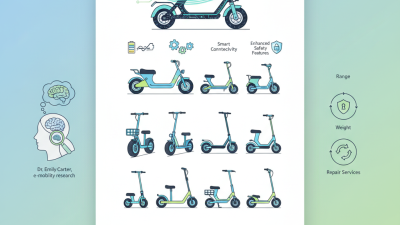
Compare the priorities of each use case before choosing a scooter. Ratings are illustrative planning scores, not measured market data: 1 means low priority and 5 means critical. Consider route distance, cargo needs, ease of carrying or storage, and expected daily use.
Compare Scooter Types, Range, Payload, and Performance
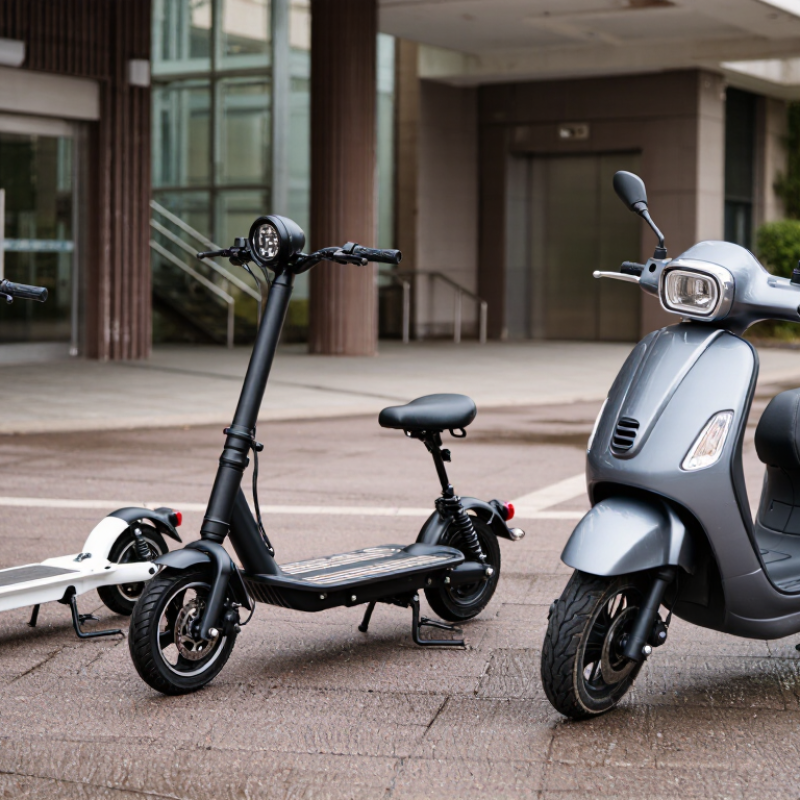
Start with the route, not the catalogue. Compact stand-up scooters suit short, frequent trips and easy storage. Seated models may feel steadier on longer runs, while utility designs can carry larger loads. Match the scooter type to the work: a courier crossing uneven pavement needs different handling from staff moving between nearby buildings. Small wheels can struggle over cracked surfaces.
Compare usable range, payload, and performance under real operating conditions. A published range is not a daily guarantee; hills, cold weather, rider weight, and frequent stops can reduce it. Check payload against the rider plus bags or tools, and test braking and acceleration on the actual route. NACTO’s 2023 Shared Micromobility Report recorded 133 million shared micromobility trips in the United States, across bikes and scooters. That scale shows strong trip demand, but it does not tell you which vehicle fits your business.
Tips: Run a loaded test route before buying. Record distance, battery use, and stopping feel. Leave a practical range buffer. One limitation: even careful testing may miss seasonal changes, so review performance after deployment.
How to Choose the Best Electric Scooters for Your Business? — Compare Scooter Types, Range, Payload, and Performance
| Scooter Type |
Typical Business Uses |
Typical Real-World Range |
Typical Maximum Total Load |
Typical Top Speed |
Best Fit |
Key Considerations |
| Light-Duty Stand-Up |
Short-distance site travel, campuses, large indoor facilities, and last-mile staff trips |
15–30 km (9–19 mi) per charge |
100–120 kg (220–265 lb) |
20–25 km/h (12–16 mph) |
Flat routes, light-duty use, and easy storage |
Compact and easy to maneuver, but smaller tires and limited load capacity may be unsuitable for rough surfaces or extended shifts. |
| Long-Range Stand-Up |
Facilities management, security patrols, warehouse campuses, and multi-stop staff travel |
25–50 km (16–31 mi) per charge |
100–130 kg (220–287 lb) |
20–32 km/h (12–20 mph) |
Longer routes where a standing riding position is acceptable |
Battery size, rider weight, hills, temperature, and frequent stops can substantially reduce range. Check charging access and shift requirements. |
| Seated Commuter |
Staff commuting, property inspections, and regular trips across large sites |
25–60 km (16–37 mi) per charge |
120–180 kg (265–397 lb) |
25–45 km/h (16–28 mph) |
Longer rides where comfort and a seated position are priorities |
Confirm that the vehicle’s speed and road-use classification are permitted locally. Seat comfort, braking, lighting, and tire type matter for daily use. |
| Cargo or Delivery Scooter |
Local deliveries, service calls, and transporting tools or small parcels |
20–50 km (12–31 mi) per charge |
150–250 kg (331–551 lb) |
20–32 km/h (12–20 mph) |
Businesses carrying regular loads over short or moderate routes |
Check the rated load, cargo-box capacity, load distribution, and stability while braking or cornering. Added cargo weight can reduce range. |
| Utility or Heavy-Duty Scooter |
Industrial sites, maintenance teams, resorts, and other work environments with frequent equipment transport |
15–40 km (9–25 mi) per charge |
150–300 kg (331–661 lb) |
15–30 km/h (9–19 mph) |
Higher-load applications and controlled private sites |
Prioritize brakes, tires, suspension, frame rating, and service support. Verify that the vehicle is suitable for the site’s slopes and surface conditions. |
How to read these figures: Values are representative planning ranges, not guaranteed specifications or standardized classes. Maximum total load includes the rider, cargo, and accessories. Actual range and speed depend on the specific vehicle, battery condition, load, terrain, temperature, riding style, and local regulations. Confirm the manufacturer’s rated limits and test the scooter on your intended route before purchasing.
Calculate Ownership Costs and Maintenance Requirements
Choose scooters by cost per productive ride, not by sticker price. Build a three-year ownership model for each vehicle. Include purchase or financing costs, insurance, charging, routine parts, labor, battery replacement, downtime, and expected resale value. Then divide the net cost by realistic annual rides or working days. A low purchase price can lose its appeal when a scooter spends mornings waiting for repairs.
Maintenance assumptions should come from your own routes and service logs. Record tire and brake replacements, repair hours, battery performance, and days out of service. NACTO’s Shared Micromobility in the U.S. 2023 report counted 133 million trips that year across shared bikes and scooters. That scale highlights why utilization matters, but it does not predict your fleet’s repair bill. Test a small group first, then update your estimates. A spreadsheet can still look neat and be wrong.
Tips: Track costs by vehicle, not just by fleet. Photograph tire wear and brake condition during weekly checks. Ask suppliers for written battery and parts pricing. Keep a repair reserve; one rough curb can change the month’s numbers.
Check Safety Features, Certifications, and Local Regulations
For a business fleet, safety checks should begin before a scooter reaches the sidewalk. The U.S. Consumer Product Safety Commission’s 2017–2022 micromobility report estimated 360,800 emergency-department-treated injuries involving these products. That figure covers several device types, not scooters alone, but it underscores the need for careful procurement. Ask for documentation showing that the complete electrical system was evaluated to UL 2272, and verify the certification with the relevant testing organization. A seller’s claim is not the same as a verifiable record.
Inspect the details, too. Check brakes, lights, reflectors, tires, folding locks, and throttle response on each model. Ask how batteries and chargers are tested, stored, and replaced. Keep inspection logs and train staff to report damage, even when a scooter still appears usable. Small checks matter. No checklist catches everything; real operating conditions can expose problems that a showroom test misses.
Local rules can shape which scooters are practical for your business. Confirm requirements with the city or transport authority where the fleet will operate. Rules may cover speed limits, sidewalk use, helmet policies, parking, permits, and insurance. Requirements can differ between neighboring cities. Then check the paperwork. Record each scooter’s serial number, certification documents, maintenance history, and any local approvals. Recheck regulations when expanding into a new service area, rather than assuming the original approval applies everywhere.
Evaluate Suppliers and Select a Fleet for Your Business
A reliable fleet starts with supplier evidence, not a glossy range estimate. Ask for written battery, motor, and frame warranties, plus local repair response times. Check whether common parts, such as brake pads and tires, can be stocked nearby. Request maintenance logs from comparable commercial fleets, and clarify who handles diagnostics and downtime. Small print matters.
NACTO’s 2023 Shared Micromobility Report counted 133 million shared micromobility trips in the United States and Canada. That signals substantial use, but it cannot predict demand at your site. Map actual routes, slopes, pavement, storage, and charging access. Then run a short pilot during busy and quiet periods. Test the route. Record completed trips, charging time, faults, and rider feedback; a neat spreadsheet can still miss a cracked curb or awkward loading bay.
Select models around those observations. For delivery work, verify payload capacity and braking performance under load; for employee travel, prioritize easy handling and secure parking. Ask suppliers for independent safety documentation, battery specifications, spare-part lead times, and clear service-level commitments. Compare total operating cost, not purchase price alone. Start with a modest fleet and expand when usage supports it. That judgment may need revisiting after weather, shifts, or demand change.