Best Electric Scooter Bike for Eco-Friendly Commuting?
As urban areas grapple with pollution and congestion, the demand for sustainable commuting solutions rises. The "Electric Scooter Bike" has emerged as a popular choice for eco-conscious travelers. Renowned industry expert Dr. Emily Carter, a professor of Urban Mobility at GreenTech University, emphasizes the importance of such alternatives. She states, "Electric scooter bikes can significantly reduce our carbon footprint."
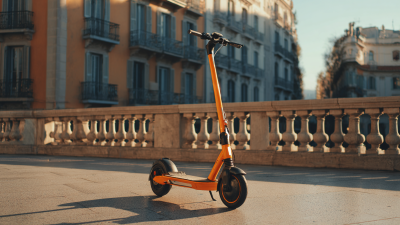
Electric scooter bikes offer an efficient and enjoyable way to navigate city streets. Their compact design makes them ideal for short commutes. However, they are not without drawbacks. Battery life can vary, and charging infrastructure may be lacking in some areas. Riders often express frustration over these limitations.
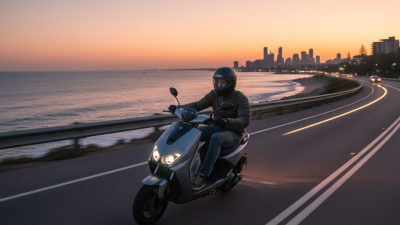
Moreover, safety remains a significant concern. Many riders face challenges in busy traffic environments. Proper safety gear is essential, and riders should be aware of local regulations. People must reflect on their choices and the impact of electric scooter bikes on their lifestyles. A well-informed decision can lead to a smoother, greener commute.
Understanding the Benefits of Electric Scooters for Commuting
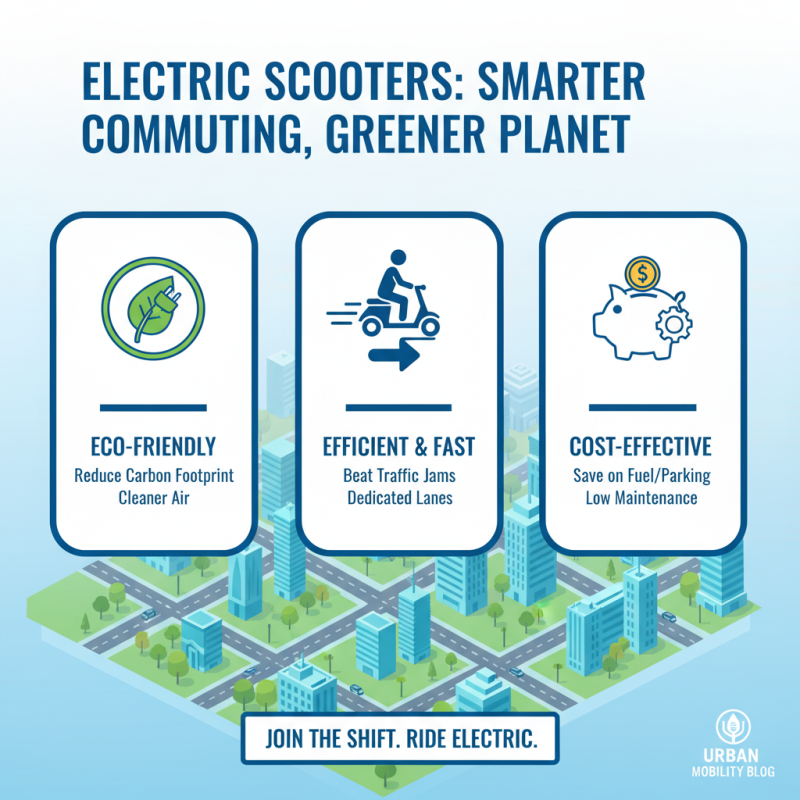
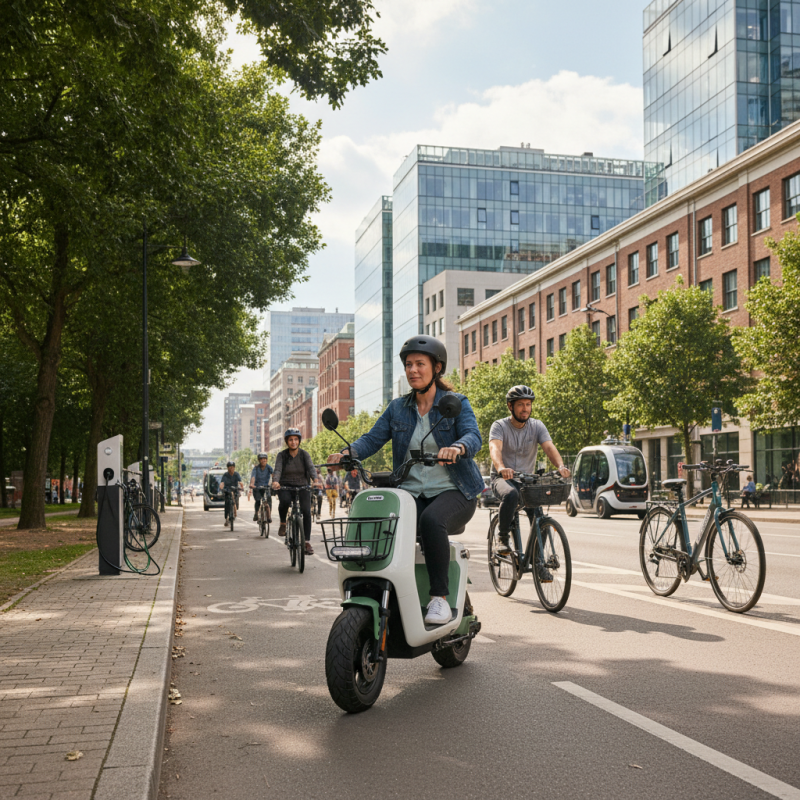
Electric scooters have gained popularity as a sustainable commuting option. They offer a cleaner alternative to traditional vehicles. Using an electric scooter can significantly reduce your carbon footprint. Many cities are now integrating scooter lanes to promote this eco-friendly transport. This shift not only eases traffic congestion but also enhances air quality.
Beyond environmental benefits, electric scooters provide convenience. They are portable and can be easily stored. Riders can navigate through crowded streets with ease. However, charging infrastructure is still limited in some areas. This can be frustrating for users who rely on them for daily transportation.
Additionally, while electric scooters are generally safe, accidents can happen. Riders should always wear helmets and follow local regulations. Not everyone feels comfortable riding in traffic. This reality leads to discussions about the need for dedicated paths and safety measures. Electric scooters undoubtedly present new commuting possibilities, but challenges remain.
Key Features to Consider When Choosing an Electric Scooter
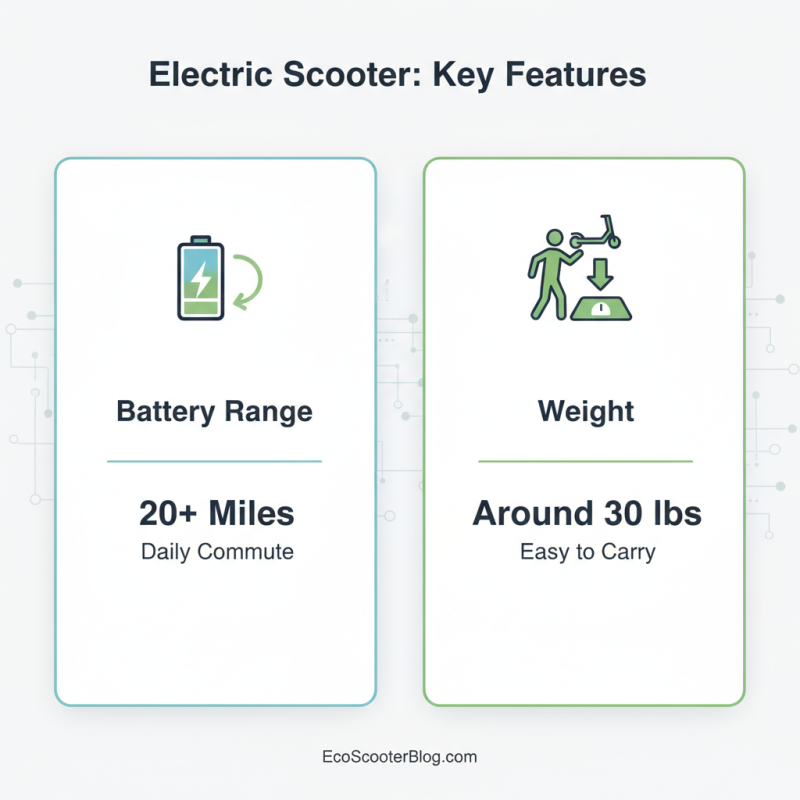
When selecting an electric scooter for eco-friendly commuting, several key features deserve careful consideration. Battery range is crucial. Look for models with a range of at least 20 miles. This distance allows for most daily commutes without the need for frequent charging. Weight is another factor; a lighter scooter is easier to maneuver and carry. A weight of around 30 pounds is manageable for most users.
Motor power impacts your riding experience as well. A 250w motor is suitable for flat terrains, while a 500w motor is better for hills. Stability comes from larger wheels and a solid frame. Opt for at least 8-inch wheels for a smoother ride. Remember, a stable ride enhances safety, especially on busy streets.
Tips: Compare different models in your area. Test rides can offer valuable insights. Pay attention to comfort features, like a padded seat. Reflect on your daily needs. Will you always travel alone? What about storage space? Each commute can be a bit different, so adapt your choice accordingly.
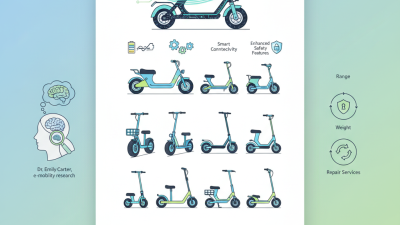
Top Models of Electric Scooters for Eco-Friendly Commuting
Electric scooters have become popular for eco-friendly commuting. Many people choose them due to their compact design and low energy consumption. These vehicles produce minimal emissions compared to cars. They use electric power, which can come from renewable sources. This aspect appeals to those wanting to reduce their carbon footprint.
When selecting the best electric scooter, consider battery life and charging time. Models with longer ranges allow for extended use without frequent recharging. Look for scooters that offer energy-efficient motors. Safety features are crucial too. Good brakes and sturdy builds enhance overall reliability. However, some scooters can be heavy or unwieldy, making them less portable.
Riders should also reflect on their use. Think about local terrain and commuting distance. Some models may excel on flat surfaces but struggle on hills. Weight capacity varies, which impacts usability. It’s wise to test different models to find the right fit. Exploring various options helps identify which scooter aligns with personal commuting needs.
Comparing Electric Scooters and Traditional Bikes for Urban Use
Urban commuting has seen a rise in electric scooters and traditional bikes. According to recent reports, electric scooters can reduce commuting time by up to 30% compared to traditional bikes. They often reach speeds of 15-20 miles per hour, making them faster options for city travel. However, electric scooters require charging, which can take 4-8 hours, presenting a challenge for daily use.
In terms of environmental impact, electric scooters emit less carbon during operation compared to traditional bikes, which are entirely zero-emission. Yet, the production phase of electric scooters is often overlooked. Manufacturing requires significant resources, leading to a larger carbon footprint. Surveys indicate that 60% of urban commuters prefer physical activity like biking, valuing fitness alongside commuting efficiency.
User experiences with both methods reveal nuances. Electric scooters provide convenience but risk battery depletion unexpectedly. On the other hand, traditional bikes promote physical fitness and connection to the environment, allowing riders to engage more deeply with their surroundings. Despite their advantages, both options present limitations that need addressing for a truly eco-friendly commuting solution.
Tips for Maintaining Your Electric Scooter for Long-Term Use
Maintaining your electric scooter is crucial for its longevity and performance. Regular care can save you money on repairs. Here are some tips to keep it running smoothly.
Check your tires regularly. A well-inflated tire improves safety and efficiency. Inspect the brakes too. Squeaky or unresponsive brakes indicate a need for adjustment. Don’t overlook the battery as well. Charge it fully and avoid deep discharges.
Cleaning your scooter is essential. Dirt can wear down components over time. A simple wipe-down can prevent corrosion. Pay attention to the electrical connections. Sometimes, loose wires cause performance issues.
Lastly, store your scooter properly. Avoid direct sunlight and extreme temperatures. A good storage place protects the battery and body. Consider performing regular check-ups based on usage. Over time, you might notice small issues. Address them before they escalate.