How to Choose the Best Electric Scooter for Your Needs?
Choosing the right electric scooter is crucial for your commuting needs and lifestyle. According to David Johnson, a renowned expert in the electric scooter industry, “Selecting the perfect electric scooter can transform your daily experience.” With a myriad of options available, making the right choice can be overwhelming.
Electric scooters vary in speed, range, and features. Each rider has unique needs, whether for casual travel or daily commuting. Factors like weight capacity, battery life, and portability matter immensely. Some models may look appealing but fall short in performance. It is essential to assess what features align with your personal requirements.
Moreover, many riders overlook safety features. Scooters should come with reliable braking systems and good lighting for visibility. Skipping these details could lead to unpleasant experiences or accidents. It is vital to combine aesthetics with functionality when selecting your electric scooter. This balance will ensure a satisfying ride now and in the future.
Understanding Your Riding Needs and Preferences
When choosing an electric scooter, understanding your riding needs and preferences is crucial. Consider where you plan to ride. Is it smooth pavement or rugged terrain? Different scooters handle these surfaces differently. If you're commuting to work, a lightweight model might be best. For off-road adventures, a sturdier option with better suspension is essential.
Your weight and height matter too. A scooter's weight capacity can influence its performance. A heavier rider may require a more powerful motor. Look for features like adjustable handlebars for comfort. Battery range is another key factor. How far do you need to travel? Short trips can work with smaller batteries, but longer commutes need more power.
Finally, think about storage. Will you be parking it in a tight space? Weight and foldability can impact your choice. Don't shy away from trying models in-store, even if it feels awkward. Each ride teaches you something. Listening to your body during the test ride should guide your final decision.
Types of Electric Scooters Available on the Market
Electric scooters have gained immense popularity due to their convenience and eco-friendliness. The market offers various types, each catering to different needs and preferences. Understanding these categories helps in making an informed choice.
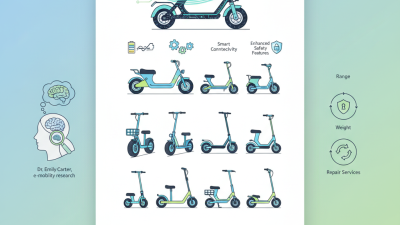
There are generally three types of electric scooters: commuter, off-road, and folding scooters. Commuter scooters are designed for urban environments. They typically feature lighter frames and slim designs. Off-road scooters are built with robust structures, suitable for rugged terrains. They usually have larger wheels and better suspension systems. Folding scooters can be easily transported and stored, making them ideal for those with limited space.
Tip: Before purchasing, consider how often you'll use the scooter. Frequent use might require a durable model, while occasional trips could work with a more lightweight version.
According to industry reports, around 47% of e-scooter users prioritize battery life. A range of 15 to 40 miles per charge is common. However, lower-end models may fall short. Always check reviews for real-world performance. Battery life can vary significantly among models.
Tip: Test ride different scooters if possible. Comfort and handling can change depending on the model. Take note of your own preferences. This simple step can prevent future regrets and enhance your riding experience.
Key Features to Consider When Choosing an Electric Scooter
When selecting the best electric scooter, consider several crucial features. Battery life plays a vital role. A longer battery allows for extended rides. Look for options with at least 20 miles of range. If your daily commute is longer, this feature is essential. Weight capacity also matters. Most scooters can hold between 220 to 300 pounds. Make sure it can accommodate your weight comfortably.
Speed and acceleration are important features to evaluate. Many scooters reach speeds of 15 to 25 mph. Think about where you will ride it. Urban environments may need faster models. Mobility is another factor. Some scooters fold up easily, enhancing portability. These are ideal for people using public transport. Consider the wheel size too. Bigger wheels often provide better stability. However, that can mean a heavier scooter.
Lastly, don't overlook safety features. Good brakes are fundamental. Look for electric or disc brakes for reliable stopping power. Front and rear lights enhance visibility, especially at night. Finding a balance between features and price is tough. Each person's needs vary widely. It’s worth reflecting on what features you truly need for your lifestyle.
Assessing Budget and Cost of Ownership for Electric Scooters
When considering an electric scooter, budget plays a crucial role. Begin by determining your price range. A low-cost option may save money upfront, but it could lead to higher maintenance costs. Look beyond the initial purchase price.
Maintenance is an important factor. Some scooters require more frequent repairs. Research common issues associated with different models. A budget-friendly scooter might lack durability. This could result in increased long-term expenses. Don't overlook insurance costs, which may vary based on your location and riding habits.
Charging expenses also matter. Regularly charging your scooter can impact your electric bill. Assess how often you plan to ride. Calculate the cost per charge and multiply by your expected usage. Sometimes, the hidden costs might catch you off guard. Choose wisely to ensure your investment meets your needs, without leading to financial strain in the future. Remember, understanding the total cost of ownership is vital for making an informed decision.
Safety Considerations and Regulations for Electric Scooter Use
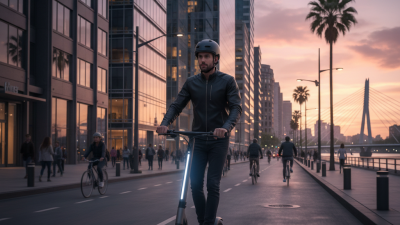
When using electric scooters, safety should be your top priority. Always wear a helmet. This simple action can significantly reduce the risk of head injuries. Check your scooter’s brakes before every ride. Functioning brakes are crucial for safe stops, especially in busy areas.
Understand your local regulations before riding. These rules can vary widely from one place to another. Some cities limit where you can ride or require specific licenses. Ignoring these can lead to fines or accidents. It is better to study the laws in your area. Also, be mindful of pedestrians. Respect their space while riding. This fosters a safer environment for everyone.
Riding at night poses additional risks. Ensure your scooter has proper lighting. Reflectors are also vital in low-light conditions. Poor visibility can lead to serious accidents. Some users might neglect these safety features, thinking they are not necessary. However, every safety measure counts. Always think about what could happen without them.