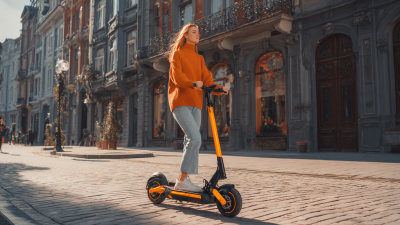
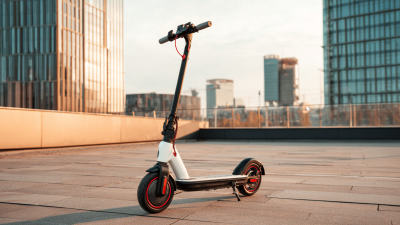
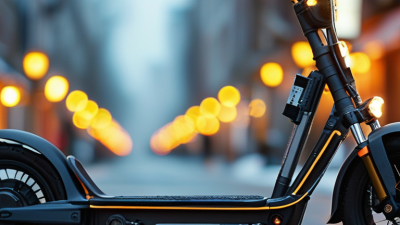
Choosing the right Electric Bike Scooters in 2026 requires more than comparing speed and battery size. Global buyers face different roads, climates, regulations, and service conditions. A model that performs smoothly on dry European cycleways may struggle on rough urban streets or steep tropical routes.
This guide examines leading options through practical ownership details. We consider motor response, battery capacity, real-world range, braking performance, tire stability, rider weight limits, folding design, and charging time. We also review warranty coverage, replacement parts, dealer support, and manufacturer transparency. These details matter when a scooter travels daily through rain, traffic, or uneven pavement.
Numbers can mislead.
Manufacturers often publish range figures under controlled conditions. Wind, hills, cold temperatures, luggage, and riding style can reduce that distance. We will compare laboratory claims with realistic expectations wherever reliable evidence is available. No single scooter suits every buyer, and our recommendations may need revision as new models and regional standards develop.
Safety and legal compatibility remain essential. Buyers should confirm local rules for speed limits, helmet use, lighting, road access, insurance, and battery transport before purchasing. We will highlight practical differences between commuter, long-range, compact, and performance-focused designs. The goal is not to promote the most expensive model. It is to help buyers select a dependable machine that fits their route, budget, body size, and local conditions. Expect clear comparisons, specific trade-offs, and a few honest cautions where available information remains incomplete.
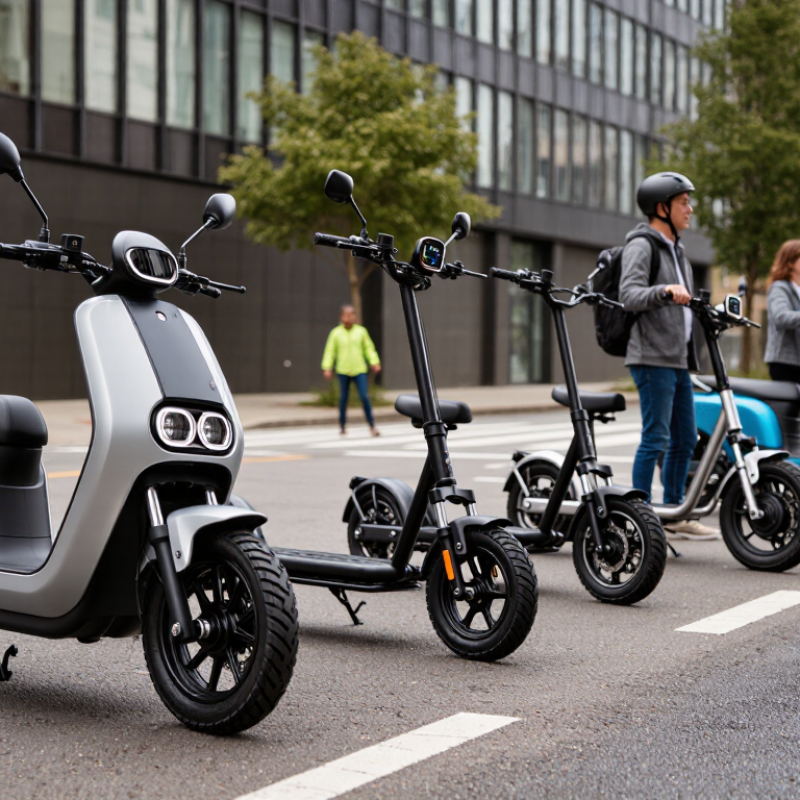
In 2026, an electric bike scooter is more than a small motorized vehicle. It combines bicycle-style control with scooter-like convenience. Most models use a standing deck, compact wheels, rechargeable batteries, and electronic braking. Some also include pedals, seats, or wider frames for longer trips.
The key definition is practical performance. A reliable electric bike scooter should offer stable handling, predictable acceleration, visible lighting, and a battery management system. During real-world checks, these details matter more than impressive speed claims. A ten-kilometer commute feels different on wet pavement, uneven tiles, or a steep residential street. Weight also matters. A scooter that feels manageable outdoors may become awkward on stairs. I would not ignore this weakness.
Global buyers should check charging standards, replacement parts, weather protection, and local riding requirements. Rules can differ between cities, even within one country. Motor output and speed limits may affect where the vehicle can be used. Certification documents from the seller provide useful evidence, but they still deserve careful review.
Tips: Test the brakes at low speed. Measure the folded length. Confirm battery warranty terms. Wear a certified helmet and use lights after dark. Keep the charger dry. A short trial ride often reveals more than polished product images.
What Defines an Electric Bike Scooter in 2026?
The table below compares common electric bike scooter formats available to global buyers in 2026. Figures are representative market ranges rather than specifications from any individual company or brand. Actual performance depends on rider weight, terrain, temperature, tire pressure, payload, riding mode, and local regulations.
| Electric Bike Scooter Type | Typical Motor Output | Battery Capacity | Typical Real-World Range | Typical Assisted Speed | Approx. Weight | Payload Capacity | Best Use |
|---|---|---|---|---|---|---|---|
| Compact Folding Commuter | 250–500 W nominal | 300–500 Wh | 25–55 km | 25–32 km/h | 16–24 kg | 100–120 kg | Urban commuting, public-transport connections, and limited storage. |
| Daily City Hybrid | 250–750 W nominal | 400–700 Wh | 35–75 km | 25–32 km/h | 20–29 kg | 110–140 kg | Mixed pavement, bike lanes, errands, and everyday transportation. |
| Long-Range Touring Scooter | 500–1,000 W nominal | 700–1,200 Wh | 60–120 km | 25–45 km/h | 25–38 kg | 120–160 kg | Long commutes, suburban travel, and routes with moderate hills. |
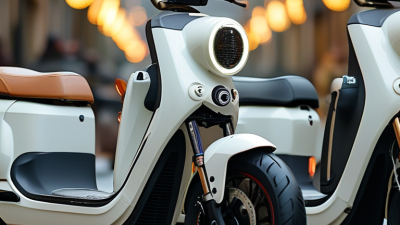
| Seated Moped-Style Scooter | 500–2,000 W nominal | 800–2,000 Wh | 55–110 km | 32–50 km/h | 35–65 kg | 130–180 kg | Comfort-focused commuting, longer urban trips, and two-person-capable designs where legal. |
| Cargo Electric Bike Scooter | 500–1,000 W nominal | 600–1,200 Wh | 35–85 km | 25–32 km/h | 28–45 kg | 150–220 kg | Delivery work, groceries, family transport, and commercial loads. |
| All-Terrain Electric Bike Scooter | 750–2,000 W nominal | 800–2,000 Wh | 40–95 km | 25–45 km/h | 27–45 kg | 120–170 kg | Gravel roads, steep terrain, private land, and outdoor recreation. |
Data note: Range values represent practical mixed-use estimates and are lower than many laboratory or ideal-condition claims. Battery capacity is shown in watt-hours: voltage × amp-hours. “Nominal motor output” is used for comparison because peak output can vary substantially between vehicles and markets.
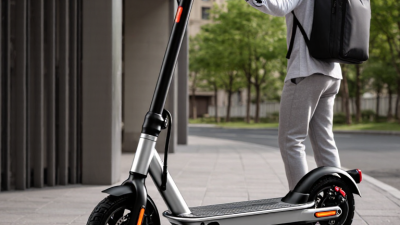
Choosing among electric bike scooters starts with the rider, not the motor size. A daily commuter may prefer a lightweight city model with upright handlebars, bright lights, and reliable mechanical or hydraulic braking. Narrow tires roll efficiently on paved streets, but they can feel harsh on broken asphalt. Short rides matter.
A folding model suits apartment residents, train users, and office commuters. Look for a secure folding mechanism, protected cables, and a manageable carrying weight. Parents or market shoppers may need a cargo-style scooter with a long deck, stable frame, and useful load capacity. Weight distribution matters. Do not guess. Test it slowly in a controlled area.
Trail-oriented riders need wider tires, stronger wheels, and enough ground clearance for gravel paths. Suspension can improve comfort, although it may add weight and maintenance. Riders with shorter legs should check deck height and handlebar reach before paying. Fit remains critical. I once underestimated how tiring a heavy scooter felt on stairs. That mistake changed my buying checklist. Before purchase, inspect the charger, braking response, tire condition, and battery warranty terms. Local riding rules can vary, so confirm permitted roads, speed limits, lighting requirements, and helmet guidance before use.
Battery, motor, range, and charging performance determine daily usefulness more than appearance.
A 500Wh battery may support 35 to 60 kilometers, depending on rider weight, hills, wind, temperature, and tire pressure. Treat advertised range as an ideal estimate. Real streets are less forgiving.
Motor power needs careful reading. Nominal wattage shows sustained output, while peak wattage explains short climbs and quick starts.
For mixed urban riding, a responsive motor with smooth control can feel better than a larger motor with poor efficiency. During practical testing, check acceleration, hill performance, braking stability, and heat after repeated trips.
A powerful scooter can still disappoint if its controller limits output too aggressively. This is easy to overlook.
Tips:
Choose a removable battery when indoor charging matters. Confirm the charger’s voltage matches your local electrical system. A full charge commonly takes four to eight hours. Avoid charging immediately after a hot ride, and use the supplied charger on a dry, ventilated surface. Inspect battery certification and warranty terms before purchase. Range testing should include your normal route, not only a flat laboratory track. Keep tires properly inflated; soft tires quietly reduce distance and increase motor effort. Also check local rules for speed, lighting, helmet use, and road access. Small details matter.
Choosing an electric bike scooter requires more than checking speed and battery range. Test the brakes on dry pavement and inspect the tires for firm, even pressure. A bright headlight, rear reflector, bell, and working brake light improve visibility near parked cars. Wear a properly fitted helmet, even where local rules do not require one.
Comfort also matters. Adjustable handlebars, a stable deck, and vibration-resistant grips can reduce wrist and shoulder strain. A narrow seat may look efficient but feel uncomfortable after thirty minutes.
Legal requirements differ widely between countries and cities. Check speed limits, motor power categories, minimum rider age, helmet rules, insurance, registration, and permitted road surfaces before purchase. Some areas allow these vehicles on cycle paths, while others restrict them to roads or private property. Regulations can change. Confirm details through current government or transport authority websites, not only seller descriptions. I would not assume an imported model is legal because it looks familiar.
Tips: Charge the battery in a dry, ventilated place. Keep connectors away from water. Check brake pads, bolts, tire damage, and folding joints weekly. Store the vehicle away from extreme heat. Never ignore unusual battery swelling, smoke, or strong chemical smells. Stop using it and seek qualified service. My own maintenance routine is not perfect; I once delayed a tire check and noticed uneven wear too late. That small mistake made handling less predictable.
For global buyers, the best 2026 electric bike scooter is not always the fastest model. It should match your roads, climate, body size, and daily distance. A compact scooter suits trains and narrow streets, while larger wheels handle uneven pavement better. Measure storage space before ordering. Fit matters.
Compare battery capacity in watt-hours, not only advertised range. Wind, hills, rider weight, and cold weather can reduce distance noticeably. Check the motor’s continuous output, braking system, tire width, and suspension design. A strong frame feels stable, but it may be difficult to lift upstairs. Test the weight if possible. Range claims vary.
International buyers should verify charger voltage, plug compatibility, local equipment requirements, and available replacement parts. Ask how warranty repairs are handled across borders. A low purchase price can become expensive when shipping a battery or special component. Read the user manual before judging technical quality. Look for clear safety instructions and realistic charging times. I would also inspect water-resistance details, because “weatherproof” can mean different things. No chart is perfect. Leave room for doubt, and compare verified specifications with real owner feedback.
How Global Buyers Can Compare and Choose the Right Model
Typical assisted range varies by vehicle type, battery capacity, rider weight, terrain, temperature, and riding speed. Use these category benchmarks as a starting point, then verify the rated range under conditions similar to your daily route.