Inquiry
Form loading...

How to Choose the Best Electric Bike Scooters?

Choosing the best Electric Bike Scooters starts with your daily routine, not a fashionable specification sheet. A short city commute needs different features from weekend park rides or steep neighborhood streets. Think about distance, surface, storage, and charging access before comparing models. Your front door matters.

An experienced buyer should examine motor performance, battery capacity, braking systems, tire size, and total weight. A powerful motor may feel exciting, but it can drain the battery faster. Larger pneumatic tires can soften rough pavement, although they require regular pressure checks. Dual braking systems usually provide better control, especially on wet or crowded roads. Still, advertised range is not a promise. Rider weight, temperature, hills, speed, and tire pressure can reduce it noticeably.

Safety and reliability deserve equal attention. Look for clear specifications, practical warranty coverage, responsive customer support, and recognized electrical safety testing where available. Check the frame welds, folding latch, lights, reflectors, and charging connector. A short test ride can reveal handlebar vibration or awkward braking that product photos hide. Also confirm local rules for speed, helmets, road access, and parking before purchase. Regulations differ by location, and online advice may be outdated.

No single scooter fits everyone. That is the uncomfortable part. A lighter model may sacrifice range, while a longer-range model can become difficult to carry upstairs. Independent reviews are useful, but personal priorities should guide the final decision. Compare real-world evidence, not just bold marketing numbers. The best choice is the model you can control confidently, maintain regularly, and use responsibly throughout its expected service life.
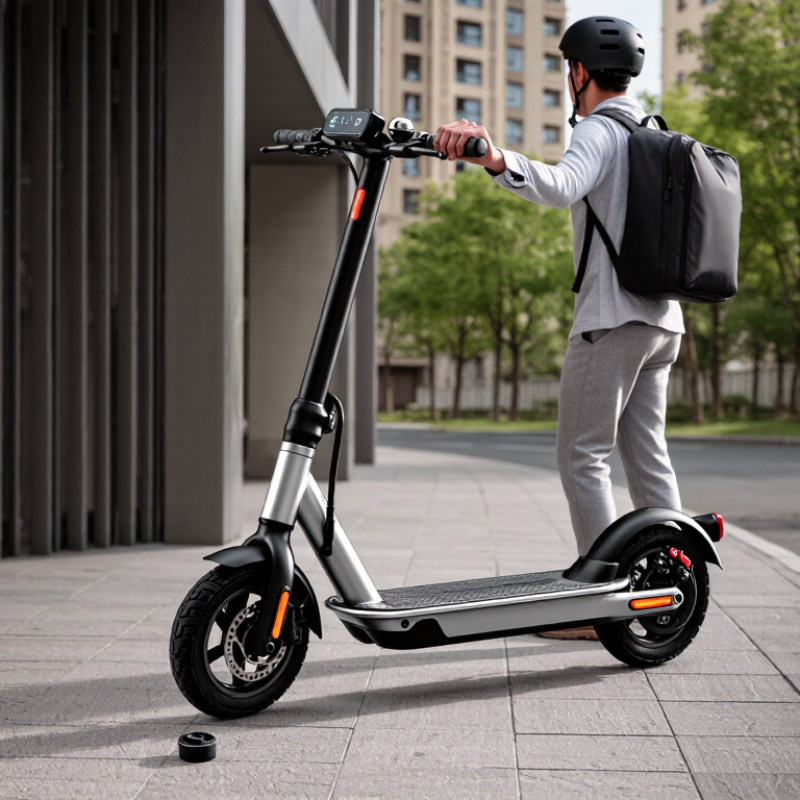
How to Choose the Best Electric Bike Scooters?

Define Your Electric Bike Scooter Needs and Riding Conditions

How to Choose the Best Electric Bike Scooters?

Define Your Electric Bike Scooter Needs and Riding Conditions

Start with the trip you actually make, not the trip advertised on a specification sheet. Measure your daily distance, including the return journey and unexpected detours. A short urban commute may need modest range, while hilly routes require stronger climbing performance. Rider weight, carried items, and frequent stops also affect battery use.

Study the riding surface carefully. Smooth pavement suits smaller solid tires, but cracked roads benefit from larger pneumatic tires and reliable suspension. Wet weather demands effective brakes, visible lights, and a deck that remains stable underfoot. Check the manufacturer’s water-resistance guidance instead of assuming every model handles heavy rain. It may not.

Think about storage and charging before purchasing. Measure your doorway, stairwell, and elevator. A heavy scooter can become frustrating after a long workday. Confirm that the battery can charge safely in your available space. Look for clear information about charging time, replacement parts, load limits, and maintenance intervals. These details show more expertise than a dramatic top-speed figure. I once underestimated storage space, and convenience disappeared quickly. Real decisions are rarely neat. Consider local riding rules, helmet requirements, and permitted paths before regular use.
Compare Motor Power, Battery Range, and Charging Requirements

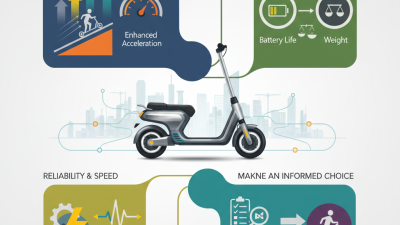
Choosing an electric bike scooter starts with motor power, not the largest number on a product page. A 350-watt motor may handle flat city streets, while steep roads and heavier riders need stronger sustained output. Peak wattage can mislead. The International Energy Agency’s Global EV Outlook 2024 identifies electric two- and three-wheelers as the world’s most widely adopted electric road vehicles, but performance still depends on weight, hills, tires, and temperature.

Battery range needs practical testing. A 500-watt-hour battery does not deliver one fixed distance. At 15 watt-hours per mile, it may theoretically provide about 33 miles. Wind, cold weather, frequent stops, and low tire pressure reduce that figure. The U.S. Department of Energy recommends comparing usable energy, not only battery capacity. My own rule is simple: keep 20% reserve for detours. It feels less exciting, but it prevents anxious final miles. Published range claims can also reflect light riders and ideal pavement.

Charging requirements deserve equal attention. Check the charger’s voltage, amperage, connector, and estimated charging time. A 2-amp charger replenishes a 500-watt-hour battery in roughly six hours before charging losses. The National Renewable Energy Laboratory reports that charging efficiency varies with equipment and operating conditions, so real times may be longer. Avoid charging near heat, moisture, or damaged cables. I once underestimated overnight charging space; a nearby outlet mattered more than a faster motor. Temperature protection and certified electrical testing are worth checking, though certification alone cannot guarantee perfect ownership.

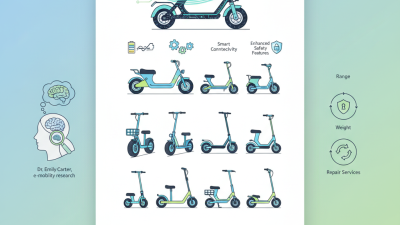
This comparison uses representative, brand-neutral electric bike scooter configurations. Higher motor power generally supports stronger acceleration and hill climbing, while battery range depends on battery capacity, rider weight, terrain, speed, and weather. Charging times assume a standard charger and a full charge from empty.

Evaluate Safety Features, Comfort, and Riding Stability

How to Choose the Best Electric Bike Scooters?

Safety should guide your decision, not flashy speed claims.

During test rides, I check both brakes on a quiet, level street. They should respond smoothly without sudden locking. Look for bright front and rear lights, reflective surfaces, a clear horn, and strong tire grip. A stable folding mechanism matters too. Loose joints can create frightening movement.

Comfort becomes obvious after fifteen minutes. I examine the handlebar height, deck space, saddle support, and suspension response. My wrists should stay relaxed, while my feet remain firmly planted.

Pneumatic tires often soften rough pavement, but they may require more maintenance. Solid tires resist punctures, yet they can transmit every crack. Small differences matter.

Riding stability depends on more than wheel size.

A balanced frame, low center of gravity, and predictable steering help on turns. I avoid models that wobble when I shift my weight slightly. Test them slowly first. Then try a gentle slope and a controlled stop.

No checklist replaces judgment.

Even experienced riders can overlook battery weight or poor visibility at dusk. Read the technical specifications, follow the manufacturer’s maintenance guidance, and wear properly fitted protective equipment. Availability and equipment requirements can also vary by location.

Check Size, Weight, Portability, and Legal Requirements

Choosing the best electric bike scooter starts with fit, not speed. Measure the deck, handlebar height, and folded dimensions before buying. A compact frame may suit a small apartment, but it can feel cramped during longer rides. Stand naturally and check whether your knees bend comfortably. Small details matter.

Weight affects every trip. A model weighing over 20 kilograms can become awkward on stairs or public transport. Test the folding latch, carry handle, and wheel balance if possible. Portability claims can be misleading. A scooter may fold neatly but remain difficult to lift. I once underestimated this point, and carrying it upstairs quickly became unpleasant.

Tips: Check your local rules before riding. Requirements may cover minimum age, helmet use, lighting, speed limits, registration, insurance, or approved riding areas. Rules differ between cities and can change. Read official transport guidance, not only product descriptions. Confirm whether bike lanes, roads, or shared paths are permitted. Also inspect the brakes, tires, lights, and battery condition before each ride. Leave extra space for stopping, especially on wet pavement.

How to Choose the Best Electric Bike Scooters? - Check Size, Weight, Portability, and Legal Requirements

Selection Factor Compact Commuter Standard Urban Model Long-Range or Cargo Model What to Check
Overall Length 110–145 cm 150–180 cm 175–220 cm Measure storage areas, elevators, bicycle racks, and vehicle loading space.
Handlebar Width 45–60 cm 60–72 cm 65–80 cm A narrower bar is easier indoors; a wider bar generally improves steering stability.
Vehicle Weight 12–18 kg 18–28 kg 25–40+ kg Include the battery if you need to carry it upstairs or lift it onto a rack.
Folded Size Approximately 80–100 × 35–45 × 65–80 cm Approximately 85–110 × 40–50 × 70–90 cm, if foldable Often not foldable; typically over 170 cm long Check folded dimensions rather than relying only on the word “foldable.”
Wheel Size 8–12 inches for scooters; 16–20 inches for compact e-bikes 10–12 inches for scooters; 26–27.5 inches for many e-bikes 20–26 inches Larger wheels usually roll more smoothly over cracks, while smaller wheels reduce storage size.
Ground Clearance 7–12 cm 10–16 cm 14–22 cm More clearance helps on uneven roads but can raise the step-over height.
Typical Real-World Range 15–35 km per charge 30–70 km per charge 50–120 km per charge Actual range changes with rider weight, hills, temperature, tire pressure, speed, and assist level.
Battery Capacity 250–400 Wh 400–700 Wh 600–1,000+ Wh Compare watt-hours, not only amp-hours; watt-hours equal volts multiplied by amp-hours.
Charging Time 3–5 hours 4–7 hours 5–10 hours Confirm whether the battery can be removed and charged separately.
Motor Output 250–350 W nominal 250–500 W nominal 500–750 W nominal Legal power limits often refer to nominal or continuous output, not peak output.
Payload Capacity 100–120 kg including rider and cargo 120–150 kg including rider and cargo 150–200+ kg including rider and cargo Never exceed the manufacturer’s combined rider-and-cargo limit.
Braking System Mechanical or hydraulic disc brakes Preferably hydraulic disc brakes for frequent riding Hydraulic disc brakes with larger rotors are recommended Check brake performance, lever reach, pad availability, and wet-weather stopping ability.
Best Use Case Short trips, public transport connections, and limited storage Daily commuting, errands, and mixed urban roads Long commutes, steep routes, passengers, or heavy loads Match the vehicle to your route, storage, carrying needs, and riding frequency.
Portability Priority Highest Medium Low A lighter vehicle may have a smaller battery, lower payload, or reduced stability.

Legal Requirements Checklist

Requirement Common Rule or Reference Point What the Buyer Should Confirm
European Union-style pedelec limits Many standard pedelecs use a motor rated at no more than 250 W continuous output, with assistance cutting off at 25 km/h and assistance provided only while pedaling. Check the rules in the specific country and whether throttle operation changes the vehicle category.
United Kingdom EAPC rules An electrically assisted pedal cycle generally has pedals, a motor rated no more than 250 W, and assistance that stops above 15.5 mph; riders must be at least 14 years old. Verify whether the vehicle qualifies as an EAPC or falls under another regulated category.
United States e-bike classes Many jurisdictions use Class 1 for pedal assist up to 20 mph, Class 2 for throttle-assisted operation up to 20 mph, and Class 3 for pedal assist up to 28 mph, but definitions vary. Check state, city, trail, and park rules, including helmet and age requirements.
Electric scooter restrictions Speed limits, permitted roads, sidewalk access, registration, insurance, and minimum age vary substantially by jurisdiction. Confirm whether private scooters are legal on public roads and whether lights, reflectors, bells, or insurance are required.
Helmet and safety equipment Helmet rules may depend on age, vehicle class, speed capability, and location. Front and rear lights are commonly required or strongly recommended for night riding. Review local law and choose approved lighting, reflectors, a bell or horn, and a properly fitted helmet.
Battery and charging safety Use the supplied or approved charger, avoid damaged batteries, keep charging areas ventilated, and follow local transport and building rules. Look for documented battery safety testing, clear charging instructions, and a removable battery if indoor charging is needed.

Specifications shown are typical market ranges rather than guarantees. Always verify the latest laws with the relevant transport authority before riding.

Compare Prices, Maintenance Needs, Warranty, and Brand Support

Choosing an electric bike scooter starts with the full ownership cost, not the shelf price. A cheaper model may need frequent tire changes, brake adjustments, or battery replacement. Compare the purchase price with charger quality, replacement parts, and local service rates. Ask for a written warranty, including coverage length and exclusions. Battery coverage can hide important limits.

Maintenance should fit your routine. Inspect tire pressure weekly, test the brakes before each ride, and keep electrical connections dry. A repair guide is useful, but it cannot replace trained service for battery faults. Check whether support offers clear diagnostic steps, realistic response times, and accessible spare parts. Warranty language matters: some plans cover manufacturing defects but exclude water damage, impact, or normal wear. Read the claims process before paying. I once underestimated downtime. That mistake cost more than expected.

Support should be judged by evidence, not polished promises. Look for a stable service address, dated manuals, safety notices, and customer reports describing resolved problems. Keep receipts, serial details, and maintenance records from day one. They can protect a valid claim. If support is vague, choose a scooter with common parts and independent repair options. This may sacrifice a lighter frame or a lower initial price. Still, reliable help matters when a scooter stops working before a morning commute. Test the support channel with one specific question. Its reply may reveal more than advertising.