China Top 10 Electric Adult Scooters for Global Buyers?
As electric mobility continues to gain traction globally, the Electric Adult Scooter emerges as a popular choice for urban commuters. These scooters offer a blend of convenience, environmental responsibility, and fun. However, with many brands available, it can be overwhelming for buyers to make informed decisions.
China has become a hub for innovation in electric scooters. Numerous manufacturers produce high-quality models tailored for various needs. Each scooter features unique specifications, such as battery life, speed, and weight capacity. These details are crucial for selecting the right vehicle. While many options exist, it’s essential to consider reliability and user experiences.
Buyers should reflect on their specific requirements—daily commutes, leisure rides, or short trips. Understanding these factors leads to a better choice. Electric Adult Scooters can greatly enhance mobility, but not every model fits every rider. It's vital to research, read reviews, and carefully weigh the pros and cons of each option. Making an informed decision ensures a satisfying ride for years to come.
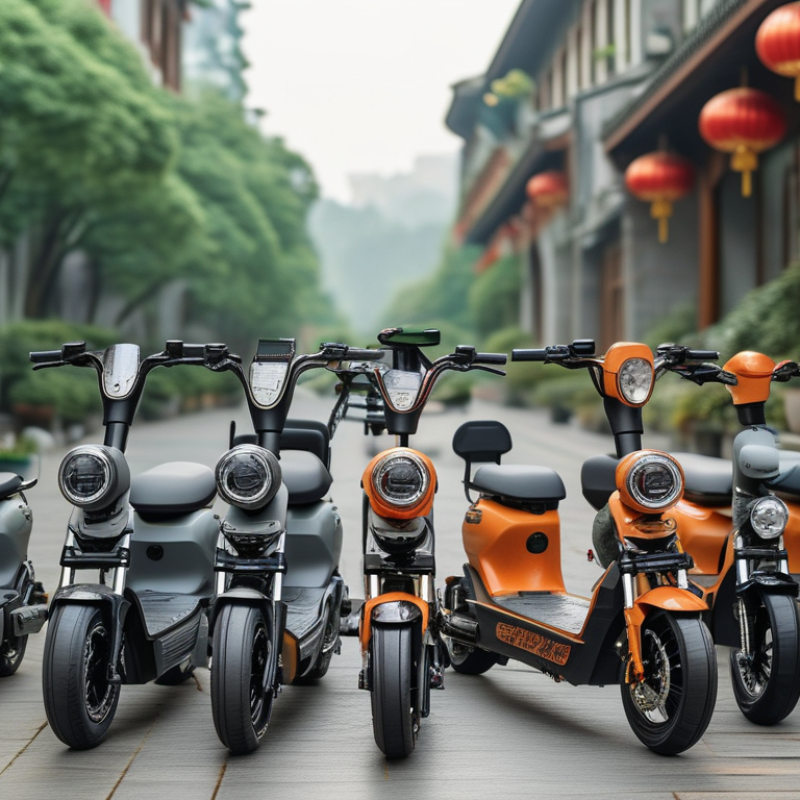
Overview of the Electric Scooter Market in China
The electric scooter market in China has seen significant growth in recent years. City dwellers are turning to these vehicles for eco-friendly commuting options. With lower emissions compared to cars, electric scooters are more sustainable. They provide a practical solution for urban transport needs.
Many manufacturers are entering this space, contributing to healthy competition. This drives innovation and leads to a variety of models available. However, the rapid expansion raises concerns about quality control. Some products on the market may not meet safety standards, leading to potential hazards for users.
Regulations are evolving to address these issues, yet enforcement can be inconsistent. Consumers need to research carefully before purchasing. Reputation and user reviews are vital in choosing a reliable electric scooter. The market continues to mature, but challenges remain in ensuring product reliability and safety.
Key Features and Specifications to Consider in Electric Scooters
When considering electric scooters, it's essential to focus on key features and specifications. One of the primary aspects is battery life. A high-quality scooter usually offers a range of 25 to 40 miles on a single charge. According to recent market reports, battery technology has improved, allowing for faster charging times of 4-6 hours.
Motor power is another crucial feature. Most scooters come with motors ranging from 250W to 800W. This power impacts acceleration and hill-climbing ability. Many buyers overlook weight limits, which can be vital for performance and safety. Typically, scooters can support between 200 to 300 pounds. Always check this specification if shared use is a possibility.
Tip: Examine the frame material for durability. Aluminum and carbon fiber are lightweight yet robust options.
Comfort also deserves attention. Look for scooters with adjustable handlebars and wide decks. Suspension systems play a significant role in ride quality, especially on uneven surfaces. The safety features, such as front and rear lights, are often underrated but crucial for nighttime riding.
Tip: Test different models for comfort and handling before purchasing. This firsthand experience can reveal minor issues not listed in specifications.
Understand varying braking systems too. Disc brakes are effective but may require more maintenance compared to electric brakes. In conclusion, thorough research based on these specifications is crucial for making an informed decision in the electric scooter market.
Top 10 Electric Adult Scooters: Brand Comparison and Reviews
In the rapidly evolving market of electric adult scooters, understanding the key players is crucial. Industry reports indicate that global sales of electric scooters are projected to reach over 50 million units by 2027, bringing significant competition among brands. Factors like battery life, weight capacity, and charging time stand out in consumer preferences. Manufacturers are increasingly focusing on enhancing these features to capture market share.
Reviews show a wide variance in build quality and performance among different models. For instance, some scooters offer robust frames but compromise on portability. Others excel in speed yet lack adequate battery range, resulting in user dissatisfaction. Consumers often feel frustrated navigating through these trade-offs.
The demand for eco-friendly transportation options drives innovation. A recent survey revealed that 70% of users seek sustainable commuting solutions. Battery technology is central to this mission, with companies pursuing longer-lasting options. Despite advancements, issues like long charging times persist as pain points for users. This inconsistency in product offerings highlights the ongoing need for improvement and transparency in the industry.
Pricing and Availability for Global Buyers
The electric scooter market is booming worldwide. Data from industry reports suggest that the market is projected to grow at a compound annual growth rate (CAGR) of over 7% from 2023 to 2030. This growth presents exciting opportunities for global buyers. Pricing varies significantly based on features, battery life, and range. Entry-level models can start around $300, while high-end variants may exceed $1,500.
Availability is another critical factor. Many manufacturers offer international shipping, but this can affect delivery times and costs. For instance, standard shipping may take 2-4 weeks, while expedited options are often pricier. Buyers should also consider potential customs duties when importing these scooters. Numerous online retailers provide a plethora of options; however, not all offer transparent return policies or warranties.
Product quality can also be inconsistent. Some scooters may not perform as advertised in independent tests. Research indicates that users should check for safety certifications. Choosing a model that balances price and performance is essential. It’s wise to read customer reviews and market analyses to make informed decisions. This diligence ensures you get a reliable product that meets your needs.
Top 10 Electric Adult Scooters Pricing for Global Buyers
Future Trends in Electric Scooters in China and Beyond
The electric scooter market in China is rapidly evolving. A recent report indicated that the global electric scooter market is projected to reach $41.5 billion by 2030, driven largely by innovations in battery technology and increasing urban congestion. As cities worldwide embrace sustainable transport, the demand for electric scooters continues to rise. In China, it is estimated that over 40 million electric scooters were sold in 2022 alone, showcasing the growing popularity of these vehicles.
Future trends indicate a shift toward smart technology integration in electric scooters. Features such as GPS navigation, app connectivity, and anti-theft systems are becoming standard. The World Economic Forum highlighted that consumer preference for eco-friendly transport is reshaping mobility solutions. However, challenges such as battery disposal and charging infrastructure need addressing. Industry experts point out that sustainability must extend beyond the product, focusing on the entire lifecycle of electric scooters.
It’s also important to recognize potential issues. Not all users feel safe riding electric scooters, and incidents related to accidents are reported. The industry must prioritize safety features and user education. This dual focus on innovation and safety will shape the future landscape of electric scooters in China and worldwide. Balancing advancement with safety is crucial for a resilient market.
China Top 10 Electric Adult Scooters for Global Buyers
| Model |
Max Speed (km/h) |
Range (km) |
Battery Capacity (Ah) |
Weight (kg) |
Price (USD) |
| Model A |
25 |
40 |
10 |
12 |
499 |
| Model B |
30 |
50 |
15 |
13 |
599 |
| Model C |
28 |
45 |
12 |
11 |
550 |
| Model D |
35 |
60 |
20 |
14 |
699 |
| Model E |
40 |
70 |
25 |
15 |
799 |
| Model F |
32 |
55 |
18 |
13 |
650 |
| Model G |
27 |
52 |
14 |
12 |
580 |
| Model H |
38 |
65 |
22 |
16 |
850 |
| Model I |
33 |
58 |
19 |
15 |
720 |
| Model J |
29 |
50 |
17 |
11 |
590 |