China Top Electric Scooter Battery Manufacturers?
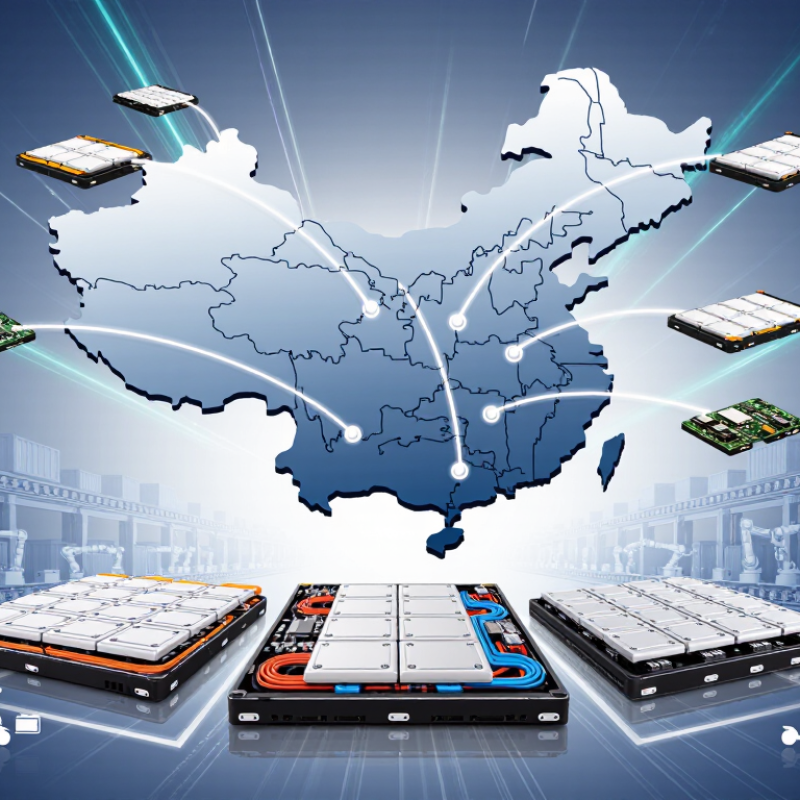
China has become a critical manufacturing base for the global Electric Scooter Battery industry. Its advantage extends beyond low production costs. Dense supplier networks connect cell makers, battery-pack assemblers, BMS developers, and vehicle manufacturers within short delivery distances. The International Energy Agency’s Global EV Outlook 2024 identifies China as the world’s leading market for electric two- and three-wheelers. This scale supports faster product testing and more competitive pricing.
Battery economics also explain China’s influence. BloombergNEF’s 2024 Battery Price Survey reported an average global lithium-ion pack price of 115 US dollars per kilowatt-hour, a 20% decline from 2023. Electric scooter packs usually require smaller capacities, but their real value depends on cycle life, thermal control, water resistance, and service support. A 48-volt pack may look similar across suppliers. The internal cells and protection strategy can differ significantly.
That difference matters.
This guide examines China’s leading Electric Scooter Battery manufacturers through practical criteria, including cell quality, BMS performance, certifications, customization capability, production consistency, and export experience. It also considers whether a supplier can provide traceable testing records instead of attractive catalog claims. Public rankings remain imperfect because manufacturers report different product categories and capacities. That limitation should not be ignored. Buyers should verify factory audits, sample results, warranty terms, and after-sales response before choosing a long-term partner. In real operations, a battery that survives repeated charging near a humid warehouse may matter more than the lowest quotation. This introduction provides a structured starting point for comparing China’s strongest suppliers with greater technical confidence.
Electric Scooter Battery Manufacturing in China: An Industry Overview
China’s electric scooter battery industry combines large-scale production with specialized engineering. Manufacturers typically assemble lithium-ion packs for commuting, delivery, and shared-mobility vehicles. Their work includes cell selection, battery management systems, welding, enclosure design, and safety testing.
Quality depends on more than production capacity.
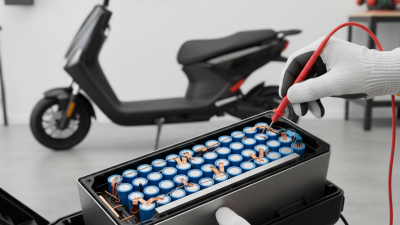
A reliable supplier should explain cell traceability, thermal protection, charging limits, and cycle-life results. Factory audits should examine humidity control, welding consistency, aging tests, and final inspection records. Sample batteries should be tested under vibration, temperature changes, and repeated charging. A clean showroom proves little. Process evidence matters more.
Tips:
Request a detailed specification sheet before sampling. Check whether the stated capacity matches usable capacity. Ask for protection data at the cell and pack levels. Review transport and market compliance documents for your destination. Do not rely only on a low quotation; warranty handling and replacement procedures can affect total cost. Some suppliers still present optimistic cycle figures, so independent testing is worth considering. The industry is improving, but documentation gaps remain. Even experienced buyers can overlook connector quality or water-resistance details. Small weaknesses may appear after months of daily riding, not during a short demonstration.
Key Types of Batteries Used in Electric Scooters
China Top Electric Scooter Battery Manufacturers?
Key Types of Batteries Used in Electric Scooters
Lithium-ion batteries dominate modern electric scooters because they combine low weight, high energy density, and useful cycle life. Within this group, nickel-manganese-cobalt cells offer strong range, but they cost more and require careful thermal management. Lithium iron phosphate cells are heavier, yet they provide better thermal stability and longer service potential. BloombergNEF’s 2024 Battery Price Survey reported an average lithium-ion pack price of 115 US dollars per kWh. That figure helps explain why battery chemistry strongly affects scooter pricing.
Lead-acid batteries remain common in low-cost scooters. They are inexpensive and easy to recycle through established systems. However, they are much heavier and usually deliver fewer usable cycles. For short urban trips, this trade-off may still work. In my experience, real performance depends on more than cell chemistry. The battery management system, charger quality, storage temperature, and connector design can change daily reliability. The International Energy Agency’s Global EV Outlook 2024 identifies electric two- and three-wheelers as a leading electrified transport segment, but market claims still need careful testing.
Tips: Check the battery’s nominal voltage, watt-hour capacity, cycle rating, and certification documents. Ask whether capacity is measured under realistic conditions. A larger capacity label does not always mean longer range. Cold weather can reduce output noticeably. Also, avoid judging suppliers by price alone; after-sales testing and traceable cell documentation matter.
Leading Chinese Electric Scooter Battery Manufacturers
Leading Chinese electric scooter battery manufacturers combine large-scale production with increasingly precise engineering. Their facilities often include automated welding lines, cell-matching equipment, and aging rooms where packs remain under controlled observation. A reliable supplier should explain its battery chemistry, capacity tolerance, battery management system, and thermal protection clearly.
Factory evaluation needs more than a polished showroom. Inspect sample packs, weld consistency, connector quality, insulation, and enclosure sealing. Ask for cycle-test records and production traceability.
Temperature testing matters because scooters may operate on hot pavement or during winter commutes. Manufacturers serving export markets should also provide transport documentation and testing reports required by the destination market.
Customization is another strength among leading Chinese manufacturers. They can adjust pack dimensions, mounting points, wiring, display communication, and charging limits for different scooter designs. However, customization can introduce hidden weaknesses. A smaller enclosure may restrict cooling. A cheaper connector may loosen after repeated vibration. No factory is flawless. Even strong suppliers need independent sample testing, clear warranty terms, and regular quality reviews. A practical audit should compare promised specifications with the battery in your hands. That small gap often reveals the real manufacturing standard.
Battery Technologies and Quality Standards in China
China’s electric scooter battery sector is moving toward safer lithium-ion systems and tighter quality control. BloombergNEF’s 2024 Battery Price Survey reported an average global pack price of 115 US dollars per kWh. China’s average was lower, at 94 dollars per kWh. Lower cost helps manufacturers, but it can also hide compromises in cells, welding, or insulation.
Reliable suppliers should show cell-grade records, battery management system data, and traceable production batches. Testing should cover overcharge, short circuit, vibration, water exposure, and thermal abuse. GB/T 36972-2018 provides technical requirements for lithium-ion batteries used in electric bicycles. GB 17761-2018 also sets safety requirements for electric bicycles. These standards are useful, but compliance alone does not prove long-term field performance. Real service data matters. Factory audits can miss weak points, especially when sampling is limited.
Tips: Ask for recent test reports, not old certificates. Check whether the report matches the exact battery model. Review cycle-life results at realistic temperatures. Inspect welds and cable protection closely. The International Energy Agency reported that China represented nearly 60% of global electric-car sales in 2023, showing the scale of its battery ecosystem. Yet scooter batteries face different vibration and charging patterns. A careful buyer should not copy car-battery assumptions. Even experienced teams sometimes overvalue energy density and undervalue heat control. Safety should remain measurable, not merely advertised.
China Electric Scooter Battery Technologies: Typical Cycle Life
Typical rechargeable-cycle life to approximately 80% remaining capacity: lithium iron phosphate (LFP) is generally the most durable, followed by nickel-manganese-cobalt (NMC) lithium-ion batteries and lead-acid batteries. Actual results vary with cell quality, battery management, charging temperature, depth of discharge, and operating conditions. Chinese electric-bicycle battery safety requirements include GB 43854-2024 for lithium-ion batteries and GB 17761-2018 for electric bicycles.
How to Evaluate a Chinese Scooter Battery Manufacturer
Choosing a Chinese scooter battery manufacturer requires more than comparing prices. Factory experience should be visible in production records, not only in sales presentations. Ask how long the facility has produced scooter batteries and which battery formats it handles regularly.
Request evidence of cell traceability, incoming inspection, and batch testing. A reliable factory should explain its battery management system, protection settings, welding method, and quality checkpoints. Ask for sample test reports covering capacity, cycle life, temperature performance, vibration, and transport compliance. Do not accept a polished document without checking dates, test conditions, and sample numbers. Ask for evidence.
Visit the production site when possible. Watch workers inspect nickel strips, seal cases, and record voltage readings. Clean storage rooms and controlled humidity matter more than attractive offices. Check whether rejected cells are isolated and whether serial numbers connect finished packs to production records. Independent testing can reveal differences between advertised capacity and usable capacity. It may feel excessive, but one weak cell can reduce an entire pack’s performance.
Communication also shows expertise. Technical staff should answer clearly about charging limits, warranty exclusions, storage temperature, and expected cycle life. Request pilot samples from different batches, then repeat testing after delivery. A small inconsistency may expose a larger process problem. I would not choose the cheapest quotation without understanding its cell grade, testing depth, and after-sales process. Factory confidence is useful, but documented consistency is stronger.