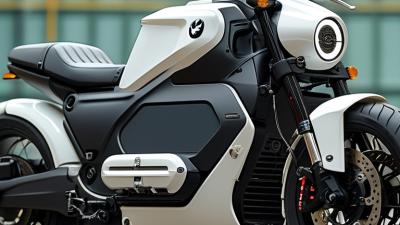
Choosing the right Electric Scooter Accessories in 2026 requires more than matching colors or following online trends. A useful accessory should improve safety, comfort, visibility, or daily reliability. It should also fit your scooter correctly. A loose phone mount can become dangerous on rough pavement. A weak lock may provide reassurance without meaningful protection.
Real riding conditions reveal what product descriptions often miss. Commuters may need weather-resistant lights, reflective clothing, a secure helmet, and a dependable rear-view solution. Weekend riders might value a compact tire pump, puncture-repair tools, and a comfortable handlebar bag. Battery-powered accessories deserve special attention. Confirm their charging specifications, heat resistance, and compatibility before installation.
Small details matter.
This guide compares accessories through practical testing principles, manufacturer information, user experience, and recognized safety guidance. It considers installation quality, material durability, maintenance needs, and performance in rain, darkness, and crowded streets. Local equipment requirements can differ, so riders should check current regional rules before purchasing or riding. Product certifications also need careful verification, because vague safety claims are not enough.
There is no perfect accessory list for every rider. I have sometimes prioritized convenience over weight, then regretted the extra bulk during longer journeys. That experience supports a simpler approach: buy for your route, scooter model, climate, and riding habits. Avoid unnecessary gadgets. A well-chosen accessory should solve a specific problem without creating another one.
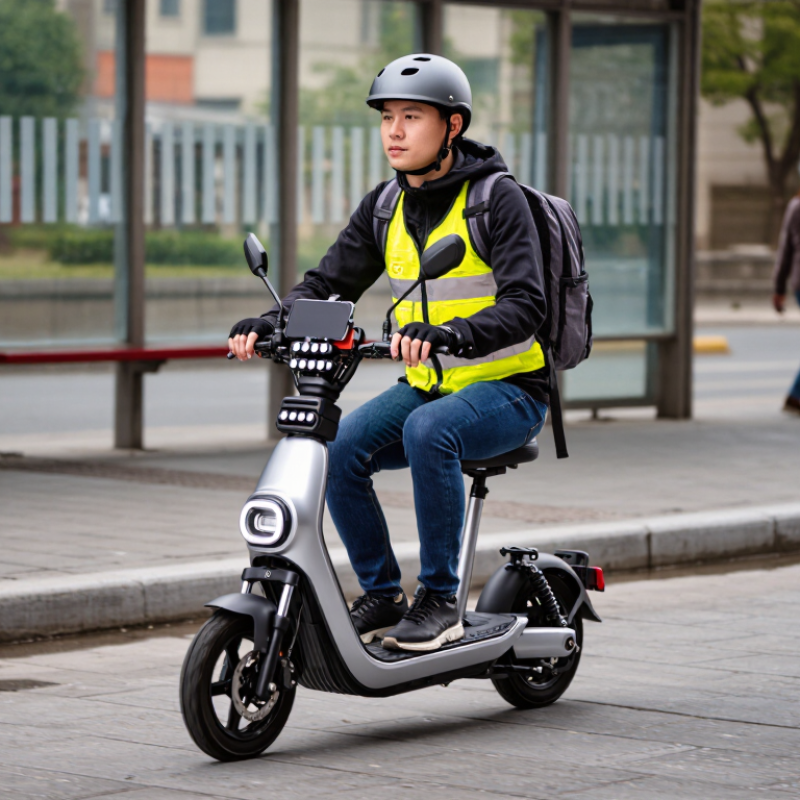
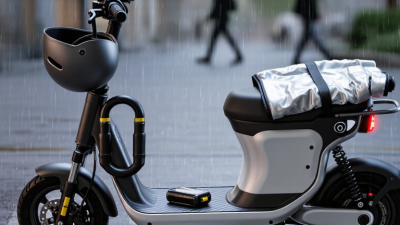
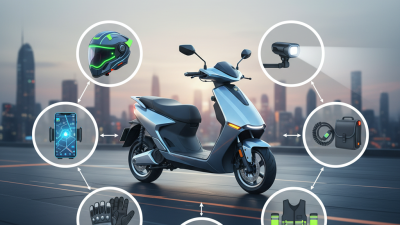
Electric scooter accessories should solve specific riding problems. A helmet protects the head, while front and rear lights improve visibility at dusk. Reflective straps help drivers notice a rider from the side. A tested lock reduces theft risk, but no lock guarantees complete security.
The 2023 NACTO Shared Micromobility Report recorded 157 million shared micromobility trips in the United States and Canada. That volume shows why visibility, secure parking, and daily comfort deserve careful attention.
Accessories also support control and maintenance. A phone mount helps with navigation, but it must not block the display or steering movement. A compact pump, tire gauge, and repair kit can prevent a long walk home.
Choose water-resistant bags for rain, and check the scooter’s maximum load before adding storage. A mirror may improve awareness in traffic, although it cannot replace a shoulder check. I have found that brighter equipment is not always better. Excessive light can distract others or drain the battery faster. Local safety rules still matter, and they differ by location.
Tips: Match every accessory to your route. Test lights at night. Check fasteners weekly. Keep cables away from wheels. Avoid buying a large kit automatically; unused gear adds weight, cost, and clutter. Reflective details, reliable brakes, and a properly fitted helmet should receive priority over decorative items.
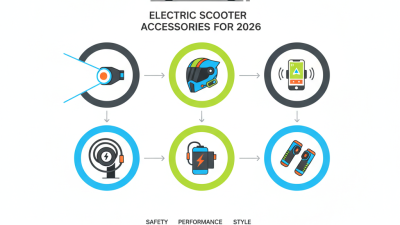
How to Choose Electric Scooter Accessories in 2026?
Assessing Your Scooter Model, Riding Style, and Personal Needs
Start with your exact scooter model and its current condition. Measure the handlebar width, stem diameter, deck space, and available mounting points. A light, lock, or phone holder must fit securely without touching cables or folding joints. Check the user manual before adding electrical equipment. Small details matter.
Your riding style should guide every purchase. For short city trips, a compact front light, bell, and weather-resistant phone holder may be enough. Longer commutes often need brighter lighting, reflective clothing, a stronger lock, and a small repair kit. If you ride on uneven paths, choose accessories with firm mounts and vibration resistance. I prefer simple equipment that remains useful after several months. More features can create more failure points.
Personal needs also change the decision. A rider with limited hand strength may need an easier-to-operate bell or phone mount. People who carry groceries might value a stable rear carrier, if the scooter structure supports it. Weather protection matters during wet commutes, but covers can trap moisture after riding. I once bought a large handlebar bag that blocked the display. That mistake changed my checklist. Before buying, test reach, visibility, balance, and removal speed. An accessory should improve control, not compete with it.
How to Choose Electric Scooter Accessories in 2026?
Safety should guide every accessory choice. A bright front light and red rear light improve visibility during evening rides. Choose lights with stable mounts, weather resistance, and simple controls. Reflective strips on the stem or wheels can help drivers notice movement from the side. A helmet meeting recognized safety standards matters more than stylish decoration. Gloves also protect your palms and improve grip when the handlebar feels cold or wet. No accessory replaces careful riding.
Comfort depends on your route and body position. Measure the handlebar before buying a phone holder or mirror. A padded grip can reduce pressure during longer trips. A small bell gives pedestrians a clear warning without shouting. For rainy conditions, use a fitted cover that does not touch moving parts. I once chose a soft handlebar bag that blocked the folding latch. It looked useful, but it was annoying and unsafe. Check access points before purchasing.
Storage accessories should stay secure over uneven pavement. A rigid front bag or rear basket can carry a charger, water bottle, and compact tool kit. Keep heavy items low and close to the scooter’s center. Loose straps may catch on wheels. Avoid overloading the frame or blocking lights. A small lock can discourage casual interference, while parking only in permitted areas reduces problems. Measure first. Guessing often wastes money.
Typical retail price ranges for essential safety, comfort, and storage accessories
Prioritize certified protective equipment and visibility accessories first, then add comfort and storage products according to your route, weather, and carrying needs. Prices are indicative brand-neutral retail ranges in U.S. dollars and may vary by region and product specifications.
Compatibility should guide every accessory decision. Check the scooter’s exact model, connector type, voltage range, mounting points, and available space. A light may fit the handlebar but block the display. A wider grip may interfere with folding. Measure twice. After fitting accessories, test steering, braking, folding, and cable movement before riding. The manual remains more reliable than a product description.
Quality appears in small details. Look for firm stitching, smooth fasteners, stable brackets, and cables with strong insulation. Metal parts should resist bending under normal use. Plastic should not feel brittle in cold weather. I once chose a cheaper phone holder, and its clamp loosened on rough pavement. It worked indoors. That was not enough. Independent safety testing is useful, but unclear claims deserve caution.
Weather resistance matters beyond simple waterproof labels. Check the stated protection rating, sealed connectors, drainage paths, and corrosion-resistant hardware. Rain can enter through a poorly covered port, while road dust can wear moving parts. Installation should follow the supplied instructions and use the correct tools. Avoid forcing screws or stretching wires around folding joints. Leave enough slack for movement, but not enough to catch on wheels. Recheck every fastener after several rides. Small errors become obvious later.
How to Choose Electric Scooter Accessories in 2026?
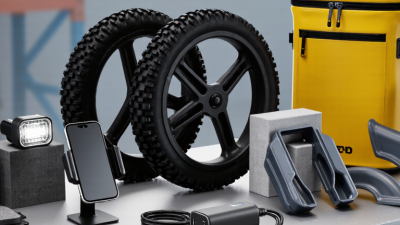
Accessory prices vary widely, but the cheapest option can become expensive after repeated replacement. Compare the purchase cost with expected service life, repairability, and warranty terms. A reinforced tire may cost more, yet it can reduce puncture-related downtime on rough urban roads. A basic phone mount might be inexpensive, but weak clamps can damage the mount or distract you during riding. Price is only entry.
Maintenance needs deserve equal attention. Check whether an accessory requires special tools, frequent charging, or delicate cleaning. Lights should have accessible batteries and secure wiring. Locks need regular lubrication and should resist rain without becoming difficult to operate. For tires, inspect tread depth and pressure every week. Keep receipts. They help track replacement patterns and reveal hidden costs.
Long-term value depends on useful performance, not impressive specifications. Choose accessories that improve visibility, comfort, or protection without adding unnecessary weight. A heavier setup may increase carrying effort and reduce practical range. I once favored a low price and ignored installation quality; the adjustment screws loosened within weeks. That decision was not efficient. Reviewing user manuals, maintenance records, and independent safety testing can improve confidence, but no accessory lasts forever. Reassess fit after several months, especially if the scooter is stored outdoors or used daily.
| Accessory Category | Typical Price Range (USD) | Primary Benefit | Typical Maintenance Need | Expected Service Life | Long-Term Value | Best Choice When... |
|---|---|---|---|---|---|---|
| Certified Helmet | $35–$150 | Reduces the risk of serious head injury during a crash. | Inspect after every impact; replace after a significant impact or according to the manufacturer’s replacement guidance. Check straps and fit regularly. | About 3–5 years with normal use, or immediately after a major impact. | Very High | You ride on public roads, at higher speeds, or in mixed traffic. |
| Front and Rear Lights | $20–$80 per set | Improves visibility to other road users and helps illuminate the path. | Recharge or replace batteries; clean lenses; check mounting security and operation before night riding. | About 2–5 years; rechargeable batteries may lose capacity earlier. | Very High | You commute at dawn, dusk, at night, or in low-visibility conditions. |
| High-Visibility Vest or Reflective Gear | $15–$60 | Makes the rider easier to detect from the front, side, and rear. | Wash according to the care label; replace when reflective areas become faded, cracked, or detached. | About 1–3 years, depending on washing, sunlight, and weather exposure. | High | You ride near traffic, on rural roads, or in poor weather. |
| U-Lock or Hardened Chain Lock | $30–$120 | Provides stronger theft resistance than a basic cable lock. | Keep the locking mechanism clean and lubricated; inspect for corrosion and damage. | About 5–10 years with proper care. | Very High | You regularly leave the scooter unattended in public places. |
| Phone Mount | $15–$55 | Allows navigation and trip information to remain visible while riding. | Check clamp tension, fasteners, and vibration damage; remove the phone before transporting the scooter. | About 2–5 years, depending on vibration, weather, and material quality. | Medium–High | You need navigation but can keep your attention on the road. |
| Weatherproof Handlebar Bag | $20–$75 | Stores keys, tools, gloves, and small personal items without using a backpack. | Empty and dry after wet rides; inspect zippers, straps, and mounting points. | About 2–5 years, depending on weather exposure and load. | Medium–High | You carry small essentials and want quick access during commuting. |
| All-Weather Phone or Device Cover | $15–$50 | Protects a phone from light rain, dust, and road spray. | Check the seal and touch-screen performance; dry the interior immediately if moisture enters. | About 1–3 years, depending on UV exposure and waterproof-seal wear. | Medium | You depend on your phone for navigation in changeable weather. |
| Portable Tire Pump | $25–$100 | Allows pressure adjustments and emergency inflation away from home. | Recharge the battery if applicable; check the hose, connector, and pressure gauge periodically. | About 3–7 years, depending on battery type and frequency of use. | High | Your scooter uses pneumatic tires or you ride long distances. |
| Tire Pressure Gauge | $8–$30 | Helps maintain tire pressure for handling, range, and puncture resistance. | Keep the gauge clean; compare its reading with a known-accurate gauge occasionally. | About 5–10 years for a quality mechanical gauge; electronic models depend on battery condition. | Very High | Your scooter has pneumatic tires and you want a low-cost preventive tool. |
| Puncture-Repair Kit | $10–$35 | Provides a temporary solution for compatible pneumatic-tire punctures. | Replace used plugs, adhesive, sealant, or expired consumables; inspect tools for corrosion. | Tools may last 3–10 years; chemical consumables often have a shorter shelf life. | High | You ride far from repair shops and use compatible pneumatic tires. |
| Replacement Inner Tube | $10–$35 each | Restores service after an inner-tube puncture when a repair is not practical. | Store away from heat and sunlight; confirm valve type and tire size before purchase. | Usually 1–3 years in storage, with actual service life depending on use and tire condition. | High | Your scooter uses tube-type pneumatic tires and you want a ready spare. |
| Brake Pad or Brake Cable Spare | $10–$45 | Reduces downtime when a compatible wear component needs replacement. | Check brake response regularly; replace worn pads or stretched and damaged cables promptly. | Highly variable; brake pads commonly last about 500–2,000 miles, depending on weight, terrain, and riding style. | High | You ride hills, carry heavier loads, or are far from a repair service. |
| Folding Lock or Compact Security Lock | $45–$150 | Offers a balance between portability and basic theft deterrence. | Lubricate joints and the locking cylinder; inspect folding links for looseness or corrosion. | About 4–8 years with regular care. | Medium–High | Low weight and compact storage are more important than maximum security. |
| Water-Resistant Scooter Cover | $20–$70 | Protects the scooter from dust, light rain, and prolonged outdoor exposure. | Dry before storage; clean periodically; replace if seams, elastic, or waterproof coating fail. | About 2–5 years, depending on UV exposure and wind. | High | You store the scooter outdoors or in a dusty area. |
| Basic Tool and Fastener Kit | $20–$80 | Supports routine tightening, minor adjustments, and roadside checks. | Keep tools dry; replace rounded, missing, or incompatible tools and fasteners. | About 5–10 years with normal use. | High | You want to perform simple maintenance without visiting a workshop. |