The 2026 Electric Scooter Accessories market is moving beyond phone holders and decorative lights. Riders now expect safer, smarter, and more weather-resistant equipment. Helmets, reflective jackets, tire-pressure monitors, locks, mirrors, and certified chargers are becoming practical daily tools. A small accessory can change a crowded commute. It can also create new risks when poorly designed.
The National Association of City Transportation Officials reported more than 150 million shared micromobility trips in North America during 2023. That figure shows stronger demand for reliable urban riding equipment. Industry forecasts from Grand View Research also identify connected devices and safety products as important growth areas. However, forecast numbers differ widely between research firms. Readers should treat them as market signals, not guaranteed outcomes.
Horace Dediu, a respected micromobility analyst and founder of Asymco, has said, “Micromobility is the future of transportation.” His observation helps explain why accessory design matters. Yet the future is not automatically safer. A brighter lamp cannot replace responsible riding. A heavy lock may protect a scooter but reduce portability. The best 2026 products will balance visibility, comfort, battery efficiency, theft resistance, and environmental durability. This guide examines those choices through real riding conditions, technical specifications, and user experience. Some recommendations may still change as standards develop. That uncertainty deserves attention. unerquicklich
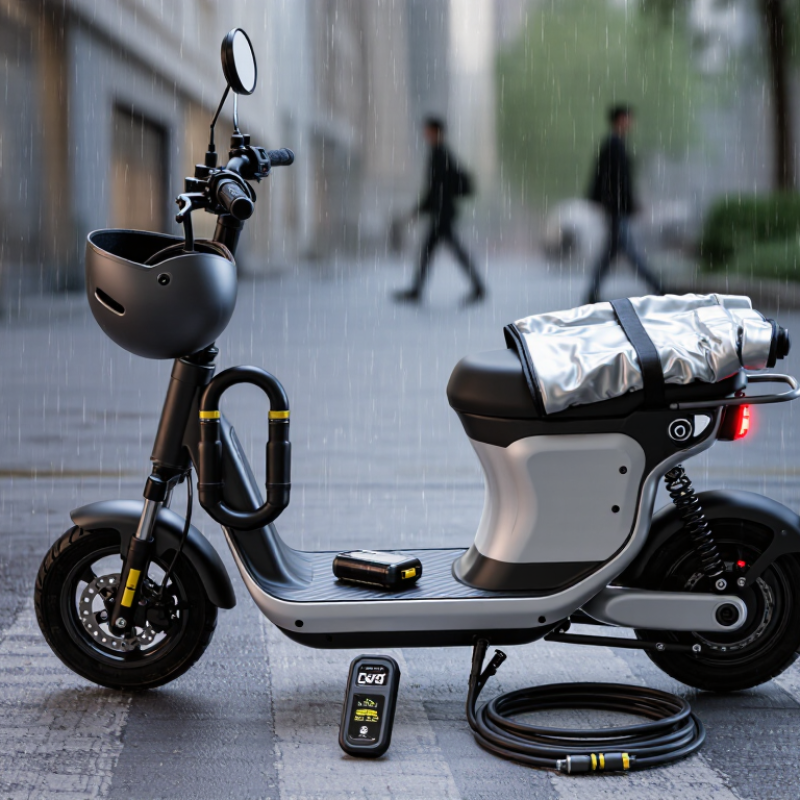
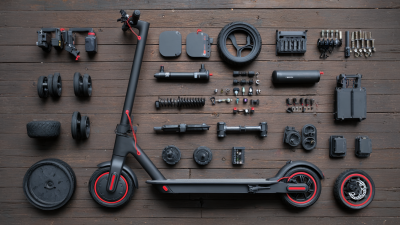
In 2026, a top electric scooter accessory is not merely fashionable. It solves a clear riding problem without adding new risks. A useful accessory should fit securely, preserve steering control, and survive vibration, rain, and daily storage. Compatibility matters. Check mounting points, weight limits, battery use, and charging access before buying. An accessory that blocks lights or folds poorly fails its basic purpose.
Real-world performance separates excellent equipment from clever packaging. A front light needs a stable beam, simple controls, and enough battery life for an entire commute. A phone mount should hold firmly over broken pavement, yet release quickly during parking. Reflective panels, weather-resistant bags, and protective gear can improve visibility and comfort. Materials should resist cracking in cold weather and softening under summer heat. Clear instructions and replaceable parts also suggest responsible design.
I once trusted a tight-looking mount that loosened after several rough rides. It taught me to inspect fasteners, not just photographs. Testing should include braking, turning, folding, and carrying the scooter. No accessory is perfect. Some add protection but create extra weight or wind resistance. Reviews from experienced riders help, but personal fit still matters. A glove that fits your hand may outperform a more expensive model on a cold morning.
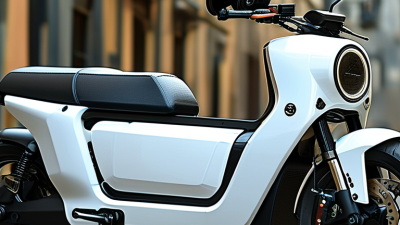
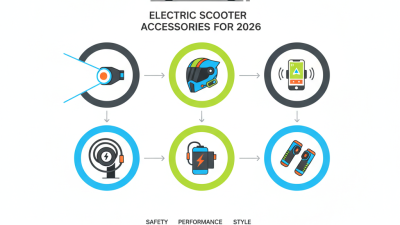
The 2026 top electric scooter accessories should make the rider visible before they add convenience. A certified helmet is essential, especially with a secure chin strap and a snug fit. Look for recognized safety standards, such as CPSC or EN 1078 certification. Add full-finger gloves, knee protection, and impact-resistant eyewear for everyday riding. Fit matters.
Lighting deserves equal attention. Use a steady white front light, a red rear light, and reflective ankle bands or a high-visibility vest. Moving ankle reflections can attract attention better than a fixed patch on a backpack. The U.S. Consumer Product Safety Commission’s 2023 micromobility report estimated 360,800 emergency-department-treated injuries from 2017 through 2022. It also recorded 233 related deaths. These figures combine several micromobility products, so they do not describe scooters alone. Still, they show why visibility and protection deserve priority.
A compact bell, a reliable mirror, and a weatherproof phone mount improve awareness without distracting the rider. Choose a mount that holds firmly over rough pavement, then test it at low speed. I would not rely on a phone screen for navigation in traffic. That is a common mistake. Check lights before every evening ride, and replace weak batteries early. Accessories cannot correct poor speed control, hidden driveways, or careless road positioning. The CPSC data also has limits, but ignoring it would be worse.
| Category | Accessory | Recommended Specification | Primary Safety Benefit | Visibility or Protection Value | Practical Selection Notes |
|---|---|---|---|---|---|
| Rider Protection | Certified Scooter Helmet | Correctly fitted helmet meeting a recognized bicycle or scooter helmet standard, such as CPSC 16 CFR Part 1203, EN 1078, or an equivalent local standard | Helps reduce the risk and severity of head injuries during a fall or collision | Protective shell, energy-absorbing liner, secure retention system, and optional reflective details | Replace after a significant impact or when the manufacturer’s service guidance requires it. A helmet should sit level and remain secure when the chin strap is fastened. |
| Rider Protection | Protective Gloves | Full-finger gloves with abrasion-resistant palm panels, secure wrist closures, and optional impact padding | Protects hands from abrasion and helps maintain grip during sudden braking | Palm padding can reduce pressure and vibration; reflective trim can improve hand visibility at night | Choose a snug fit that allows full brake-lever control without restricting finger movement. |
| Rider Protection | Knee and Elbow Pads | Adjustable pads with impact-absorbing inserts; products marked to a relevant protective-equipment standard, such as EN 1621-1 where applicable | Helps protect joints from impact, scrapes, and contact with rough surfaces | Hard or semi-hard outer shells can provide additional slide resistance | Fasten pads firmly above and below the joint while maintaining normal bending and steering movement. |
| Visibility | Front White Light | Steady or flashing white light with a beam suitable for the riding environment; approximately 300–800 lumens is commonly useful for unlit paths | Improves the rider’s ability to detect surface hazards and helps approaching traffic notice the scooter | Wide beam optics improve side visibility; higher output is useful in dark areas but should not glare into oncoming traffic | Angle the beam toward the road surface rather than directly at eye level. Check local lighting requirements before riding. |
| Visibility | Rear Red Light | Red LED light with steady and flashing modes, securely mounted to the rear of the scooter or rider | Makes the scooter easier for following road users to identify and judge | Flashing modes can attract attention; a steady mode may be preferable where required by local rules | Use a rear light together with reflective material. Confirm that the light remains visible when a backpack or clothing is worn. |
| Visibility | Reflective Vest or High-Visibility Jacket | Fluorescent fabric with retroreflective bands; workwear certified to EN ISO 20471 where that standard is applicable | Improves rider conspicuity in low-light and daytime traffic conditions | Retroreflective strips return vehicle headlights toward the driver, especially at night | Wear the garment over outer layers without covering the reflective areas with a backpack. |
| Visibility | Reflective Ankle and Wheel Tape | Weather-resistant retroreflective tape or bands placed on moving and visible surfaces | Helps other road users recognize a human-powered or micromobility vehicle’s movement | Motion from ankle bands can create a distinctive visual signal in headlights | Apply tape only to clean, dry surfaces and avoid covering lights, reflectors, brake components, or identification markings. |
| Awareness | Bell or Audible Warning Device | Clear audible signal that can be operated without removing a hand from the handlebar | Allows the rider to warn pedestrians and other path users of an approaching scooter | Useful where visual contact is limited, such as shared paths or crowded areas | Use courteously and maintain a safe speed. Some jurisdictions specify the type or use of an audible warning device. |
| Awareness | Handlebar and Rear-View Mirrors | Adjustable mirrors with a stable mounting system and a clear rearward field of view | Improves awareness of approaching vehicles and reduces the need for abrupt head turns | Supports earlier lane-position decisions and smoother merging where permitted | Set mirrors while stationary and still check over the shoulder before changing direction. |
| Weather Protection | Water-Resistant Phone and Map Holder | Secure, vibration-resistant mount with a weather-resistant cover and unobstructed view of the route | Reduces the temptation to hold a phone while riding and keeps navigation visible when stopped or used appropriately | Improves route awareness without blocking lights, controls, or the rider’s view | Do not interact with a phone while moving. Verify that the mount does not interfere with steering or brake cables. |
| Security | Hardened Steel Scooter Lock | Compact U-lock or folding lock with a hardened steel shackle or links and a design compatible with the scooter frame | Discourages opportunistic theft when the scooter is parked | Does not protect the rider while moving, but supports safer parking away from traffic and emergency routes | Lock the frame or an approved structural point to a fixed object. Avoid relying only on the folding mechanism or wheel. |
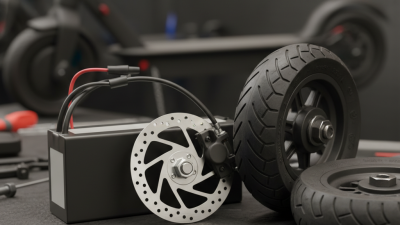
| Maintenance Safety | Portable Tire Pressure Gauge and Pump | Accurate gauge and pump compatible with the scooter’s valve type; follow the pressure range printed on the tire or specified by the manufacturer | Correct tire pressure supports braking, cornering, range, and resistance to pinch-related damage | Properly inflated tires improve stability and help maintain predictable handling | Check pressure when tires are cool and inspect for cuts, embedded objects, or excessive wear before each regular ride. |
What Are the 2026 Top Electric Scooter Accessories?
Smart accessories now focus on comfort, storage, and daily convenience. The NACTO 2023 Shared Micromobility Report recorded 157 million shared trips in the United States. That usage reflects a practical shift toward short, repeated journeys. A weather-resistant phone mount keeps navigation visible without stopping. A compact front bag stores keys, transit cards, and a small charger. Choose adjustable mounts with firm locking points. Loose hardware becomes annoying quickly.
Comfort matters during longer commutes. Ergonomic grips can reduce pressure on the palms, while a wider, shock-absorbing deck may improve stability. A certified front and rear lighting set adds visibility in low-light conditions. The International Energy Agency’s Global EV Outlook 2024 shows continued growth in electric mobility, but scooters still depend on responsible everyday handling. Smart tire-pressure sensors can warn about gradual air loss. That feature sounds minor. It may prevent a rougher, less controlled ride.
Tips: Check accessory weight limits before installation. Keep bags below the handlebar line. Test every mount on a quiet route. Avoid blocking lights, folding joints, or brake controls. I have found that “universal” fittings are not always universal. Measure the stem first, and allow space for gloves in winter. Storage needs also change with weather, so a waterproof inner pouch can be more useful than a larger outer bag.
A daily commuter needs practical protection, not a crowded handlebar. Choose a certified helmet, white front light, red rear light, and a clear bell. Visibility matters. A small waterproof phone mount helps with navigation, but it should not block the display or controls. For office trips, a compact folding lock and weather-resistant storage bag keep equipment manageable. Check local lighting and helmet rules before riding, because requirements differ between cities.
Riders traveling at night should prioritize reflective bands, side markers, and gloves with padded palms. A bright beam is useful, but excessive glare can distract other road users.
For wet conditions, select full-coverage mudguards and sealed storage for keys or charging cables. Avoid loose covers near wheels. They can catch moving parts.
I once used a thin rain cover that shifted during a ride, so I now test every strap at low speed first.
Long-distance users may benefit from a small repair pouch, tire-pressure gauge, portable pump, and comfortable handlebar grips. These accessories support basic roadside adjustments without adding excessive weight. A rear bag should sit securely and stay clear of the brake cable. Suspension comfort also depends on correct tire pressure, not only on extra padding. Some advertised “universal” accessories fit poorly, so measure the stem, deck, and mounting points before buying. My own choices remain imperfect; convenience sometimes wins over lighter weight.
For 2026, useful electric scooter accessories begin with certified lighting, a helmet, a tire-pressure gauge, and a secure phone mount. NACTO’s 2023 Shared Micromobility Report recorded 157 million shared-micromobility trips in the United States. More riding increases the value of visible, correctly installed equipment. Fit comes first. Check it twice.
Compatibility deserves more attention than appearance. Measure the handlebar diameter, stem width, deck space, and available mounting points. Confirm the accessory’s voltage, connector type, weight limit, and weather rating. A powerful light can overload an unsuitable circuit. A loose mount can block the brake lever. CPSC’s 2023 micromobility injury report estimated 233,870 emergency-department injuries from 2017 through 2022. That figure supports careful installation, not accessory panic.
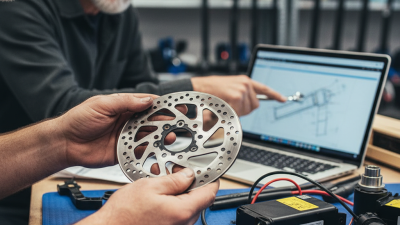
Use the manufacturer’s torque guidance when tightening clamps. Route cables away from folding joints, tires, and sharp edges. Seal exposed electrical connections without trapping moisture. After installation, test braking, steering, lights, and folding movement in a quiet area. Maintenance should include weekly tire checks and monthly fastener inspections. Rechargeable lights need capacity testing, not just a glowing indicator. Replace damaged cables promptly. I would not assume every “universal” accessory is truly universal. Even careful owners miss small clearance problems. Keep the first ride slow, and reconsider the setup after real road vibration. Sources: NACTO, 2023 Shared Micromobility Report; U.S. Consumer Product Safety Commission, Micromobility Products-Related Deaths, Injuries, and Hazard Patterns, 2023.