Top 5 Kid Electric Scooter Options for Safe and Fun Riding?
The rise in popularity of the kid electric scooter is undeniable. These scooters offer a unique blend of fun, speed, and mobility for young riders. Parents often seek options that marry safety with excitement. While the market is full of choices, not all scooters are created equal.
Many factors come into play when selecting a kid electric scooter. Battery life, speed settings, and weight capacity are crucial aspects. A good scooter should be durable and easy to handle for young users. It's essential to consider whether the scooter matches the child's age and skill level. Safety features like brakes and lighting cannot be overlooked.
However, even with the best kid electric scooters, challenges remain. Some scooters may not last as long as expected, raising questions about their reliability. Safety gear is often overlooked, even though it is vital. Parents must educate their kids on safe riding practices. This reflection shows the need for a balanced approach when choosing the right electric scooter for their children.
Understanding the Importance of Safety in Kid Electric Scooters
When considering electric scooters for children, safety must be the top priority.
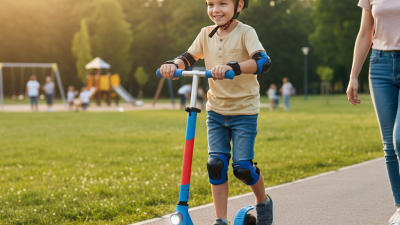
Studies indicate that over 40% of scooter injuries occur among kids aged 5 to 14. These incidents often arise from a lack of protective gear and inadequate adult supervision. Ensuring children wear helmets, knee pads, and elbow pads can reduce injury risk significantly, with proper gear lowering head injuries by 85%.
Another critical factor is the scooter's speed capability. Many electric scooters can reach speeds up to 15 mph. Such speeds can lead to serious injuries if children are not properly trained or supervised. A report from the Consumer Product Safety Commission emphasizes that scooters designed for younger riders should have speed limiters to help maintain safer speeds. Parents are encouraged to look for features like integrated braking systems and stability controls, which enhance safety during rides.
Finally, teaching children safe riding practices is vital. Studies show that kids who receive safety training are more likely to ride responsibly. Encouraging children to understand road rules and respect pedestrians helps create a safer environment. It’s also important for parents to regularly inspect the scooter for wear and tear, ensuring that it remains in good condition. Even minor maintenance can prevent accidents and encourage a longer lifespan for the scooter.
Key Features to Look for in Kid Electric Scooters
When choosing an electric scooter for kids, safety is key. Look for models with sturdy frames and wide decks. These features give children a solid footing. Good balance can prevent accidents. Additionally, weight limits matter. Make sure the scooter can support your child's weight comfortably. This adds extra stability while riding.
Speed control options are also essential. Many scooters come with adjustable speeds. Lower speeds are safer for younger riders. Safety features like hand brakes are necessary too. They allow kids to stop quickly. Consider scooters with lights and reflectors. Visibility is crucial, especially in low light.
Battery life can impact the scooter's fun factor. Some scooters offer longer rides before needing a recharge. It's important to teach kids about battery management. Help them understand how to care for their scooter. Regular maintenance ensures a safe ride. Encourage children to wear helmets. It's a simple way to enhance safety while they enjoy their ride.
Top 5 Kid Electric Scooter Models Reviewed
When it comes to choosing an electric scooter for kids, safety and fun ride top the list of priorities. Research indicates that nearly 30% of parents consider safety features as the most crucial aspect when selecting a scooter for their children. Models equipped with sturdy frames, reliable brakes, and adjustable speeds provide peace of mind. A scooter with a maximum speed of around 15 mph can be both thrilling and manageable for young riders.
Many scooters offer features designed specifically for younger users. A lightweight design allows kids to maneuver easily. Reports show that scooters weighing less than 25 pounds improve overall safety, as they are less likely to tip over. Additionally, safety gear, like helmets, reduces injury risk by 60%. A well-designed scooter should also include a shock-absorption mechanism to handle bumps effectively.
However, older models can pose challenges. Some may have outdated braking systems that do not meet current safety standards. Parents should remain vigilant by reviewing recent safety ratings and user feedback. As the market evolves, many newer models incorporate smart technology for better control and monitoring. This added layer of sophistication may also create a >learning curve for some children, which can be both a delightful and frustrating experience. Balancing safety features with the excitement of riding is key to finding the right fit for kids.
Tips for Teaching Kids Safe Riding Practices
Teaching kids safe riding practices is essential for enjoyable electric scooter experiences. Start by explaining the importance of wearing safety gear. A helmet is crucial. Knee and elbow pads can prevent injuries during falls. Kids should view these items as part of the fun rather than a hassle.
Practice in a safe, open area. Ensure there are no cars or distractions. Have your child familiarize themselves with the scooter's controls. Encourage them to start slow and gradually increase their speed. Discuss the importance of keeping a safe distance from other riders and pedestrians. Reinforce that they must always be aware of their surroundings. Regularly remind them to look both ways before crossing streets.
Encourage good communication. Kids should feel comfortable asking questions about safety. If they feel unsure, they can practice more before trying to ride alone. It's normal for them to feel nervous at first. A little anxiety is a good sign; it shows they are being cautious. Rely on positive reinforcement to build their confidence.
Top 5 Kid Electric Scooter Options for Safe and Fun Riding
| Scooter Model |
Max Speed (mph) |
Range (miles) |
Weight Limit (lbs) |
Recommended Age |
| Model A |
10 |
15 |
120 |
8+ |
| Model B |
8 |
12 |
100 |
7+ |
| Model C |
12 |
20 |
140 |
10+ |
| Model D |
9 |
10 |
110 |
6+ |
| Model E |
11 |
18 |
130 |
9+ |
Maintenance and Care for Electric Scooters for Kids
Electric scooters for kids offer a fun way to explore the outdoors. However, maintaining these scooters is crucial for safety and longevity. Regular upkeep ensures that they remain reliable and enjoyable. Kids, while eager to ride, might not notice wear and tear. This is where parental guidance comes in.
Check the battery regularly. Ensure it holds a charge and does not show signs of swelling. Inspect the tires for proper inflation and any punctures. A flat tire can turn a ride into an accident. Clean the scooter after use, especially if it has been exposed to dirt or water. This prevents rust and corrosion, extending the lifespan of the parts.
Don't overlook the brakes. They are vital for stopping safely. Teach kids to test brakes before each ride. Listen for unusual sounds, which could indicate a problem. It's okay to not catch everything on the first check. Encourage a routine where both kids and parents inspect the scooter together. This builds responsibility and ensures a safe riding experience.
Top 5 Kid Electric Scooter Options for Safe and Fun Riding