Top Electric Scooter Parts You Need for 2025 Performance and Safety
As the popularity of electric scooters continues to rise, the focus on performance and safety is more critical than ever. In 2025, riders will not only expect longer ranges and faster speeds but also a higher standard of safety and reliability. Understanding the essential Electric Scooter Parts is key to achieving these goals. From powerful batteries to efficient braking systems, each component plays a pivotal role in ensuring a smooth and enjoyable ride.
With advancements in technology, the landscape of electric scooter components is evolving. Riders are becoming more discerning about the parts that ensure their safety on the road. This means that knowledge about which Electric Scooter Parts to prioritize can greatly affect both performance and an individual's overall experience. Safety features such as robust tires, advanced lighting systems, and responsive brakes are becoming increasingly vital, reflecting a growing emphasis on rider well-being in this fast-paced movement toward urban mobility.
In this article, we will explore the top Electric Scooter Parts that promise to enhance your riding experience in 2025. By understanding the importance of each component, you can make informed decisions that not only improve performance but also prioritize safety on every journey. Whether you’re a seasoned rider or a newcomer, this knowledge will empower you to ensure that your electric scooter is equipped for the demands of modern urban travel.
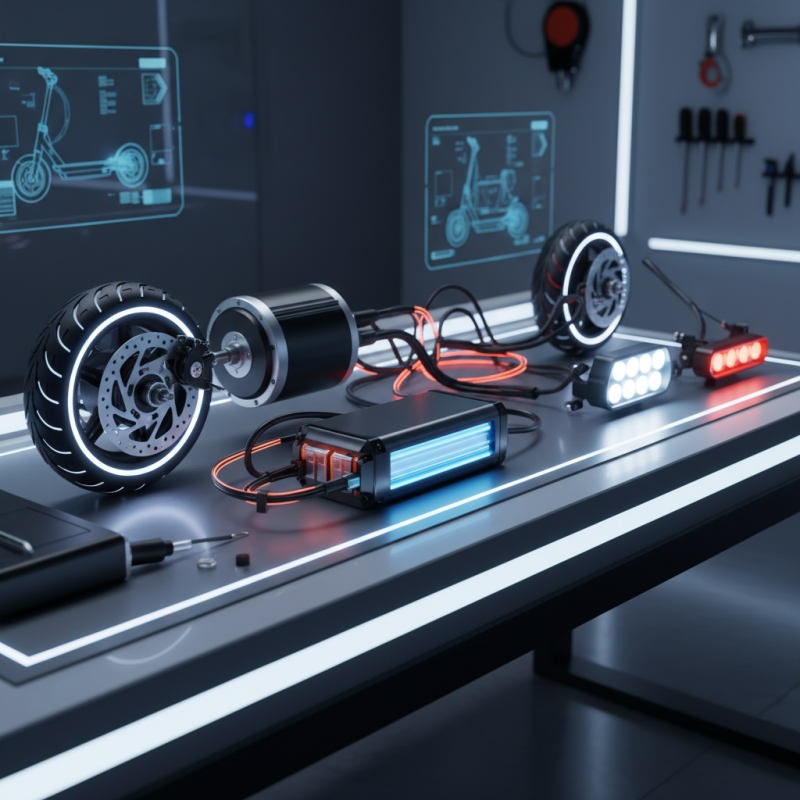
Essential Electric Scooter Components for Enhanced 2025 Performance
When considering essential components for enhanced performance and safety in electric scooters for 2025, the focus should be on several key parts that greatly influence both the riding experience and longevity of the scooter. One of the most critical components is the battery. A high-capacity, lightweight lithium-ion battery not only provides extended range but also ensures consistent power delivery. This improved efficiency translates to a more enjoyable ride, especially for urban commuters who rely on their scooters for daily travel.
Another vital component is the braking system. Advanced braking technologies, such as regenerative braking and hydraulic disc brakes, significantly enhance safety by providing shorter stopping distances and better responsiveness. Additionally, tire quality cannot be overlooked. Investing in puncture-resistant and all-terrain tires can improve traction and stability, making the scooter more adaptable to various riding conditions. By focusing on these essential components, riders can enhance the overall performance and safety of their electric scooters for the 2025 landscape.
Safety Features to Consider for Electric Scooters in 2025
As the popularity of electric scooters continues to rise, safety features are becoming more critical for users seeking a reliable and enjoyable riding experience in 2025. One essential aspect of an electric scooter’s safety is its braking system. Advanced regenerative braking systems not only provide impressive stopping power but also enhance battery efficiency, making them a smart choice for urban commuters. Adding features like anti-lock braking systems (ABS) can further reduce the risk of skidding during sudden stops, ensuring a safer ride on various surfaces.
Another vital safety consideration is visibility. In 2025, electric scooters are expected to incorporate improved lighting systems. High-intensity LED headlights and taillights can significantly increase a rider's visibility during nighttime or low-light conditions, while reflectors strategically placed around the scooter enhance awareness for other road users. Additionally, upgrading to brighter colors or patterns on the scooter frame can serve as an effective way to catch the attention of pedestrians and drivers alike. As urban areas become more congested, incorporating these visibility features will enhance safety and help prevent accidents.
Top Electric Scooter Parts You Need for 2025 Performance and Safety
| Part |
Function |
Safety Features |
Performance Enhancement |
| Battery |
Power supply for the scooter |
Overcharge protection |
Improved range |
| Brakes |
Halts the scooter |
Anti-lock braking system (ABS) |
Shorter stopping distance |
| Tires |
Provides grip and stability |
Puncture resistance |
Improved ride quality |
| Lights |
Visibility and safety |
LED indicators |
Enhanced visibility |
| Frame |
Supporting structure |
Reinforced materials |
Weight reduction |
| Controller |
Regulates motor power |
Smart braking features |
Smooth acceleration |
Upgraded Batteries: Key to Expanding Electric Scooter Range
As electric scooters continue to gain popularity, one of the most critical components driving their performance and range is the battery.
Upgraded battery technology is essential for enhancing the efficiency and longevity of electric scooters, enabling riders to travel farther on a single charge.
The focus on developing lithium-ion batteries with higher energy density has led to lighter and more compact designs, which significantly impacts the scooter's overall weight and portability.
This advancement means that riders can enjoy longer journeys without the constant worry of running out of power.
Moreover, manufacturers are increasingly investing in
smart battery management systems that not only optimize charging speeds but also extend the lifespan of these batteries.
By integrating features like real-time charge monitoring and regenerative braking, these systems ensure that the battery maintains peak performance over time,
making electric scooters more reliable for daily commutes. As we look toward 2025, the importance of upgraded batteries cannot be overstated;
they are poised to revolutionize the electric scooter experience, allowing users to explore urban environments with greater freedom and safety.
Advanced Braking Systems for Improved Scooter Safety and Control
Advanced braking systems are crucial for enhancing the safety and control of electric scooters, especially as we look toward 2025. With the increasing popularity of electric scooters, the need for efficient and reliable braking mechanisms becomes paramount. Contemporary advanced braking systems often integrate features such as regenerative braking and dual braking systems, which not only improve stopping power but also contribute to energy efficiency. Regenerative braking harnesses kinetic energy during deceleration, converting it back into stored electricity, thereby improving the overall performance and prolonging battery life.
Moreover, improved scooter safety hinges on sophisticated technologies such as anti-lock braking systems (ABS) and electronic brake force distribution. ABS prevents wheel lock-up during hard braking, which significantly reduces the risk of skidding and enhances stability. In conjunction with electronic brake force distribution, these systems ensure that braking power is intelligently allocated, optimizing the stability of the scooter during sudden stops or emergency maneuvers. As scooter technology evolves, investing in advanced braking systems will not only enhance the riding experience but also ensure a safer environment for riders and pedestrians alike.
Innovative Tire Technology to Ensure Stability and Comfort in 2025
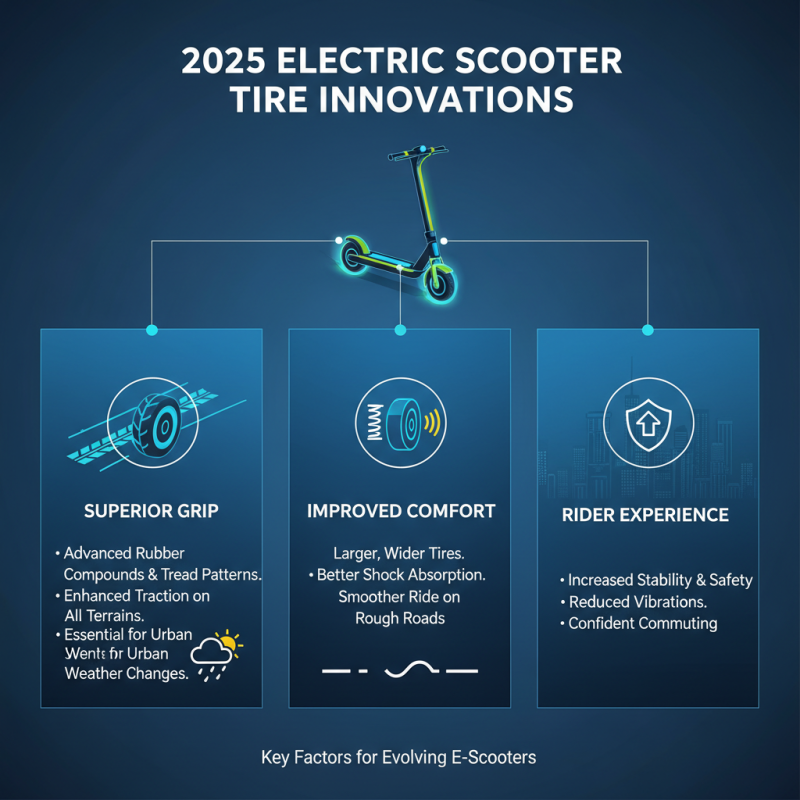
As electric scooters continue to evolve in 2025, innovative tire technology emerges as a crucial factor in enhancing rider stability and comfort. According to industry reports, tire performance directly impacts the overall riding experience. For instance, advanced rubber compounds and tread patterns are being developed to provide superior grip on diverse terrains, which is essential for urban environments prone to sudden weather changes. The use of larger, wider tires has also been shown to improve shock absorption, translating to a more comfortable ride despite road imperfections.
In addition to enhancing grip, emerging technologies like pneumatic and airless tire designs are gaining traction, offering distinct advantages for safety. A report from the International Transport Forum highlights that approximately 30% of scooter accidents are linked to tire-related issues, such as blowouts or loss of traction. By adopting airless tires, manufacturers can minimize the risk of punctures and tire pressure fluctuations, leading to more consistent performance. As urban commuting becomes increasingly popular, prioritizing tire innovation will not only boost rider confidence but also elevate the safety standards within the electric scooter industry.