Top 10 Electric Scooter Battery Types Buyers Should Know?
Understanding electric scooter battery types is crucial for buyers today. With the electric scooter market projected to grow at a CAGR of 7.5% from 2023 to 2030, knowledge about battery options becomes vital. Electric scooter batteries significantly impact performance and range, making informed choices essential.
Different battery chemistries, such as lithium-ion and lead-acid, play a role in the overall efficiency of the scooter. According to industry reports, lithium-ion batteries carry substantial benefits, including lighter weight and longer lifespan compared to their lead-acid counterparts. However, these advanced options typically come with a higher price tag.
While selecting an electric scooter battery, buyers must also consider charging cycles and environmental impact. Some users may overlook the importance of these factors. In doing so, they may choose less suitable battery types that can affect their riding experience. It’s essential to carefully weigh the pros and cons of each type. This guide aims to shed light on the top ten electric scooter battery types that every buyer should know.
Types of Electric Scooter Batteries: An Overview
Electric scooters rely on various battery types, each with unique characteristics. Understanding these is vital for every user. Lithium-ion batteries are popular due to their high energy density. They offer longer ranges and lighter weight than many alternatives. This type can charge quickly and has a long lifespan. However, their cost can be high, making them less accessible for some buyers.
Lead-acid batteries are another option. Typically cheaper, they are heavier and bulkier. Their lifespan is shorter than lithium-ion batteries, often requiring replacements more frequently. Despite this, they can still be a good choice for those on a budget. Nickel-metal hydride (NiMH) batteries serve as a middle ground. They balance cost and performance well, providing decent energy density with longer lifespans than lead-acid.
When choosing a battery type, it's important to consider lifestyle. For frequent commuters, investing in lithium-ion might be wise. For occasional users, lead-acid could suffice. Each battery type has pros and cons, which might lead to future reflections on the best choice. Users should assess their needs carefully to avoid regrets later on.
Top 10 Electric Scooter Battery Types Buyers Should Know
| Battery Type |
Voltage (V) |
Capacity (Ah) |
Range (km) |
Weight (kg) |
Lifespan (cycles) |
| Lithium-ion |
36-48 |
10-30 |
25-50 |
2-5 |
500-2000 |
| Lead Acid |
24-36 |
20-50 |
15-30 |
10-15 |
200-300 |
| Lithium Polymer |
36-48 |
10-20 |
20-40 |
1-3 |
300-500 |
| Nickel Cadmium |
24-36 |
10-30 |
15-25 |
3-5 |
1000-1500 |
| Nickel Metal Hydride |
24-36 |
10-40 |
20-35 |
5-10 |
500-1000 |
| Solid State |
30-50 |
5-15 |
30-60 |
2-4 |
1000-3000 |
| Ultra Capacitor |
12-48 |
2-10 |
10-20 |
0.1-0.5 |
1,000,000+ |
| Zinc-Air |
30-50 |
10-20 |
30-50 |
2-4 |
300-500 |
| Flow Battery |
20-50 |
50-100 |
50-100 |
10-20 |
2000-5000 |
Lithium-Ion Batteries: The Most Popular Choice
Lithium-ion batteries have become the most popular choice for electric scooters. Their lightweight design makes them ideal for daily commuting. Many riders appreciate their efficiency and long lifespan. On average, these batteries last between 3 to 5 years. This longevity can significantly lower replacement costs.
One important aspect to consider is battery management. Proper care can enhance performance. For instance, always charge the battery before it drops below 20%. This not only extends battery life but also ensures reliability on the road. However, not all riders follow these guidelines, leading to early battery failure. Many overlook the importance of keeping batteries clean and dry.
Another point worth noting is the environmental impact. While lithium is widely used, mining it raises concerns. This can lead to habitat destruction and pollution. Although lithium batteries are effective, they are not without flaws. Awareness of these issues is essential for responsible usage. Balancing performance with sustainability remains a challenge for many users.
Lead-Acid Batteries: Cost-Effective but Heavier
Lead-acid batteries have long been a staple in the electric scooter market. Their cost-effectiveness makes them popular among budget-oriented buyers. According to industry reports, they can be up to 50% cheaper than lithium-ion counterparts. This price advantage is attractive, particularly for entry-level scooters. However, this affordability comes with trade-offs.
While lead-acid batteries are dependable, their weight is a significant concern. An average lead-acid battery can weigh over 60 pounds, contributing to the overall heft of the scooter. This bulkiness affects maneuverability and ease of transport. Many users find it cumbersome to lift or store their scooters. Additionally, lead-acid batteries have a shorter lifespan, averaging 300 recharge cycles compared to 500-1,000 cycles for lithium-ion options. This can lead to more frequent replacements, ultimately increasing long-term costs.
The environmental impact of lead-acid batteries cannot be overlooked. Disposal requires careful handling due to toxic materials. Improper disposal poses serious ecological hazards. Some buyers may realize that the cheaper initial investment could lead to larger costs later on. In the pursuit of sustainable options, contemplating battery types is crucial for potential users in the electric scooter market.
Nickel-Cadmium Batteries: High Durability with Downsides
Nickel-Cadmium (NiCd) batteries are known for their durability. They can withstand tough conditions better than many other types. This makes them suitable for various electric scooters. However, they come with significant downsides. One major issue is their memory effect, which can reduce usable capacity over time. Users may find themselves needing to fully discharge the battery before recharging it.
Another concern is environmental impact. Cadmium is a toxic metal that poses recycling challenges. Proper disposal is essential to avoid environmental contamination. Furthermore, despite offering reliable performance, NiCd batteries can be heavier than alternatives like lithium-ion. This added weight can affect the overall design and portability of the scooter.
While they provide longevity, the trade-offs are clear. Their durability and robust performance may appeal to some users. However, environmental implications and weight should be considered carefully. Finding the right battery type involves balancing durability with practicality. An informed choice can lead to a better riding experience, emphasizing the importance of understanding battery options.
Solid-State Batteries: The Future of Electric Scooter Power
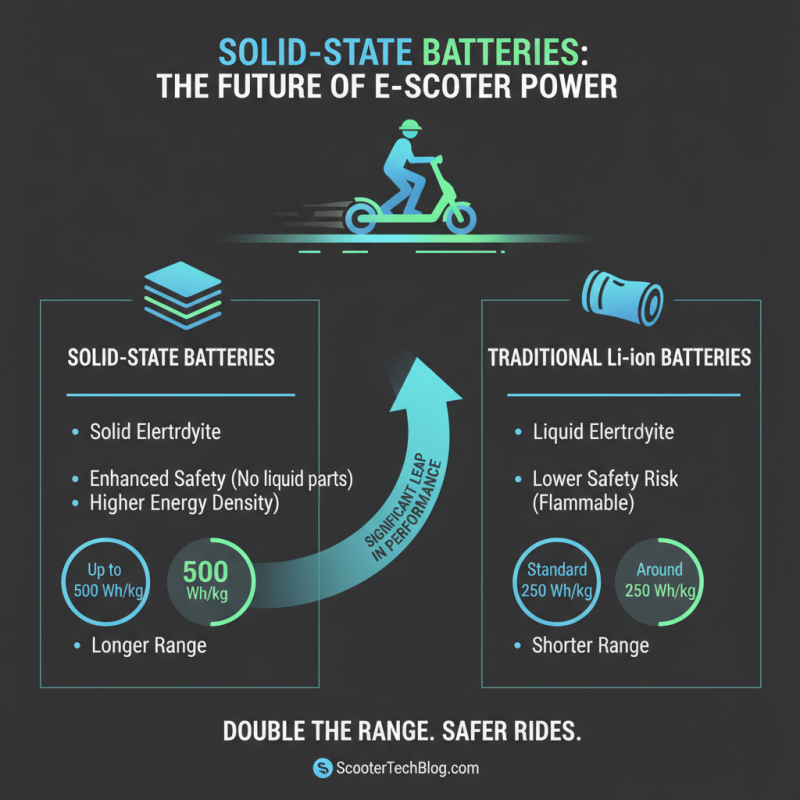
Solid-state batteries are gaining attention as a promising technology for electric scooters. Unlike traditional lithium-ion batteries, solid-state designs use a solid electrolyte, which significantly enhances safety and energy density. Reports suggest that these batteries can achieve energy densities of up to 500 Wh/kg. This is a significant leap compared to the 250 Wh/kg typically found in conventional batteries. Such improvements could allow scooters to travel longer distances on a single charge, making them more appealing to users.
One major benefit of solid-state technology is its stability. These batteries are less prone to overheating, a common issue with liquid electrolyte systems. According to a study by the International Energy Agency, a shift to solid-state batteries could reduce electrical fires in electric vehicles by nearly 40%. However, challenges remain. Currently, production costs are high, and scalability is an issue. Manufacturers are still figuring out how to mass-produce these batteries efficiently.
Some industry experts express skepticism about the timeline for widespread adoption. Critics argue that while solid-state technology is impressive, it is not yet ready for the market. Reports indicate that full commercialization may take another five to ten years. Until then, electric scooter consumers should remain informed and cautious as the battery landscape evolves.