Top 10 Electric Motorcycles and Scooters: The Ultimate Buyer’s Guide
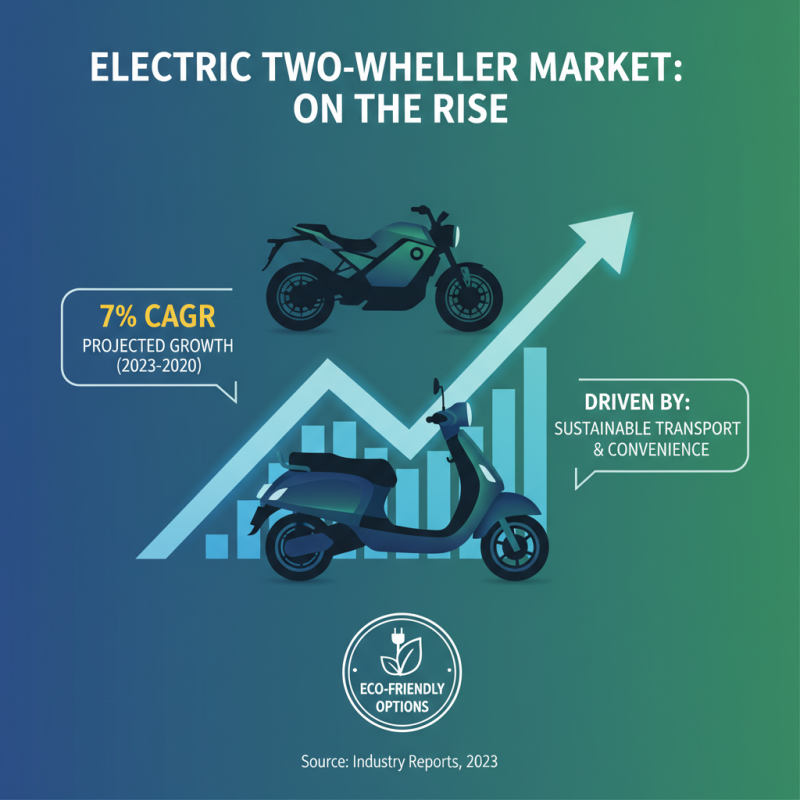
The electric motorcycle and scooter market is experiencing rapid growth. According to a recent report by Research and Markets, the global electric motorcycle market is expected to exceed $24 billion by 2027. This surge is driven by innovation, environmental awareness, and rising fuel costs. As cities prioritize clean transportation, electric motorcycles and scooters are becoming more popular.
Electric Motorcycles Scooter offer a unique blend of performance and sustainability. Many riders appreciate their eco-friendly nature. However, they face challenges. Battery life and charging infrastructure often limit long-distance travel. Riders also worry about the higher upfront costs compared to gasoline options. It’s crucial to consider various factors before making a purchase. The market is still evolving, and not all models live up to expectations.
In this ultimate buyer's guide, we delve into the top electric motorcycles and scooters available today. Whether you seek speed, range, or affordability, there is a model for everyone. Researching your options will help you find the perfect ride. Be prepared to navigate a landscape that is full of potential yet still has areas for improvement.
Overview of Electric Motorcycles and Scooters
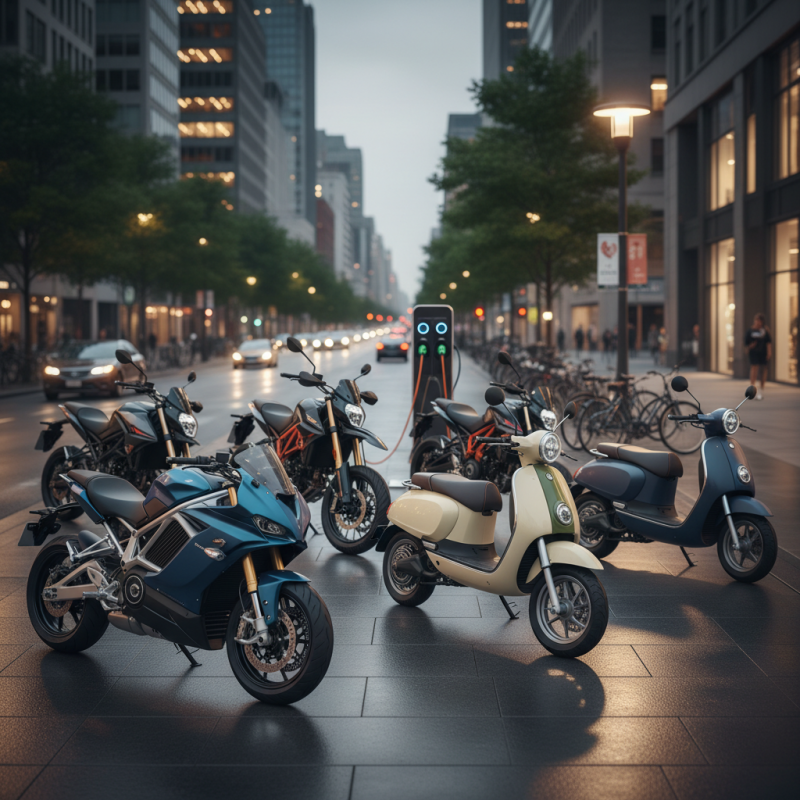
The electric motorcycle and scooter market is booming. Recent reports show that sales are projected to grow at a compound annual growth rate (CAGR) of over 7% through 2030. This surge is driven by the demand for sustainable transportation. Riders seek eco-friendly options that also offer convenience.
When considering electric scooters, battery life is crucial. Most models provide a range of 40 to 100 miles on a single charge. Choose models with fast charging capabilities. Yet, be aware of potential battery degradation over time. Regular maintenance helps prolong battery life.
In the realm of electric motorcycles, speed and performance vary significantly. Some can reach speeds up to 120 mph, appealing to thrill-seekers. However, many struggle with thermal management issues. This can lead to overheating during extended rides. Consider test rides before making a decision.
Tips for buyers: Focus on understanding charging infrastructure in your area. Check local regulations regarding electric vehicles. Look for models that align with both your commuting needs and safety standards. Don’t overlook comfort features either. A comfortable ride can make a significant difference in your daily commute.
Key Features to Consider When Buying Electric Two-Wheelers
When considering electric two-wheelers, several key features demand attention. Range is crucial. You want a model that can take you far on a single charge. Many riders look for a range of at least 50 miles. This distance comfortably covers daily commuting needs. But be wary; actual range may vary due to riding conditions and style.
Battery types and charging options also matter. Lithium-ion batteries are popular for good reasons. They are efficient and often lightweight. However, charging time can be a pain. Some models take hours to recharge fully. A fast-charging option can greatly ease this inconvenience. Another aspect is weight. A lighter vehicle is easier to handle, especially in urban settings. Think about your parking and storage situation too.
Lastly, performance specs can be daunting. Top speed, acceleration, and handling all impact your riding experience. However, these figures should not solely define your choice. Real-world experiences often reveal challenges like stability in windy conditions. Reflect on your needs and environment. The perfect bike or scooter may require a bit of compromise.
Top 10 Electric Motorcycles and Scooters: The Ultimate Buyer’s Guide
| Model |
Range (miles) |
Top Speed (mph) |
Charging Time (hrs) |
Weight (lbs) |
Price ($) |
| Electric Model A |
100 |
75 |
4 |
350 |
12,000 |
| Electric Model B |
80 |
65 |
3 |
300 |
10,500 |
| Electric Model C |
120 |
80 |
5 |
360 |
15,000 |
| Electric Model D |
90 |
70 |
2.5 |
280 |
11,000 |
| Electric Model E |
140 |
85 |
6 |
380 |
16,500 |
| Electric Model F |
60 |
60 |
1.5 |
250 |
9,000 |
| Electric Model G |
75 |
68 |
2 |
290 |
10,000 |
| Electric Model H |
110 |
90 |
4.5 |
340 |
14,000 |
| Electric Model I |
95 |
72 |
3.5 |
320 |
12,500 |
| Electric Model J |
97 |
75 |
2 |
310 |
11,800 |
Top 10 Electric Motorcycles: A Comparison of Leading Models
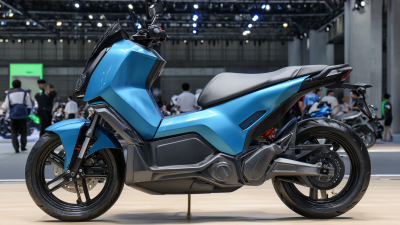
When exploring the top electric motorcycles, several models stand out. Each offers unique features that cater to different needs. For city commuting, some are lightweight and agile. They weave through traffic easily and provide a smooth ride. Others are designed for long-distance travel. These models boast larger batteries and better range. A longer journey becomes feasible without frequent charging stops.
Performance varies significantly between models. Some deliver impressive acceleration, while others prioritize comfort and stability. Riders often find that the seat height and weight distribution affect handling. It's essential to test ride different options to see which feels best for you. Charging time can also be a downside. Some bikes take longer to recharge than anticipated, limiting spontaneity.
The design of electric motorcycles adds to their charm. Sleek lines and modern aesthetics appeal to many. However, not all designs are practical. Some models overlook storage space. Riders may find limited room for helmets or personal items. Reflect on what you truly value. Ultimately, the perfect choice balances performance, design, and practicality.
Top 10 Electric Motorcycles and Scooters: Power and Range Comparison
This chart compares the power output (in kW) and range (in miles) of the top electric motorcycles and scooters. This information can help potential buyers evaluate which model is best suited for their needs.
Top 10 Electric Scooters: Performance and Design Analysis
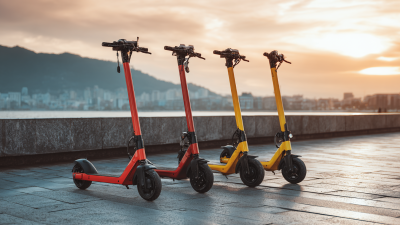
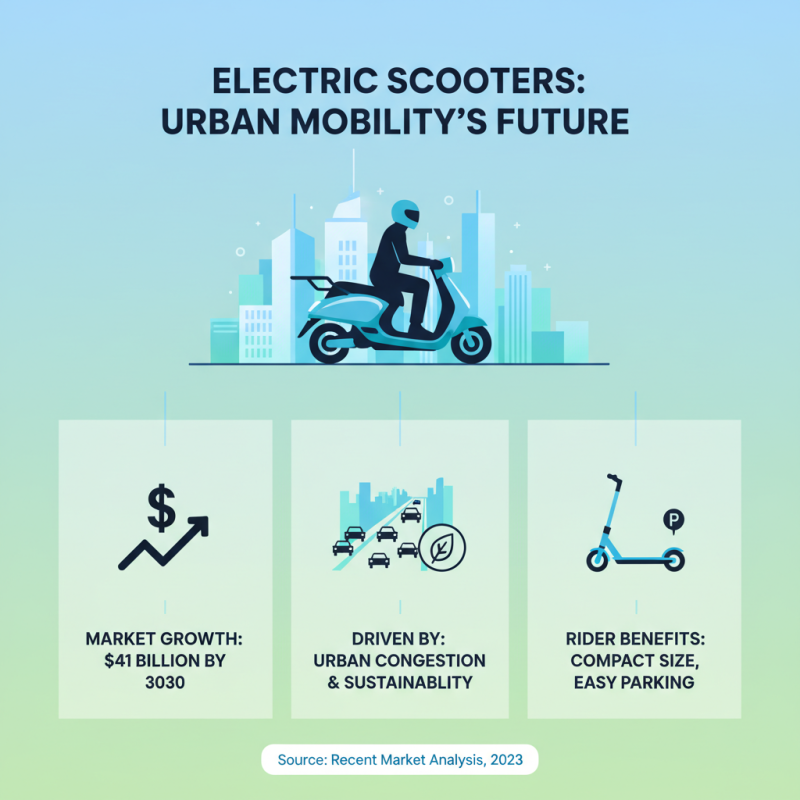
Electric scooters are transforming urban mobility. A recent market analysis indicated that the electric scooter segment is projected to reach $41 billion by 2030. Increased demand is due to rising urban congestion and a push for sustainable transport options. Many riders appreciate the compact size of electric scooters for easy parking and handling.
Performance is key when choosing an electric scooter. Most models offer speeds around 15 to 25 mph. Battery life varies significantly. Some scooters can travel up to 40 miles on a single charge, while others may only cover 15 miles. Not all scooters are designed for steep hills. Riders should consider their environment when selecting a model. The design is equally important. Lightweight materials enhance portability, while robust frames improve safety.
While many scooters feature advanced technology, not all are user-friendly. Some operators report issues with app connectivity. Performance can fluctuate in different weather conditions, a concern for daily commuters. As the market grows, manufacturers should prioritize addressing these challenges to offer better user experiences. Overall, understanding these factors can lead to more informed decisions for potential buyers.
Tips for Maintaining Your Electric Motorcycle or Scooter
Maintaining your electric motorcycle or scooter is essential for longevity. Regular inspections can prevent minor issues from becoming serious. Check the battery health often. A charged battery should hold power well. Monitor tire pressure and tread. Low pressure can reduce efficiency.
Cleaning is another vital aspect. Remove dirt and grime regularly. Focusing on the electrical components is crucial. Ensure connections are tight and free from corrosion. It’s easy to overlook, but this can lead to unexpected failures.
Occasionally, give your vehicle a thorough check-up. Listen for unusual sounds or vibrations. These can be signs of deeper issues. Addressing them early can save money and hassle. Remember, a well-maintained vehicle enhances your riding experience.