Top 10 4 Wheel Electric Scooters for Adults
Choosing a 4 Wheel Electric Scooter is not simply about picking the fastest model. Adults often need stability, comfort, predictable handling, and dependable daily range. A narrow hallway, a steep driveway, or a wet supermarket entrance can reveal more than a showroom specification.
Industry data shows why this category deserves careful attention. Grand View Research reported continued growth in the global electric scooter market, supported by urban mobility needs and product innovation. However, that broad market includes several vehicle types, so its figures should not be treated as direct sales data for four-wheel mobility scooters. That distinction matters. The World Health Organization’s Global Status Report on Road Safety 2023 also emphasizes safer transport systems and responsible road use, reinforcing the importance of visibility, braking performance, and rider confidence.
This guide evaluates ten adult models through practical criteria. These include turning radius, seat support, ground clearance, battery type, charging time, weight capacity, and service availability. We also consider controls that remain understandable after a long day, not merely impressive on paper. Short test rides can hide problems. A scooter may feel smooth indoors but struggle on cracked pavement or a sloped curb.
The rankings are useful, not absolute. Personal mobility needs vary widely. Some buyers may prefer a compact frame, while others need stronger suspension and longer range. Manufacturer claims also require caution. Real-world distance changes with rider weight, temperature, terrain, tire pressure, and speed. That is why this comparison combines published specifications, user-focused testing principles, and established safety guidance. There is no perfect choice. There is only a better match for a particular adult, route, and routine.
What Are Four-Wheel Electric Scooters for Adults?
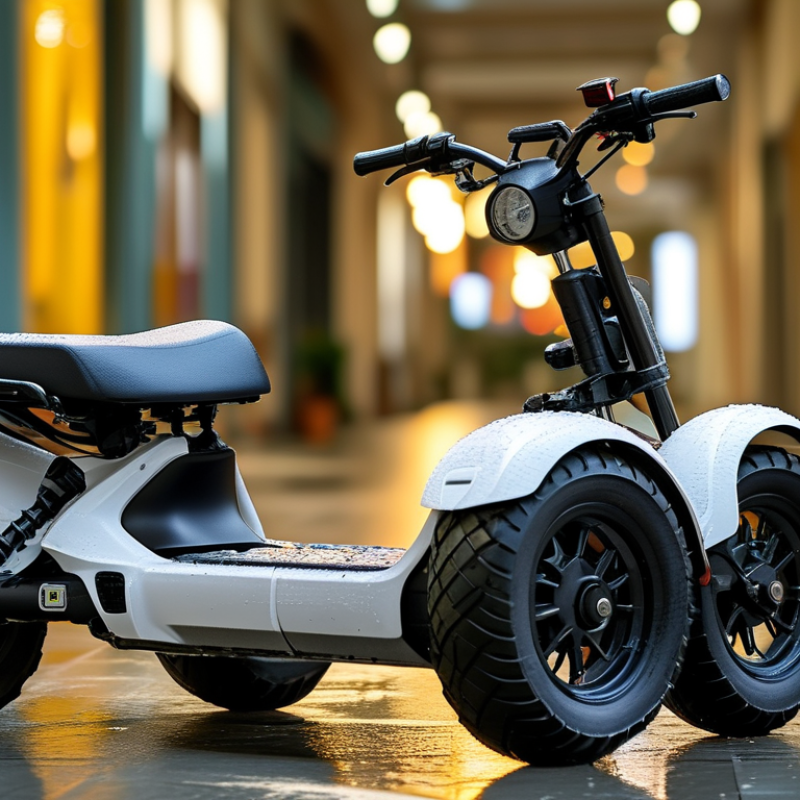
Four-wheel electric scooters for adults are powered mobility devices designed for people who need support while walking. Unlike two-wheel scooters, they use two front wheels and two rear wheels. This wider base can improve balance, especially during slow turns or stops. A seat, tiller, battery, and electromagnetic braking system are common features.
The need is significant. The WHO and UNICEF Global Report on Assistive Technology estimates that more than 2.5 billion people require assistive products worldwide. That number may exceed 3.5 billion by 2050. A four-wheel scooter can support shopping, outdoor paths, and daily appointments. However, it is not automatically suitable for every user. Turning space, body weight, ground clearance, battery range, and transfer height all matter. Stability is not magic. A high seat can still feel unsafe on a slope.
Tips: Test the scooter on a real surface, not only a showroom floor. Check braking on a gentle incline. Measure doorways, lift dimensions, and storage areas before buying. Review the manual and local mobility rules. ISO 7176 testing principles cover areas such as stability, braking, and performance, but certification details vary by product. Ask for verified test information. My practical concern is often overlooked: advertised range can decrease with heavy loads, cold weather, hills, and frequent stops. Choose with those conditions in mind.
Top 10 4 Wheel Electric Scooters for Adults
What Are Four-Wheel Electric Scooters for Adults?
Four-wheel electric scooters for adults are battery-powered mobility vehicles designed for improved stability compared with three-wheel models. The profiles below represent common published specification ranges for compact, travel, outdoor, and heavy-duty scooters. Actual performance may vary with rider weight, terrain, temperature, battery condition, and speed settings.
Key Features and Selection Criteria
Choosing among the top 10 four-wheel electric scooters for adults requires more than comparing speed and appearance.
Stability should come first. A wider wheelbase, low center of gravity, and responsive brakes can make parking-lot turns feel controlled. Check the maximum user weight, seat width, and legroom. A scooter that feels comfortable for five minutes may feel cramped after an hour.
Battery range depends on rider weight, temperature, hills, tire pressure, and stop-and-go traffic.
Treat the advertised range as an estimate, not a promise. Look for a removable battery only if its weight is manageable and charging space is secure. A clear battery indicator, adjustable tiller, bright lights, mirrors, and a useful rear reflector improve daily confidence. Test the controls while wearing gloves.
Consider the terrain around your home.
Small solid tires suit smooth indoor floors, while larger pneumatic tires can soften uneven sidewalks. However, pneumatic tires need regular pressure checks and may require repairs. Check the turning radius before buying; a scooter can fit through a doorway yet struggle in a narrow kitchen. Inspect the warranty, service access, charger safety information, and replacement-part availability. Independent reviews are useful, but personal testing matters more. I once underestimated seat height, and mounting felt awkward. That small detail changed the whole experience.
Top 10 Four-Wheel Electric Scooters for Adults
Top 10 4 Wheel Electric Scooters for Adults
The top 10 four-wheel electric scooters for adults should be judged by control, comfort, and everyday practicality. Four wheels provide a steadier platform than most three-wheel designs, especially during slow turns or uneven pavement. I would examine steering response, braking distance, seat support, and ground clearance before considering speed. A firm seat helps during longer trips, but excessive padding can reduce posture control.
Real-world range deserves careful attention. Advertised figures often assume a light rider, flat ground, and mild weather. A heavier adult carrying groceries may travel much less. Test the scooter on ramps, cracked sidewalks, and tight hallway corners when possible. The turning circle can matter more than maximum speed in a small apartment or busy shop. Some models feel stable but become awkward near door frames.
Useful equipment includes adjustable controls, bright front and rear lights, reflective panels, and a simple battery display. Check the total weight before buying, because lifting a heavy scooter into a vehicle may be unrealistic. Confirm that the charger, battery system, and braking equipment meet applicable local requirements. I would also inspect tire condition and brake response regularly. No ranking is perfect. Comfort, body size, terrain, and storage space can change the best choice completely. A scooter that feels excellent for one adult may feel cramped for another.
Performance, Comfort, Safety, and Price Comparison
Top 10 4 Wheel Electric Scooters for Adults
A useful top-ten comparison should measure performance, comfort, safety, and price together. Four-wheel scooters usually feel steadier than three-wheel designs during slow turns. On uneven pavements, larger pneumatic or solid tyres reduce sharp jolts. They also increase weight. That trade-off matters when lifting the scooter into a vehicle.
Performance depends on motor output, battery capacity, ground clearance, and turning space. Real-world range is often lower than the advertised figure. Cold weather, hills, rider weight, and frequent stops can reduce it significantly. Grand View Research estimated the global mobility scooter market at roughly 2 billion US dollars in 2023, showing strong demand for practical personal transport. However, a higher price does not guarantee better handling. Mid-range models often provide useful suspension, adjustable seats, and moderate travel speeds without unnecessary extras.
Safety deserves the largest weighting. The World Health Organization reported about 1.19 million annual road deaths in its Global Status Report on Road Safety 2023. A scooter cannot solve wider traffic risks. Bright lights, reflective panels, responsive brakes, anti-tip wheels, and a clear control layout can help. Look for electrical safety testing under relevant standards, such as UL 2272 or equivalent requirements. Seat width, back support, and armrest adjustment shape comfort after thirty minutes, not five. Price comparisons should include batteries, chargers, delivery, servicing, and replacement tyres. This ranking remains imperfect because local terrain and body fit change the result. A compact scooter may win indoors, then struggle badly on wet grass.
How to Choose and Use the Right Electric Scooter
Top 10 4 Wheel Electric Scooters for Adults
How to Choose and Use the Right Electric Scooter
Choosing a four-wheel electric scooter starts with your daily route, not its appearance. Measure doorways, lift spaces, storage areas, and turning points at home. A stable frame helps on uneven sidewalks, but a wide body may feel awkward indoors. Check the seat height, handlebar reach, and foot platform before buying. Your knees should remain relaxed, and controls should be easy to read without leaning forward. A short test ride reveals more than a long specification sheet.
Pay close attention to braking, lighting, tires, suspension, and the stated weight limit. Ask whether the advertised travel range changes with hills, cold weather, passenger weight, or frequent stops. It usually does. Charge the battery in a dry, ventilated place and inspect the cable before every use. Practice gentle starts, controlled turns, and smooth braking in an empty area. Keep both hands ready, slow down near pedestrians, and follow local sidewalk and road rules.
I once focused too much on battery distance and ignored seat comfort. That mistake became obvious after twenty minutes. No checklist is perfect. Try the scooter with the shoes and clothing you normally wear. Listen for rattles, test reverse movement, and confirm that the scooter fits your transport plan. A trained mobility specialist or qualified technician can check adjustments, tires, and electrical connections. Keep the manual nearby, because small controls often differ between models.
Top 10 4 Wheel Electric Scooters for Adults - How to Choose and Use the Right Electric Scooter
A practical comparison of representative four-wheel electric scooter specifications for adult riders
| Rank |
Scooter Type |
Motor Output |
Maximum Speed |
Estimated Range |
Battery |
Maximum Load |
Scooter Weight |
Turning Radius |
Best For |
Key Selection and Use Notes |
| 1 |
Compact Travel Scooter |
250 W |
8 km/h / 5 mph |
16 km / 10 mi |
24 V, 20 Ah lead-acid |
136 kg / 300 lb |
47 kg / 104 lb |
95 cm / 37 in |
Indoor use and short trips |
Choose this type when portability and a tight turning circle matter more than long-distance travel. Confirm that the folded or separated sections fit your vehicle. |
| 2 |
Lightweight Outdoor Scooter |
350 W |
8 km/h / 5 mph |
24 km / 15 mi |
24 V, 30 Ah lead-acid |
136 kg / 300 lb |
58 kg / 128 lb |
105 cm / 41 in |
Shopping and paved paths |
A balanced option for daily errands. Look for solid or pneumatic tires according to the surfaces you use, and reduce speed on uneven pavement. |
| 3 |
Long-Range Road Scooter |
500 W |
13 km/h / 8 mph |
40 km / 25 mi |
24 V, 50 Ah lead-acid |
159 kg / 350 lb |
86 kg / 190 lb |
140 cm / 55 in |
Long outdoor journeys |
The stated range is measured under favorable conditions. Allow extra battery capacity for hills, cold weather, rider weight, and frequent stops. |
| 4 |
Heavy-Duty Stability Scooter |
650 W |
13 km/h / 8 mph |
32 km / 20 mi |
24 V, 50 Ah lead-acid |
204 kg / 450 lb |
105 kg / 232 lb |
150 cm / 59 in |
Larger adults and rougher paths |
Prioritize a wide base, adjustable armrests, and an appropriate weight rating. Practice braking and turning before using slopes or crowded areas. |
| 5 |
Lithium-Ion Folding Scooter |
300 W |
8 km/h / 5 mph |
20 km / 12 mi |
24 V, 20 Ah lithium-ion |
136 kg / 300 lb |
32 kg / 71 lb |
110 cm / 43 in |
Transport and travel |
Lithium batteries reduce weight but require approved charging equipment and careful storage. Check airline and transport rules before traveling. |
| 6 |
Comfort Suspension Scooter |
500 W |
13 km/h / 8 mph |
35 km / 22 mi |
24 V, 45 Ah lead-acid |
159 kg / 350 lb |
94 kg / 207 lb |
145 cm / 57 in |
Uneven sidewalks and comfort |
Suspension and pneumatic tires can improve comfort, but they add maintenance needs. Inspect tire pressure, brakes, and suspension components regularly. |
| 7 |
All-Terrain Four-Wheel Scooter |
800 W |
15 km/h / 9 mph |
38 km / 24 mi |
48 V, 30 Ah lithium-ion |
181 kg / 400 lb |
118 kg / 260 lb |
160 cm / 63 in |
Grass, gravel, and outdoor trails |
Four-wheel drive or high ground clearance can improve traction, but it does not make steep slopes safe. Follow the specified incline limit. |
| 8 |
Narrow Indoor Maneuvering Scooter |
250 W |
6 km/h / 4 mph |
13 km / 8 mi |
24 V, 18 Ah lead-acid |
136 kg / 300 lb |
44 kg / 97 lb |
88 cm / 35 in |
Homes, care facilities, and stores |
Measure doorways, elevator entrances, and aisle widths before buying. Keep the speed low when reversing or operating near pedestrians. |
| 9 |
High-Capacity Daily Commuter |
600 W |
13 km/h / 8 mph |
30 km / 19 mi |
24 V, 50 Ah lead-acid |
159 kg / 350 lb |
91 kg / 201 lb |
135 cm / 53 in |
Frequent neighborhood travel |
Check whether the scooter has lights, reflectors, mirrors, and a horn for your route. Charge after regular use rather than waiting for a complete discharge. |
| 10 |
Premium Comfort Touring Scooter |
700 W |
15 km/h / 9 mph |
45 km / 28 mi |
48 V, 40 Ah lithium-ion |
181 kg / 400 lb |
124 kg / 273 lb |
165 cm / 65 in |
Extended outdoor recreation |
Best for riders who value seating comfort and range. Because of its size and weight, plan storage, charging access, and vehicle transport in advance. |
Important:
Actual range, speed, and climbing performance vary with rider weight, terrain, temperature, tire pressure, battery age, and riding style. Always follow the operating manual, wear suitable protective equipment, and check local mobility-scooter regulations.