Exploring the Future of Urban Mobility: How Electric Scooters Are Changing the Way We Travel
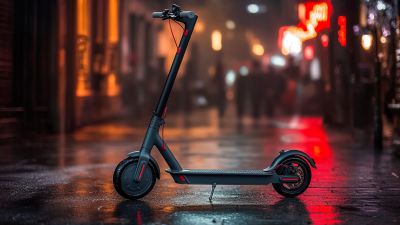
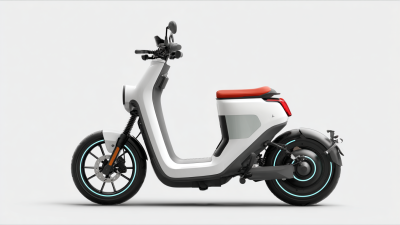
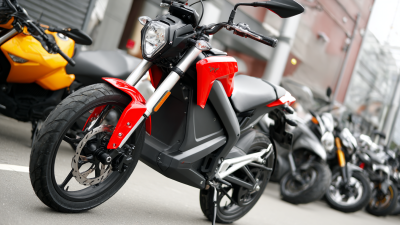
As urban areas continue to grapple with increasing congestion and pollution, the future of urban mobility has become a pressing topic among city planners and residents alike. Electric scooters have emerged as a viable solution, offering a convenient and eco-friendly alternative to traditional modes of transportation.
According to a report by the International Energy Agency, shared e-scooter services have grown significantly, with over 100 million rides reported in 2020 alone, reflecting their burgeoning popularity and potential to reshape urban landscapes.
Furthermore, the global electric scooter market is projected to reach $41 billion by 2028, indicating a sustained trend towards micro-mobility solutions.
This article explores how electric scooters are not just transforming individual travel experiences, but also fostering more sustainable urban environments and changing the very fabric of how we navigate our cities.
The Rise of Electric Scooters in Urban Areas: Market Growth and Trends
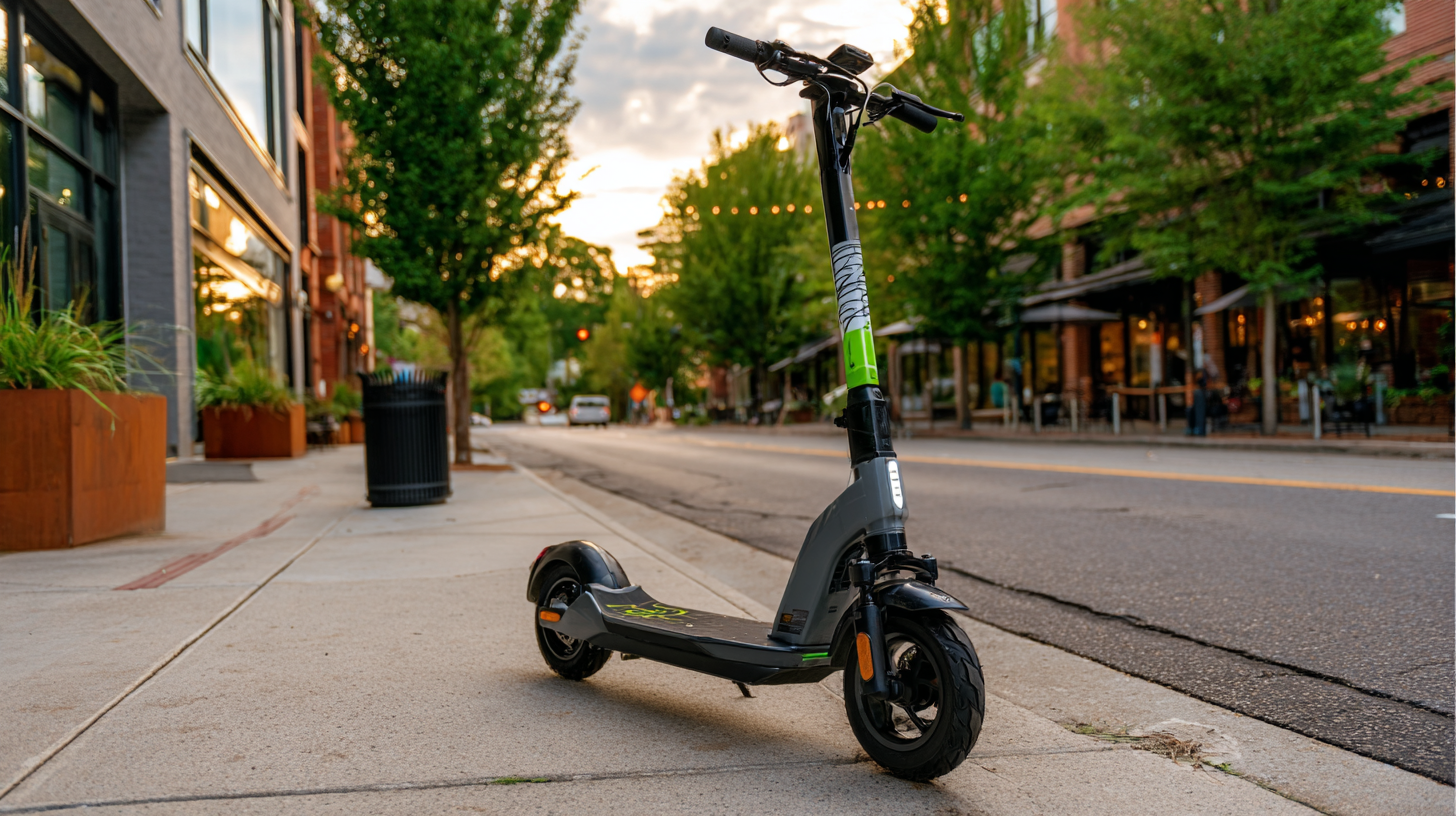
The rise of electric scooters in urban areas marks a significant shift in how we approach mobility within crowded city environments. As congestion and pollution become increasingly pressing issues, cities are turning to electric scooters as a viable mode of transportation. The convenience of these scooters, paired with robust technological advancements, has driven their popularity, with market growth reflecting the changing preferences of urban commuters. Reports indicate that the electric scooter market is expected to see significant expansion, fueled by the growing acceptance of micromobility solutions.
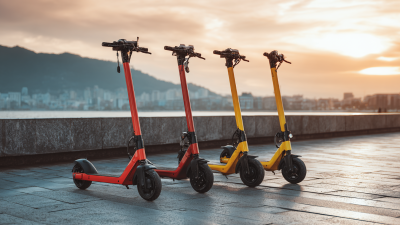
Trends in urban mobility are leaning towards sustainable, eco-friendly options, with electric scooters at the forefront. Cities are investing in infrastructure to support this trend, including dedicated lanes and parking spaces. Additionally, the variety of rental models available—from docked systems to app-based rentals—has made access to electric scooters easier than ever. As more individuals choose scooters over cars for short-distance travel, the implications for urban planning and air quality are profound, suggesting a future where electric scooters play an integral role in reshaping urban landscapes.
Exploring the Future of Urban Mobility: How Electric Scooters Are Changing the Way We Travel
| Year |
Market Size (in Billion USD) |
Annual Growth Rate (%) |
Number of Users (in Millions) |
Number of Cities with E-Scooter Services |
| 2018 |
1.5 |
35 |
5 |
50 |
| 2019 |
2.0 |
33 |
7 |
70 |
| 2020 |
3.0 |
50 |
12 |
100 |
| 2021 |
4.5 |
40 |
18 |
150 |
| 2022 |
6.0 |
33 |
25 |
200 |
| 2023 |
8.5 |
42 |
35 |
250 |
| 2024 (Projected) |
10.0 |
18 |
45 |
300 |
Impact of Electric Scooters on Urban Traffic Congestion Reduction
Electric scooters have emerged as a transformative mode of transportation in urban areas, offering a practical and eco-friendly solution to the daily commute. With increasing urban population and rising traffic congestion, electric scooters provide a much-needed alternative to traditional vehicles, reducing the number of cars on the road. Studies indicate that adopting electric scooters can lead to significant decreases in traffic volume, as they occupy less space and require fewer resources compared to conventional transportation methods.
Furthermore, the convenience of electric scooters encourages short-distance travel, making them an ideal choice for urban dwellers who need to navigate through traffic quickly. This shift not only eases congestion but also contributes to lower emissions, promoting a cleaner urban environment. As more cities integrate electric scooter-sharing programs, the impact on traffic dynamics becomes increasingly positive, fostering a culture of shared mobility and reducing the reliance on personal cars. The rise of electric scooters ultimately reflects a broader movement towards sustainable urban transit solutions, making cities more livable and accessible for everyone.
Electric Scooters and Environmental Sustainability: The Shift Towards Greener Cities
Electric scooters are not just reshaping urban mobility; they are becoming a cornerstone for environmental sustainability in cities aiming for greener futures. By replacing short car trips, electric scooters significantly reduce CO₂ emissions and energy consumption, making them an eco-friendly alternative for urban transport. As cities increasingly adopt shared e-scooter programs, they promote not just individual convenience, but also collective environmental benefits, easing traffic congestion and lowering air pollution levels.
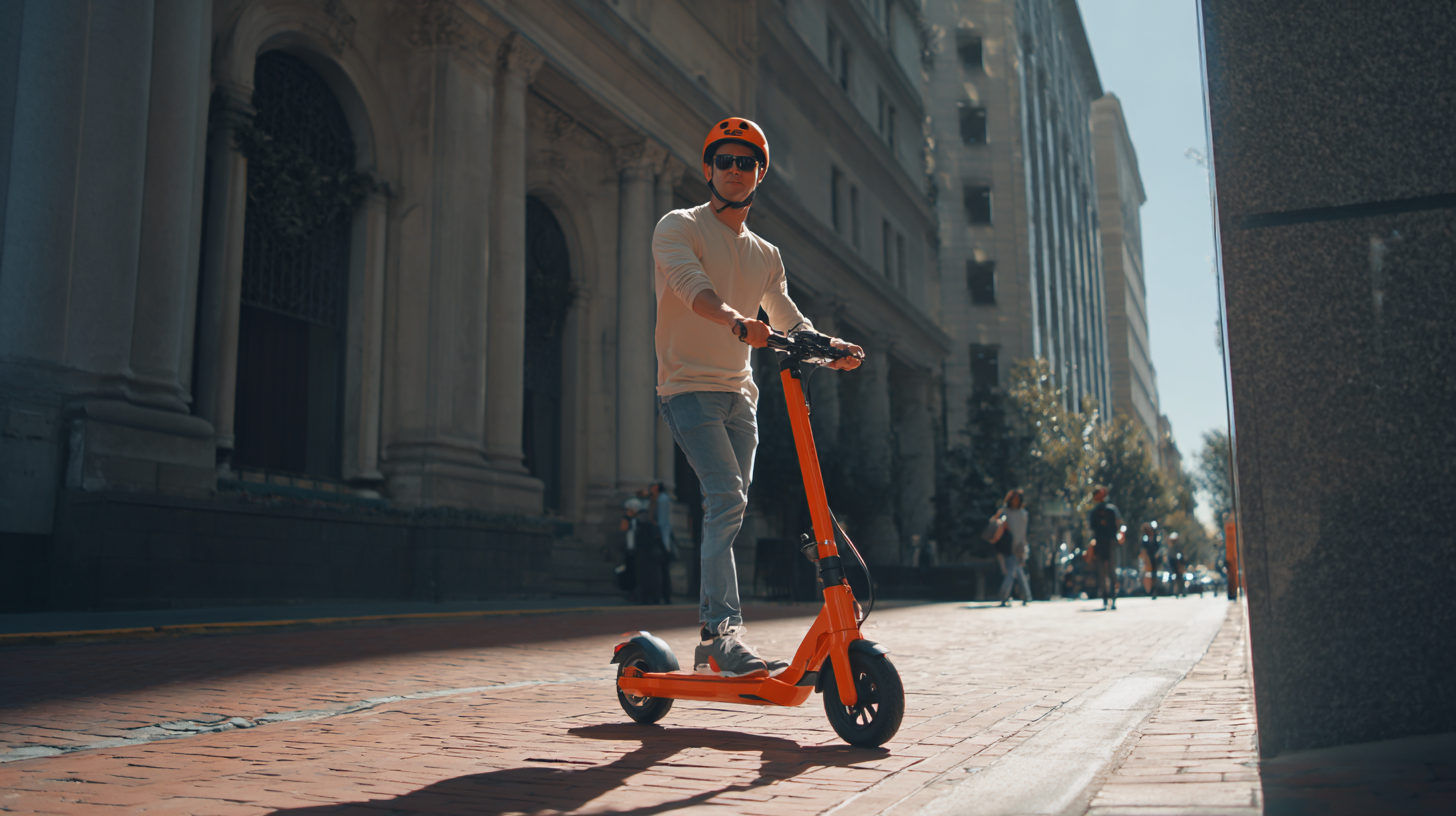
Public-private partnerships (PPPs) are crucial in accelerating this shift towards sustainable transport. These collaborations can drive the deployment of electric scooters and the necessary infrastructure, integrating them into the broader urban mobility framework. Investments in e-scooters align with global trends prioritizing green energy solutions, setting a sustainable transport blueprint that cities like Singapore are keen to follow. As the technology continues to evolve, electric scooters promise to offer a viable, low-impact transportation option that supports urbanization while protecting the environment.
User Demographics and Riding Patterns: Who is Using Electric Scooters?
Electric scooters have emerged as a popular mode of transportation in urban areas, significantly impacting travel patterns among diverse user demographics. A review of user data reveals that young adults aged 18 to 34 constitute the primary demographic of electric scooter riders. This age group is often drawn to the convenience and affordability that scooters provide, particularly for short commutes and last-mile connectivity. Additionally, students in college towns frequently utilize electric scooters as a practical alternative to walking or biking, highlighting their appeal in densely populated areas.
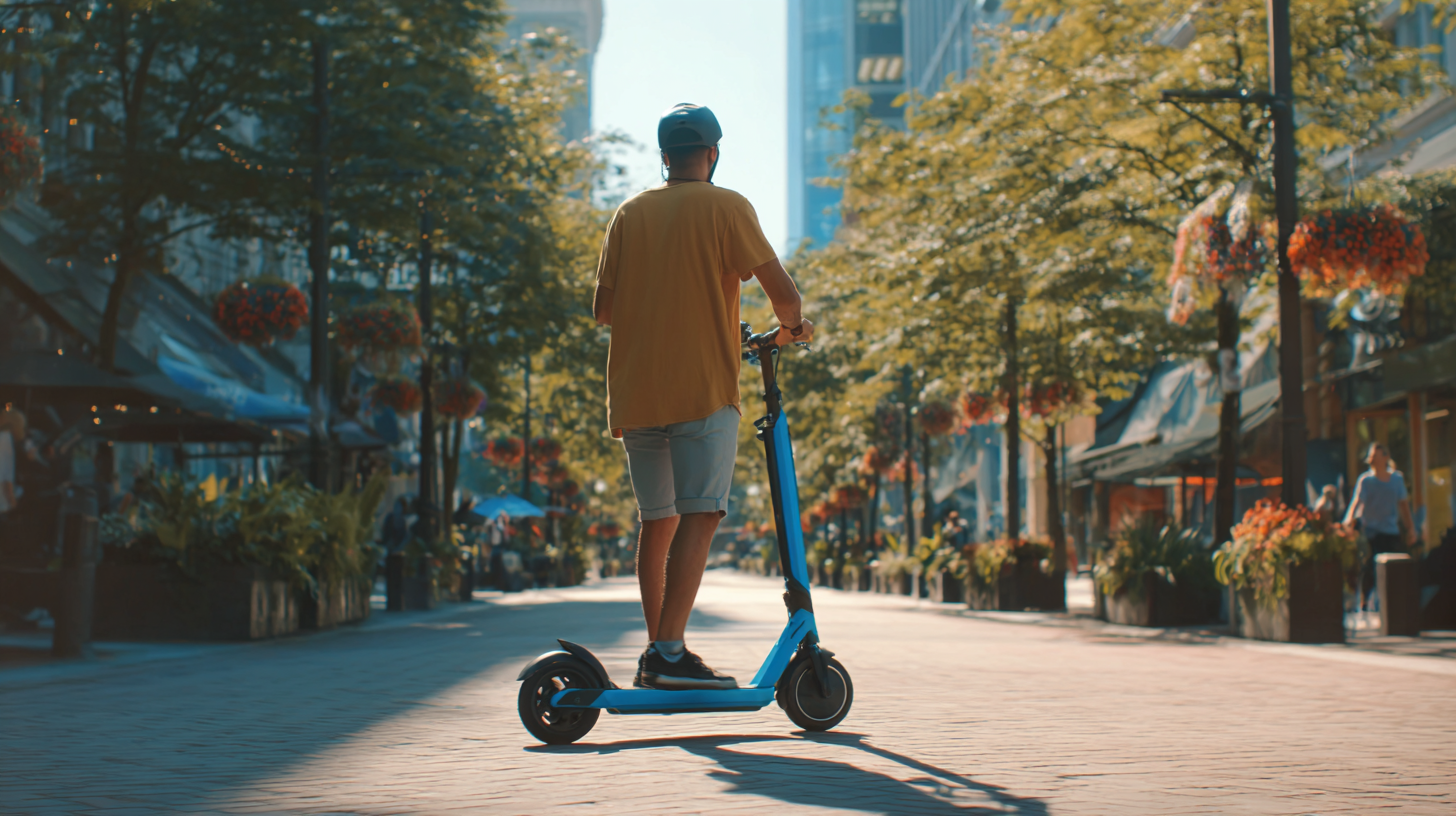
Riding patterns indicate that many users opt for electric scooters during peak commuting hours and for recreational use, suggesting that they serve dual purposes in urban mobility. Furthermore, an increasing number of middle-aged and older adults are beginning to embrace this mode of transport, particularly as cities develop more bike lanes and regulations that enhance safety. Seasonal variations also influence riding habits, with a noticeable uptick in usage during warmer months, reflecting a growing trend toward eco-friendly travel options. Overall, the demographic landscape of electric scooter users is evolving, shaping the future of urban mobility in exciting ways.
Regulatory Challenges and Future Policies for Electric Scooter Integration in Transport Systems
The rise of electric scooters as a popular mode of urban transport has brought to light significant regulatory challenges that cities must address. As more riders take to the streets, local governments face the task of integrating these vehicles safely into existing transport infrastructures. Issues such as sidewalk usage, speed limits, and defined parking zones are crucial for protecting pedestrian safety and ensuring smooth traffic flow. Striking a balance between promoting micro-mobility and maintaining public order requires comprehensive regulations that reflect the unique dynamics of each urban area.
Future policies must also consider the environmental impact and user accessibility of electric scooters. Implementing tiered regulations that account for different neighborhoods and user demographics can facilitate inclusivity, ensuring that all residents benefit from this mode of transport. Additionally, leveraging technology for real-time data collection can inform policymakers about usage patterns and maintenance needs, fostering a more robust and responsive regulatory framework. As cities evolve, so must their approach to integrating electric scooters, paving the way for sustainable urban mobility solutions that cater to the needs of diverse populations.