How to Choose the Best Electric Moped Scooter for You?
Choosing the right Electric Moped Scooter can be a daunting task. With various models and options available, it’s essential to make an informed decision. Industry expert John Smith, a renowned scooter specialist, states, “Finding the perfect Electric Moped Scooter requires understanding your unique needs.” His insight emphasizes the importance of personal requirements in this selection process.
When considering an Electric Moped Scooter, think about your daily commute. Are you looking for speed, range, or comfort? Each feature plays a crucial role in your decision. Many riders overlook important aspects like weight capacity and battery life. It’s beneficial to weigh what matters most before making a purchase.
Ultimately, the journey of selecting an Electric Moped Scooter is personal. You will encounter different brands and specs. Test rides can reveal what you truly desire in a scooter. Reflecting on your experiences with each model will guide you toward the perfect fit. Don’t rush; take the time to explore every option and make a thoughtful choice.
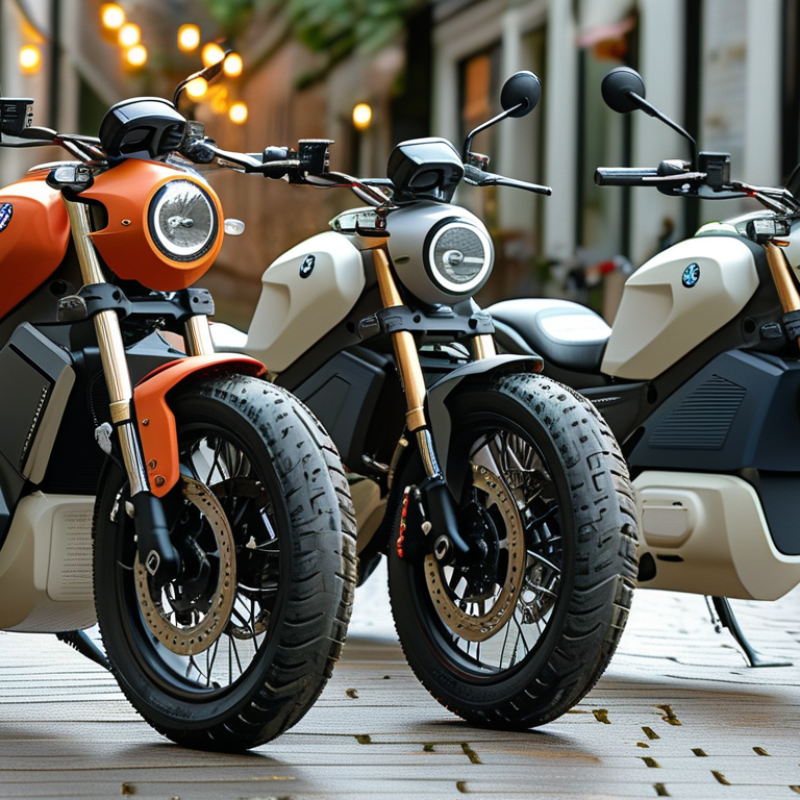
Factors to Consider When Choosing an Electric Moped Scooter
When choosing an electric moped scooter, several factors come into play. First, consider the range. How far do you need to travel? Look for models that provide adequate mileage for your daily commutes. A scooter with a range of at least 30 miles is a good choice for most urban environments.
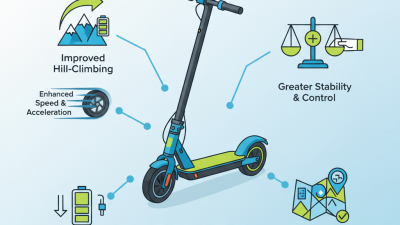
Next, think about the scooter's weight and size. A lighter model is easier to maneuver and transport. However, stability is key for safety. Some users might find smaller scooters uncomfortable for longer rides. Your height and body type can influence your comfort level as well.
Battery life is another critical aspect. Check the charging time and battery lifespan. A quick charge can be convenient for busy schedules. Additionally, maintenance costs should not be overlooked. Some scooters might seem affordable initially but have high upkeep costs. Examine user reviews for insights on reliability and performance over time. Balancing these elements can lead to a more informed, satisfying purchase.
Understanding Different Types of Electric Moped Scooters
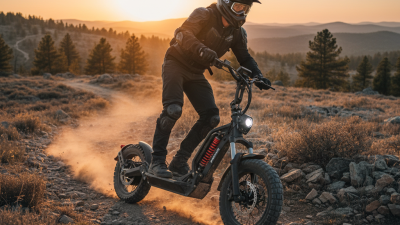
When choosing an electric moped scooter, understanding the different types is crucial. There are two main categories: low-speed and high-speed scooters. Low-speed models are ideal for short urban commutes. They typically have limited power and speed, making them suitable for city streets. High-speed scooters, on the other hand, offer more versatility. They can be used for longer trips and can handle various terrains.
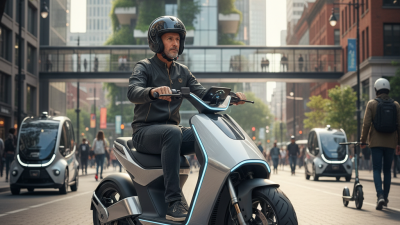
Consider the usage scenario when selecting a scooter. If you live in a congested area, a low-speed model may be preferable. They are generally lighter and easier to maneuver. However, if you frequently travel longer distances, a high-speed scooter may be a better investment. Think about your lifestyle and commuting needs.
Battery life is another key factor. Some scooters may have impressive speed but lack in battery longevity. This could lead to frustration during longer rides. Look for models that offer a balance between speed and battery efficiency. Also, research the weight capacity. Overloading a scooter can lead to performance issues. Understanding these details will help you make a more informed choice.
Choosing the Right Electric Moped Scooter
This chart illustrates the essential specifications of popular electric moped scooters, including their range, top speed, battery lifetime, weight, and price. Understanding these metrics can help you make an informed decision when choosing the best electric moped scooter for your needs.
Evaluating Battery Life and Charging Options
When choosing an electric moped scooter, battery life and charging options are crucial factors. A recent industry report indicates that most electric scooters have a range of 20 to 40 miles on a full charge. However, this can vary based on rider weight, terrain, and riding style. It's essential to consider how far you plan to travel daily. Scooters with longer ranges often come with larger batteries, which can increase the overall weight.
Charging options also play a significant role in usability. Most models take about 4 to 8 hours for a full charge. However, some advanced scooters offer fast charging capabilities, allowing you to fully charge in about 2 hours. Look for models with removable batteries, making it easier to charge them separately. A study found that 65% of users prefer scooters with a removable battery for convenience.
Pay attention to battery management systems too. A well-designed system can prolong battery lifespan and enhance safety. Battery degradation is common, and some scooters lose 20% of their capacity after just two years. Regular maintenance and appropriate charging practices can help mitigate this issue. Evaluating these aspects ensures that your electric scooter meets your needs effectively.
Analyzing Speed and Performance Specifications
When choosing an electric moped scooter, speed and performance are crucial factors. Speed is typically measured in miles per hour (mph). Many electric scooters can reach speeds between 15 to 30 mph. A model capable of 20 mph is ideal for urban commutes. According to the International Council on Clean Transportation, faster models may enhance safety on busy streets.
Acceleration is another vital consideration. The time it takes for a scooter to go from 0 to 20 mph can vary. Some scooters achieve this in just 6 seconds. This rapid acceleration can be beneficial for navigating through traffic. However, it can also pose risks for inexperienced riders. Proper training can mitigate these dangers.
Battery life plays a significant role in performance. Many scooters offer ranges from 20 to 60 miles on a single charge. A longer range is advantageous for those commuting long distances. However, a higher capacity battery can add weight and cost. Riders should balance speed, range, and weight when making a decision. This analysis can illuminate the right choice for your personal needs.
How to Choose the Best Electric Moped Scooter for You? - Analyzing Speed and Performance Specifications
| Model |
Top Speed (mph) |
Range (miles) |
Motor Power (W) |
Battery Capacity (Ah) |
| Model A |
28 |
40 |
500 |
20 |
| Model B |
30 |
50 |
750 |
25 |
| Model C |
25 |
30 |
400 |
15 |
| Model D |
35 |
60 |
1000 |
30 |
| Model E |
22 |
35 |
600 |
18 |
Assessing Weight, Size, and Portability Features
When choosing an electric moped scooter, weight, size, and portability are critical factors. According to a report by the International Transport Forum, lighter scooters can greatly enhance maneuverability, especially in urban settings. Typically, models weighing around 50 pounds or less are easier to handle and transport. This weight consideration becomes crucial if you need to lift your scooter into a car trunk or navigate public transport.
Size is another essential aspect. The ideal electric moped scooter should fit your lifestyle and storage situation. Compact models can easily fit in small spaces, making them practical for city dwellers. Measurements matter. Look for scooters where the dimensions allow for a comfortable riding position without compromising stability. Research shows that scooters with a seat height between 30 to 34 inches are optimal for most riders.
**Tip:** Consider how often you will ride and where you will store your scooter. If you travel frequently, a foldable model could be beneficial.
Portability features also include battery weight and placement. A centralized, lightweight battery typically enhances balance and ease of transport. Inadequately designed scooters can lead to handle difficulties and create safety concerns. Exploring user reviews can provide insights into how well a scooter performs in real-life situations. Safety cannot be overstated. Always ensure that your choice meets your commuting needs and expectations.