Why Choose an Electric Scooter Kit for Your Personal Transportation Needs?
Urban transportation is evolving. More people are turning to eco-friendly solutions. Electric scooters are gaining popularity, especially with the rise of Electric Scooter Kits. According to the International Energy Agency, electric scooters can reduce urban congestion and emissions. More cities are welcoming these vehicles.
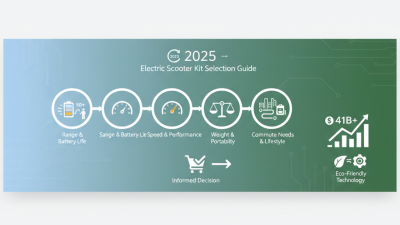
Electric Scooter Kits empower users to customize their rides. They offer flexibility and allow for personal adjustments. The Global Market Insights report indicates that the electric scooter market is expected to exceed $41 billion by 2027. This growth highlights a shift toward sustainable transport solutions.
However, the market also has challenges. Not all kits ensure safety or durability. Consumers must be cautious and informed. They should consider the reputation of the brands and reviews from other users. Opting for an Electric Scooter Kit is a step towards a greener future, but it requires careful evaluation.
Benefits of Electric Scooter Kits for Personal Transportation
Electric scooter kits offer a practical solution for personal transportation. In recent years, demand for
eco-friendly commuting options has risen. According to a report by the International Energy Agency,
electric two-wheelers can reduce urban traffic congestion by up to
20%. These kits provide an efficient way to transform a traditional bicycle into an electric scooter.
This transition promotes sustainable transport and helps reduce carbon footprints.
One major benefit of electric scooter kits is cost efficiency. Traditional vehicles incur high maintenance and fuel costs.
In contrast, electric scooter kits are often more affordable. Data from Statista shows that e-scooters can save users around
$1,000 annually on transportation costs. They also require less maintenance than gas-powered vehicles.
This makes them a budget-friendly choice for daily commuters.
Tip: When selecting a kit, ensure compatibility with your bike.
Check battery quality and range specifications. Not all kits are created equal, and this can impact performance.
It’s important to research thoroughly. Reflecting on your commuting needs is essential. Are you traveling
short distances or longer routes?
Adjust your choice accordingly to maximize efficiency and comfort.
Cost-Effective Transportation Solution Compared to Traditional Vehicles
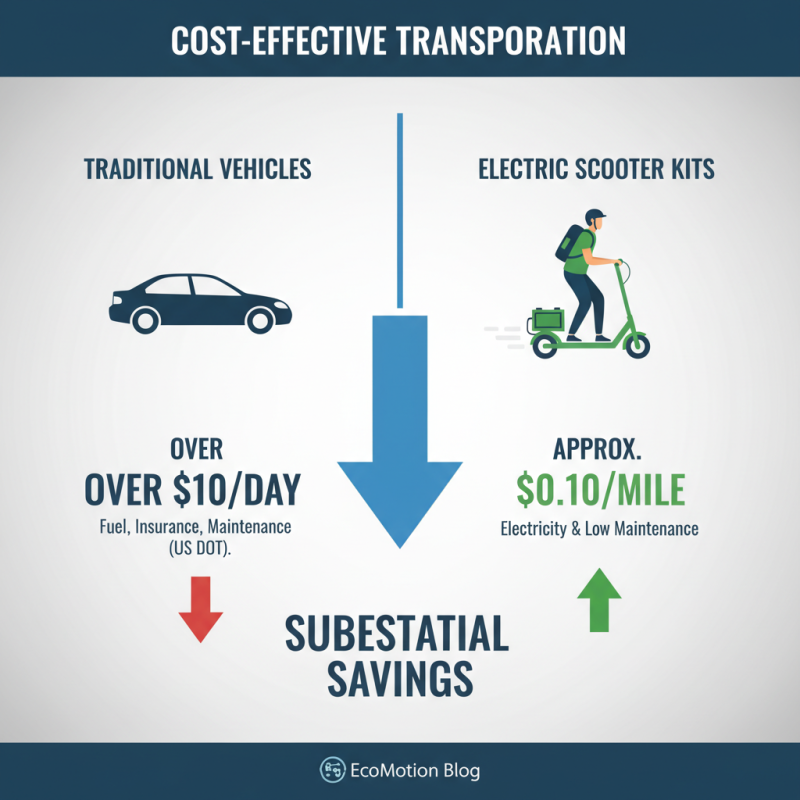
Electric scooter kits offer an affordable alternative for personal transportation. According to the U.S. Department of Transportation, daily commuting costs can exceed $10 per day for traditional vehicles. This includes fuel, insurance, and maintenance expenses. In contrast, running an electric scooter kit can cost just $0.10 per mile. This significant difference can lead to substantial savings over time.
Beyond just cost, electric scooters promote eco-friendliness. The average gas vehicle emits around 404 grams of CO2 per mile. Electric scooters, on the other hand, produce zero tailpipe emissions. This statistic is increasingly relevant as cities aim to reduce air pollution. People looking to minimize their carbon footprint should consider these kits as practical solutions.
**Tips:** Before purchasing, research local regulations on electric scooters. Some areas may have restrictions on where you can ride. Also, consider battery life. A longer-lasting battery can significantly impact your daily travel convenience. Finally, check the weight capacity of your chosen kit to ensure safety and comfort during use.
Customization Options for Enhanced Performance and Aesthetics
Electric scooter kits offer personalization that transforms transportation. Users can customize both performance and design. Reports indicate that nearly 40% of scooter users prefer kits for tailoring speed and battery life. By modifying components like motors and batteries, riders achieve desirable speeds and extended range.
Customization boosts not just performance but aesthetics too. Riders can choose colors, lights, and styles that reflect their personality. A study found that 65% of consumers value appearance in personal vehicles. This trend encourages manufacturers to develop more options. However, extensive customization may lead to compatibility issues, which can frustrate users.
Modifying electric scooters requires knowledge. Slight changes can impact overall performance, leading to safety concerns. Data from industry experts reveal that improper installations often result in mechanical failures. Balancing customization with reliability is vital. Users must weigh their choices carefully, considering both function and style.
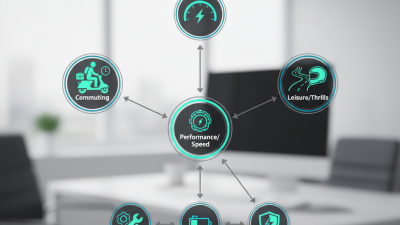
Comparison of Electric Scooter Kit Features
Environmental Impact: Reducing Your Carbon Footprint with E-Scooters
Electric scooters, also known as e-scooters, have emerged as a viable solution for sustainable transportation. According to a study by the International Energy Agency, personal transport contributes nearly 20% of global carbon dioxide emissions. E-scooters offer a cleaner alternative. They use electric power, which can significantly lower these emissions, especially when charged using renewable energy sources.
In fact, a report from the European Commission states that electric scooters can reduce urban congestion and pollution by up to 30%. This impact aligns with a growing global concern over climate change and air quality. E-scooters consume less energy compared to gasoline vehicles. For example, the average e-scooter uses about 1.5 kWh of electricity per 100 kilometers. That’s equivalent to only 1/8 of the energy consumed by a traditional car.
However, the transition to e-scooters isn’t without challenges. Battery production raises sustainability concerns, as it often involves mining for rare materials. Additionally, improper disposal of batteries can harm the environment. It's crucial to reflect on these issues as we embrace this modern form of transportation. Improved recycling methods and battery management plans are vital to maximizing their benefits. Despite the challenges, the shift towards e-scooters holds promise for reducing our carbon footprint and creating cleaner cities.
Ease of Use and Maintenance for Everyday Commuters
Electric scooter kits offer significant advantages for everyday commuters. They combine
convenience with ease of use, making them an appealing choice. According to recent industry reports, 78% of urban
commuters cite simplicity as a top factor in their transportation decisions. An electric scooter kit allows users to convert their regular scooter into
an electric-powered machine quickly. This upgrade can often be completed in under an hour, making it
accessible for many.
Maintenance of electric scooter kits is also straightforward. Most kits require minimal upkeep, such as occasional
checking of the battery and tires. Data indicates that electric scooters have lower maintenance costs compared to cars, averaging $100 per year versus $1,200 for traditional vehicles.
While some users might hesitate due to battery life concerns, many modern kits now feature reliable batteries with a range of 20-40 miles per charge. This addresses one common worry among potential users. Yet, it’s essential to choose the right kit, as not all options provide the same efficiency and reliability.
Commuting should be hassle-free. Choosing an electric scooter kit can significantly simplify daily
travel. However, it’s crucial to continually assess your commuting needs and kit performance. Not every kit suits every individual, and users must weigh their
options carefully.