What is a 3 Wheel Electric Scooter and How Does it Work?
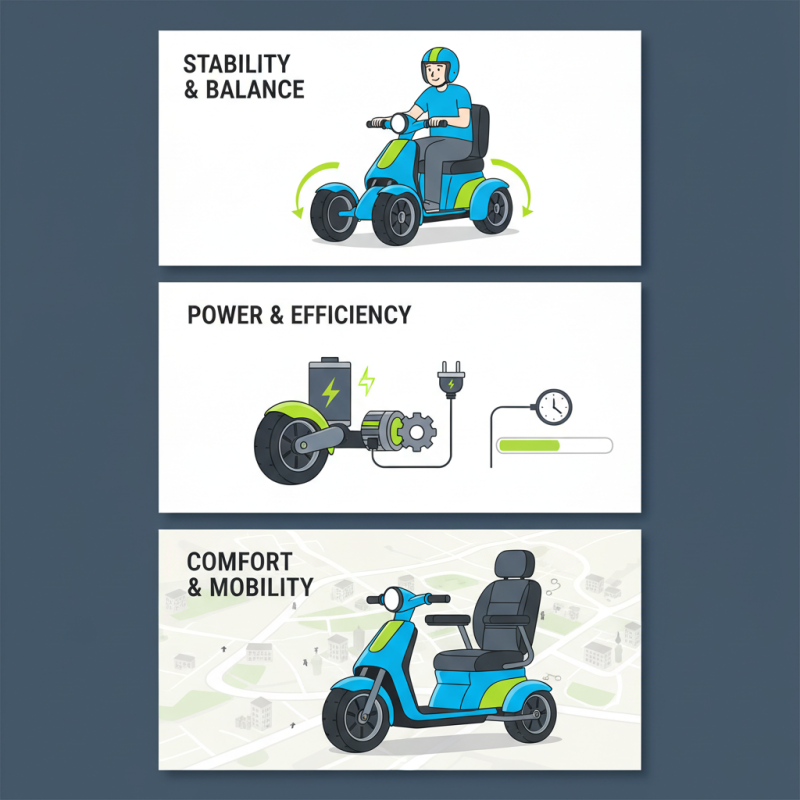
The 3 Wheel Electric Scooter is a popular choice for many urban commuters. It combines convenience and efficiency, making travel easier. With three wheels, this scooter offers stability and balance. Riders can navigate crowded streets without difficulty.
Understanding how this electric scooter works is essential. It operates on a rechargeable battery, enabling longer rides without the need for constant charging. The electric motor provides smooth acceleration. However, charging time can be a concern for some users.
The scooter’s design prioritizes user comfort. Features often include a spacious seat and adjustable handlebars. Yet, it may not be ideal for everyone; some people might prefer traditional two-wheeled options. Overall, the 3 Wheel Electric Scooter represents a modern solution for urban mobility challenges.
What Is a 3 Wheel Electric Scooter?
A 3 wheel electric scooter is a convenient mode of transport. It typically features two wheels in the back and one in the front. This design provides extra stability, making it easier for users to ride. Many people prefer this variation for its balance over traditional two-wheel scooters. Riders can enjoy a smooth journey, especially on uneven surfaces.
The scooter is powered by an electric motor. This means it runs on batteries, which need regular charging. Often, the range on a single charge can vary greatly. Some can travel a few miles, while others offer longer distances. The ease of use attracts a wide variety of users. Many individuals find it helpful for running errands or simply moving around town.
Using a 3 wheel electric scooter has its learning curve. Understanding how to navigate turns and obstacles is essential. It can feel challenging at first, especially for new riders. However, after some practice, most users feel more confident. Still, safety gear is important. A helmet, for instance, can protect in case of a fall. This aspect highlights that while enjoyable, riding should be approached with caution.
Electric Scooter Battery Capacity and Range
Key Features of 3 Wheel Electric Scooters
Three wheel electric scooters have gained popularity due to their unique design and functionality. One of their key features is stability. Their three-wheel design offers better balance compared to two-wheel counterparts. This makes them suitable for a wider range of riders, especially seniors or those with mobility challenges. According to recent industry reports, the global market for electric scooters is expected to grow by 25% annually. This reflects a rising demand for accessible personal transportation.
Another notable feature is the ample storage space. Many models incorporate baskets or compartments, allowing users to carry groceries or personal items easily. This practical design enhances the scooter's utility in everyday life. Furthermore, battery life is crucial. Many three wheel scooters can travel up to 30 miles on a single charge. However, some models still struggle with battery longevity, prompting riders to rethink their range and charging habits.
Comfort is also a significant consideration. Many scooters come with adjustable seats and handlebars. But some users report discomfort during longer rides. This shows there is room for improvement in ergonomic design. As the market evolves, manufacturers must address these concerns to meet rider expectations. Emphasizing stability, storage, and comfort can help shape the future of three wheel electric scooters.
What is a 3 Wheel Electric Scooter and How Does it Work? - Key Features of 3 Wheel Electric Scooters
| Feature |
Description |
Benefits |
| Stability |
Three wheels provide better stability compared to two-wheeled scooters. |
Increased safety, especially for new riders and those with balance challenges. |
| Easier Maneuverability |
Design allows for easier turning and navigation in tight spaces. |
Convenient for urban environments and crowded areas. |
| Comfortable Seating |
Typically equipped with a larger, more comfortable seat. |
Ideal for longer rides, reducing fatigue. |
| Electric Motor |
Powered by an electric motor, which provides smooth acceleration. |
Environmentally friendly and quieter than gas-powered vehicles. |
| Regenerative Braking |
System that recovers energy during braking to recharge the battery. |
Improves range and extends battery life. |
| Storage Space |
Often has compartments for carrying personal items. |
Adds convenience for shopping and commutes. |
| LED Lights |
Equipped with front and rear LED lights for visibility. |
Enhances safety during night rides. |
How Does a 3 Wheel Electric Scooter Work?
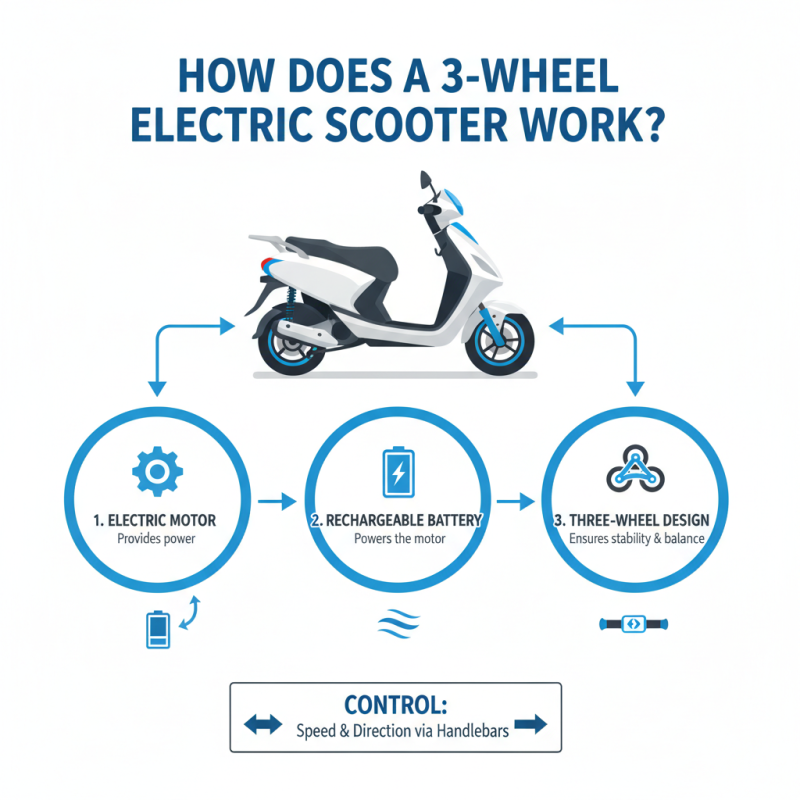
A 3 wheel electric scooter is designed for mobility and ease of use. It operates using an electric motor, which is powered by a rechargeable battery. The three-wheel design offers stability and balance, making it suitable for various terrains. Riders can control the speed and direction using handlebars.
When engaging the throttle, the motor kicks in, propelling the scooter forward. Braking systems are often electric and easy to use. This scooter can be used for short commutes or leisurely rides. Some models include features like headlights and turn signals for better visibility.
**Tip:** Before riding, check the battery level. A low battery can lead to unexpected stops.
While riding, pay attention to your surroundings. Obstacles can appear suddenly. Take it slow on unfamiliar paths.
**Tip:** Wear a helmet and other protective gear. Safety should always be a priority. Proper maintenance is essential for the longevity of the scooter. Regularly inspect tires, brakes, and the battery. This can save you trouble in the long run.
Benefits of Using a 3 Wheel Electric Scooter
3 wheel electric scooters are becoming increasingly popular for various reasons. One of the main benefits is their stability. With three wheels, these scooters provide a strong foundation, making them ideal for beginners. They are easier to balance than traditional two-wheeled models. This can enhance confidence for new riders.
Another benefit is their compact design. Many people can navigate crowded areas with ease. Electric scooters are also environmentally friendly. They produce zero emissions, making them a great choice for eco-conscious individuals. Users can save on gas and reduce their carbon footprint significantly.
Tips: Always wear a helmet to stay safe. Check the battery before heading out. It's crucial to ensure it is fully charged. Also, practice in a safe area before venturing into traffic. Learning to maneuver can take time. Don't rush the process; enjoy the learning experience.
Safety Considerations for Riding 3 Wheel Electric Scooters
Riding a 3 wheel electric scooter can be fun, but safety should always come first. The National Highway Traffic Safety Administration (NHTSA) reported that injuries related to electric scooters have been rising. It’s essential for riders to be aware of their surroundings. Always wear a helmet to protect your head, as head injuries can be severe. In fact, 25% of electric scooter injuries involve the head.
Stability is a key advantage of three-wheel scooters. However, they can still tip over if not handled properly. Maintaining a low center of gravity while riding helps. Keep both hands on the handlebars for better control. Also, be mindful of road conditions. Wet or uneven surfaces can greatly increase the risk of accidents.
Tips: Always check the battery life before heading out. A low battery can suddenly stop your ride. Also, practice maneuvering in a safe area. Learning to handle turns and stop quickly is crucial. Experienced riders often overlook these basics, risking accidents. Riding at safe speeds and respecting traffic rules cannot be overemphasized. Electric scooters should share the road safely, just like bicycles.