2026 Best 4 Wheel Electric Scooter Reviews and Buying Guide?
In recent years, the demand for 4 Wheel Electric Scooters has surged. According to a market research report by Allied Market Research, the global electric scooter market is projected to reach $41.98 billion by 2026, driven by rising urbanization and environmental awareness. Industry expert Dr. Emily Chen states, "The 4 Wheel Electric Scooter offers stability and convenience, appealing to a diverse range of users."
These scooters cater to those seeking an efficient transportation solution. They are particularly beneficial for seniors and individuals with mobility challenges. However, not all models are created equal. Some may lack essential features or durability. It’s crucial to consider the scooter's design, battery life, and user reviews.
Many users struggle with understanding specifications. The intricacies of wheel size, weight capacity, and speed add to the confusion. Choosing the wrong model can lead to frustration. Therefore, our comprehensive reviews aim to guide you through the selection process. By focusing on features and user experiences, you can find the perfect 4 Wheel Electric Scooter tailored to your needs.
2026 Electric Scooter Market Overview: Key Trends and Growth Drivers
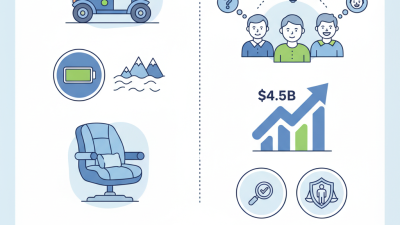
The electric scooter market is evolving rapidly, driven by advancements in technology and changing consumer preferences. According to a recent market analysis, the global electric scooter market is expected to reach USD 41.98 billion by 2026, growing at a compound annual growth rate (CAGR) of 7.9% from 2021 to 2026. This growth is fueled by a rising demand for eco-friendly transportation alternatives. Urban areas are increasingly adopting electric scooters for last-mile connectivity, reducing traffic congestion, and minimizing carbon footprints.
Key trends in 2026 include the rise of four-wheel electric scooters. These models provide greater stability and comfort and cater to a wider demographic, including those with mobility challenges. A 2023 report indicates that about 15% of new electric scooter owners preferred four-wheel designs for their enhanced safety features. However, there is still potential for improvement in battery life and charging times, which remain critical pain points for consumers. Addressing these issues could further increase market penetration and user satisfaction.
Moreover, regulatory challenges persist across many regions. Countries are still adapting to the rapid adoption of electric scooters, leading to inconsistent guidelines. Navigating such complexities can deter some consumers from making a purchase. While the industry holds promise, continuous innovation and responsive policies will be crucial in shaping its future.
2026 Best 4 Wheel Electric Scooter Reviews and Buying Guide
| Model |
Max Speed (mph) |
Range (miles) |
Weight Capacity (lbs) |
Battery Type |
Price ($) |
| Model A |
15 |
30 |
300 |
Lithium-ion |
799 |
| Model B |
12 |
25 |
250 |
Lead-acid |
599 |
| Model C |
18 |
40 |
350 |
Lithium-ion |
999 |
| Model D |
14 |
28 |
280 |
Lithium-ion |
799 |
| Model E |
16 |
35 |
320 |
Lithium-ion |
859 |
Top 4 Wheel Electric Scooters: Performance Metrics and Specifications
When evaluating the top 4 wheel electric scooters, performance metrics play a crucial role. Consider the maximum speed. Most scooters reach around 10 to 15 mph. This range is suitable for urban commuting. However, users may find it limiting on longer journeys. Battery life also varies significantly, often stretching from 15 to 30 miles per charge. A short range can be frustrating. Always check the real-world testing of claimed numbers.
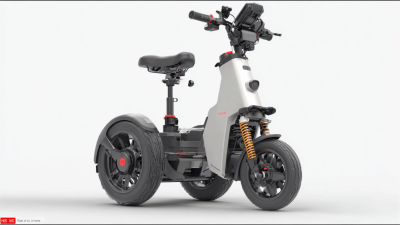
Weight capacity is another essential specification. Many models support up to 300 pounds, ensuring stability and comfort. Yet, some may struggle with heavier loads. Wheel size impacts both ride quality and maneuverability. Larger wheels provide better shock absorption, which is vital for city terrains. Look for scooters with at least 8-inch wheels for smooth rides.
After researching various models, safety features cannot be overlooked. Lights, reflectors, and brake systems are crucial for daily use. Users sometimes prioritize speed over safety, which can lead to accidents. It's wise to understand these risks. Ultimately, choosing the right scooter requires balancing speed, range, and safety features. Each user’s needs will vary, making thorough research essential.
2026 Best 4 Wheel Electric Scooters Performance Comparison
This chart compares the key performance metrics of the best 4 wheel electric scooters for 2026, including weight, top speed, range, and battery life. Each scooter has its own strengths, making it suitable for various user needs.
User-Centric Features: Comfort, Safety, and Usability Rating
When choosing a four-wheel electric scooter, user-centric features are essential. Comfort is paramount. Riders should find seating supportive. A well-padded seat can reduce fatigue during long rides. The height of the seat matters too. It should accommodate varied users easily.
Safety comes next. A reliable braking system is crucial. Look for scooters that offer smooth, responsive brakes. Stability also plays a big role. Four wheels offer better balance than three. But, watch out for scooters that feel too heavy to maneuver. They can be dangerous in tight spaces or on inclines.
Usability is about ease of use and accessibility. Control panels must be intuitive. Users should not struggle to operate the scooter. A good model should also have features like a clear display and easy-to-fill batteries. Consider how the scooter handles uneven terrain. This is often an overlooked aspect but can deeply affect the riding experience. Reflecting on these areas can lead to wiser choices when purchasing an electric scooter.
Price Comparison and Value Assessment of Leading Models
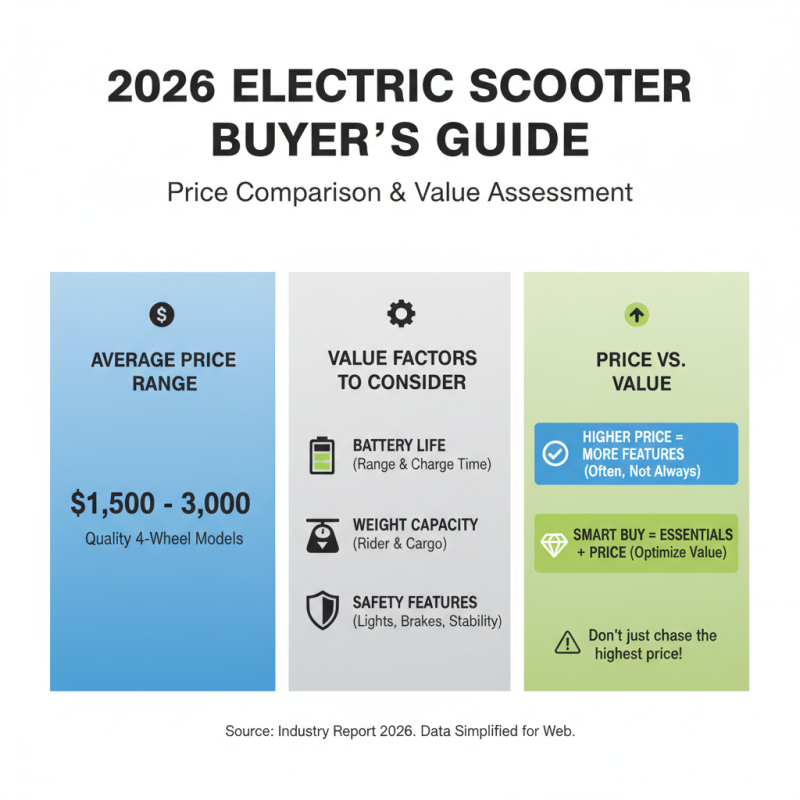
When considering the best four-wheel electric scooters of 2026, assessing their price and value is crucial. A recent industry report highlights that the average price of quality models ranges from $1,500 to $3,000. While higher-priced scooters often offer better features, not all expensive models deliver exceptional value. Look for essential features like battery life, weight capacity, and safety features when evaluating these prices.
Tips: Always consider test-riding a scooter before purchase. Comfort and maneuverability vary significantly among models.
Some budget-friendly options provide comparable performance. For example, certain scooters under $1,500 still offer reliable batteries and decent speed. It's essential to weigh the trade-offs between cost and features. Investing in a slightly more expensive model might ensure longevity and safety.
Consider potential repairs or maintenance costs. Lower-priced models might be tempting, yet they can incur higher long-term expenses. Always analyze warranty options and customer reviews to assess reliability before finalizing your decision.
Future Innovations: Technology Trends in Electric Scooter Design
The electric scooter market is rapidly evolving. Innovations are reshaping designs and improving user experiences. One significant advancement is battery technology. Today's scooters offer longer ranges thanks to high-capacity lithium-ion batteries. They also charge faster, helping users save precious time.
Another trend is the integration of smart features. Many electric scooters now come equipped with GPS, app connectivity, and anti-theft systems. These features enhance user safety and convenience. For instance, GPS helps track the scooter’s location, preventing theft or loss. Smart apps can update users on battery life and route efficiency.
Sustainability is becoming a key focus. Manufacturers are exploring eco-friendly materials. Some companies are even looking at solar-powered options. However, challenges remain. The balance between sustainability and affordability needs careful consideration. Users want effective solutions without breaking the bank. The future of electric scooters will depend on addressing these challenges.